
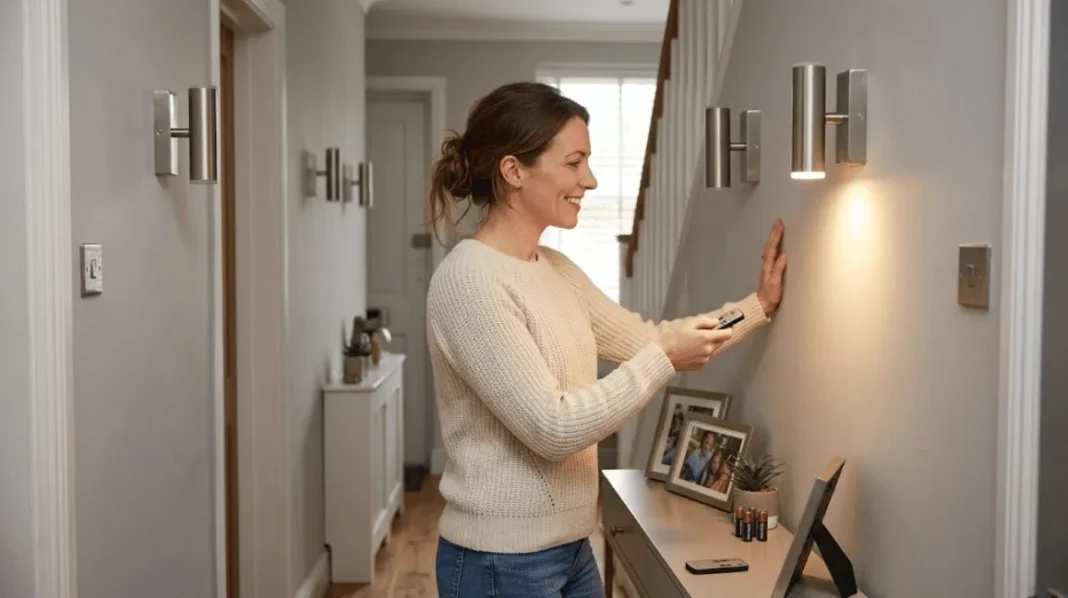
Battery operated wall lights add useful lighting without chasing cables through plaster or relying on a nearby socket. They suit renters, awkward corners, bedside positions, hallways, artwork, and spaces where fixed wiring would be inconvenient. The right choice depends on power type, brightness, controls, mounting method, and the room you will use it in. More from us: Does a dehumidifier cool a room.
| Buying point | What to check | Why it matters |
|---|---|---|
| Power | Replaceable batteries or USB rechargeable pack | Changes running cost and charging routine |
| Brightness | Lumens and dimming levels | Helps match task, accent, or night lighting |
| Colour | Warm, neutral, or adjustable white | Affects comfort and how a room feels |
| Control | Touch, remote, timer, or motion sensor | Determines everyday convenience |
| Mounting | Screws, adhesive, or magnetic plate | Matters for renters and frequent charging |
| Location | Indoor rating or suitable IP rating | Important for bathrooms and outdoor areas |
| Price | Budget, mid-range, or premium | Helps compare features rather than finish alone |
Key takeaways
Rechargeable designs suit regular indoor use, while motion sensors fit halls and stairs. Current UK prices start near £10 and rise sharply for premium decorative fittings. Check mounting, charging access, brightness, and location ratings before choosing by appearance.
Cordless wall lighting is most useful when you need light without rewiring. Rechargeable models suit frequent indoor use, while motion-sensor designs work well in halls and stairs. Compare brightness, charging access, mounting, and moisture protection before buying. For wet or outdoor locations, choose a fitting specifically rated for that environment.
Are battery operated wall lights worth it for a UK home?
For many homes, the main benefit is placement freedom rather than maximum brightness. You can add light beside a bed or along a hallway without opening walls. They also make sense in rented homes where permanent electrical work may be restricted.
These fittings work well as task, accent, or convenience lighting. They are less suitable as the only light source in a large room. A mains fitting usually makes more sense for strong, continuous general lighting.
Cordless lighting types compared
| Type | Good for | Main advantages | Main trade-offs |
|---|---|---|---|
| Replaceable-battery fitting | Cupboards, occasional use, simple night lighting | No charging cable, easy battery swap | Ongoing battery cost and waste |
| USB-rechargeable fitting | Bedrooms, living rooms, reading corners | Lower routine battery waste, easy top-up | Must be removed or reached for charging |
| Motion-sensor fitting | Hallways, stairs, entrances | Switches on only when needed | Sensor range and timing vary by model |
| Rechargeable picture light | Artwork, shelves, framed prints | Focused decorative light without wiring | Narrower purpose than a general sconce |
| Outdoor cordless fitting | Doors, paths, sheds, patios | Flexible placement outside | Requires a suitable weather rating |
For most indoor decorative uses, a USB-rechargeable fitting with dimming is the practical starting point. Choose motion sensing when automatic night-time light matters more than styling. Choose replaceable batteries when use is occasional and charging access would be awkward.
What do cordless wall fittings cost in the UK?
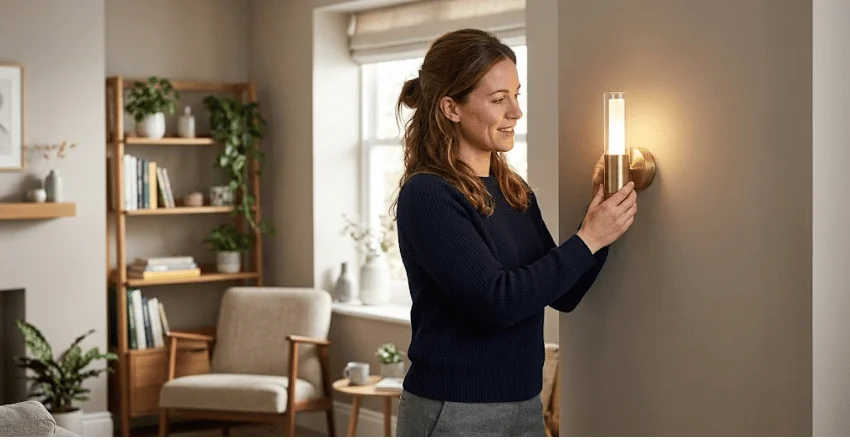
Listings checked on 20 September 2026 show a broad spread, so price alone does not define quality. Budget options can start near £10, while many rechargeable designs sit around £20 to £55. Premium decorative and picture fittings can reach roughly £70 to £100.
For example, Argos lists battery-powered options in the entry and mid-range. ValueLights also lists several rechargeable designs below £50. John Lewis carries premium rechargeable fittings at higher prices.
Outdoor prices vary by output, sensor features, and weather protection. Screwfix currently lists rechargeable outdoor examples from below £30. Treat these figures as a market snapshot because ranges and offers change frequently.
Seven checks before you buy
Price is only one part of a good purchase. The most useful model will fit your room, routine, and charging habits. Check these points before choosing a finish or colour.
- Brightness: Look for a stated lumen output when you need useful task lighting.
- Dimming: Multiple levels help one fitting handle reading and softer evening light.
- Colour temperature: Warm white suits relaxing spaces, while neutral light can suit tasks.
- Battery access: Magnetic removable lamps are easier to charge than fixed bodies.
- Controls: Decide whether touch, remote, timer, or motion sensing fits your routine.
- Mounting: Check whether the supplied plate needs screws, adhesive, or both.
- Warranty: Read the retailer and manufacturer terms before buying.
Avoid comparing wattage alone because LED efficiency varies between products. Lumens give a clearer indication of visible light output. Adjustable brightness also matters because full power can drain a battery faster.
Where cordless wall lighting works well
Bedrooms are a natural fit because bedside lighting often needs focused rather than room-wide output. A rechargeable sconce can free space on a small bedside table. Pair the lighting plan with Pageify’s furniture planning advice when space is tight.
Home offices can benefit from a small directional fitting above a desk or shelf. It should support the main room lighting, not replace it. Pageify’s small home office ideas offer more layout options for compact work areas.
Hallways and stairs often suit motion-sensor fittings because you only need light for short periods. Place the sensor where normal movement can reliably trigger it. Avoid positions where doors, coats, or furniture can block the sensor.
Living rooms suit cordless accent lighting around shelves, artwork, or reading chairs. Picture fittings can highlight framed art without adding visible cable runs. Dimmable models make it easier to reduce glare during television viewing.
Bathrooms and outdoor areas need extra care
Cordless does not automatically mean safe for damp or exposed locations. Check the manufacturer’s stated location and IP rating before installation. A fitting intended for a dry bedroom may not suit a bathroom or exterior wall.
Current outdoor listings include products marked IP44, which means protection against splashing water from any direction. That rating still does not make every position suitable. Follow the maker’s instructions and relevant UK electrical guidance for the intended location.
If you are planning a bathroom update, surfaces and fittings should work together safely. Pageify’s bathroom floor tiles guide covers another important wet-room decision. Treat lighting, flooring, ventilation, and moisture resistance as separate checks.
Installation without hardwiring
Many rechargeable fittings use a screw plate, adhesive pad, magnetic mount, or a combination. Magnetic designs are convenient because you can detach the lamp to charge it. Screw fixing gives a more secure result on suitable wall materials.
Adhesive mounting can suit rentals, but the surface must be clean and compatible. Paint, wallpaper, texture, heat, and humidity can weaken some adhesive systems. Never mount a heavier fitting where a fall could injure someone or damage valuables.
Before drilling, check for hidden cables and pipes using suitable detection methods. Follow the supplied fixings and wall-type guidance. If mains work is involved, ask someone with the skills and knowledge to complete it safely.
Rechargeable or replaceable batteries?
Rechargeable models usually make sense for lights used daily or several times a week. Charging avoids repeated disposable battery purchases and can simplify ownership. A removable magnetic body also makes charging easier than reaching a fixed USB port.
Replaceable batteries still have a place in cupboards, sheds, emergency positions, or occasional-use areas. They can stay ready without a charging lead nearby. Keep spare cells stored correctly if the light supports an important safety route.
Battery life cannot be judged from capacity alone. Brightness, sensor activity, temperature, battery age, and operating mode all affect runtime. Compare the maker’s stated runtime at the brightness level you expect to use.
Pros and cons at a glance
| Advantages | Trade-offs |
|---|---|
| No hardwiring for genuinely cordless models | Charging or battery replacement becomes routine maintenance |
| Flexible placement in rented or awkward spaces | Output may not replace a wired ceiling light |
| Many designs install quickly | Adhesive mounts do not suit every surface |
| Motion, remote, dimming, and timer controls are available | Higher settings can reduce runtime |
| Useful for task and accent lighting | Damp locations require the correct rating |
Cordless fittings solve placement problems well, but their convenience comes with routine charging or battery replacement. Their value depends on how often you use them and how easily you can recharge them. A fixed fitting can remain the better choice when you need powerful daily lighting.
The mounting method deserves the same attention as brightness and finish. A removable design helps with charging, while secure screw fixing can suit permanent positions. Adhesive systems need compatible surfaces and careful installation to remain dependable.
Verdict: Which type should you choose?
A rechargeable dimmable model is a practical general choice for bedrooms, lounges, and reading corners. A motion-sensor model is more practical for halls, stairs, and short night-time visits. For outdoor use, prioritise the correct weather rating before style, brightness, or price.
If you rent, look for removable mounting and check your tenancy rules before drilling. If you own the property, decide whether a permanent wired fitting would serve the location better. Cordless lighting is most useful where flexibility solves a real placement problem.
Frequently asked questions
Are battery operated wall lights bright enough for reading?
They can be, but brightness varies widely between products. Look for a stated lumen output and an adjustable head for focused reading. Dimming is useful when the same fitting also provides softer evening light.
How long do rechargeable cordless wall fittings last per charge?
No single runtime applies to every model. High brightness and frequent sensor triggers usually reduce the time between charges. Compare the manufacturer’s runtime figures at settings that match your planned use.
Can I use a cordless fitting in a bathroom?
Use only a product the manufacturer approves for the intended bathroom location. Check the stated IP rating and fitting instructions before mounting it. Do not assume battery power removes moisture-related safety concerns.
Do rechargeable wall fittings need an electrician?
Genuinely cordless fittings usually don’t need a mains electrical connection. You still need to mount them safely and follow the manufacturer’s instructions. Any work involving household wiring should be completed by someone competent for that work.
Are replaceable batteries cheaper than rechargeable models?
They can cost less to buy, especially for simple utility lights. Frequent use can increase the ongoing cost of replacement cells. Compare purchase price, expected usage, charging convenience, and replacement costs.
Make the lighting fit the room
Start with the job you need the fitting to do, then choose brightness and controls. Measure the mounting area and make sure charging access will remain practical. This simple order prevents a stylish fitting from becoming inconvenient after installation.
For more room-planning ideas, browse Pageify’s Home Improvement section. It covers practical UK projects across interiors, storage, bathrooms, gardens, and home systems. Use those guides to plan lighting as part of the whole room rather than as an isolated purchase.