
Introduction
In today’s fast-paced digital age, where security and technology intersect more than ever, wireless outdoor security cameras have become rapidly indispensable tools for homeowners, renters, and businesses alike. These high-tech devices do more than just record footage; they act as watchful guardians around the clock, deterring intruders, monitoring property activity, and keeping you connected to your surroundings no matter where you are in the world.
Whether you’re an avid tech enthusiast seeking the latest in smart surveillance or simply someone who wants to enhance your home’s safety, gaining a comprehensive understanding of how these devices work can empower you to make the right investment.
Sure! Here’s a neatly organized table about wireless outdoor security cameras, covering their key features, pros, cons, and ideal use cases:
| Camera Model | Resolution | Power Source | Field of View | Night Vision | Storage Options | Smart Features | Pros | Cons | Best For |
|---|---|---|---|---|---|---|---|---|---|
| Arlo Pro 4 | 2K HDR | Rechargeable Battery | 160° | Color Night Vision | Cloud & Local (with base) | Motion detection, smart alerts | Easy setup, high video quality, no hub required | Requires subscription for advanced features | Smart homes, medium-range security |
| Ring Stick Up Cam | 1080p | Battery / Solar | 130° | Infrared | Cloud only (Ring Protect) | Alexa integration, motion zones | Flexible placement, good app support | No local storage, subscription needed | Amazon Alexa users |
| EufyCam 2C Pro | 2K | Rechargeable Battery | 135° | Infrared | Local (16GB base) | AI detection, activity zones | No monthly fees, strong privacy focus | Limited smart home integration | Privacy-conscious users |
| Blink Outdoor 4 | 1080p | 2 AA Lithium Batteries | 110° | Infrared | Cloud & Local (with Sync Module 2) | Motion alerts, Alexa compatible | Budget-friendly, long battery life | No person detection, limited field of view | Entry-level outdoor monitoring |
| Google Nest Cam (Battery) | 1080p HDR | Rechargeable Battery | 130° | Infrared | Cloud & Local (with Hub) | Person, animal, vehicle detection | Great AI, works well with Google Assistant | Higher price, some features require subscription | Google Home users |
Wireless Outdoor Security Cameras
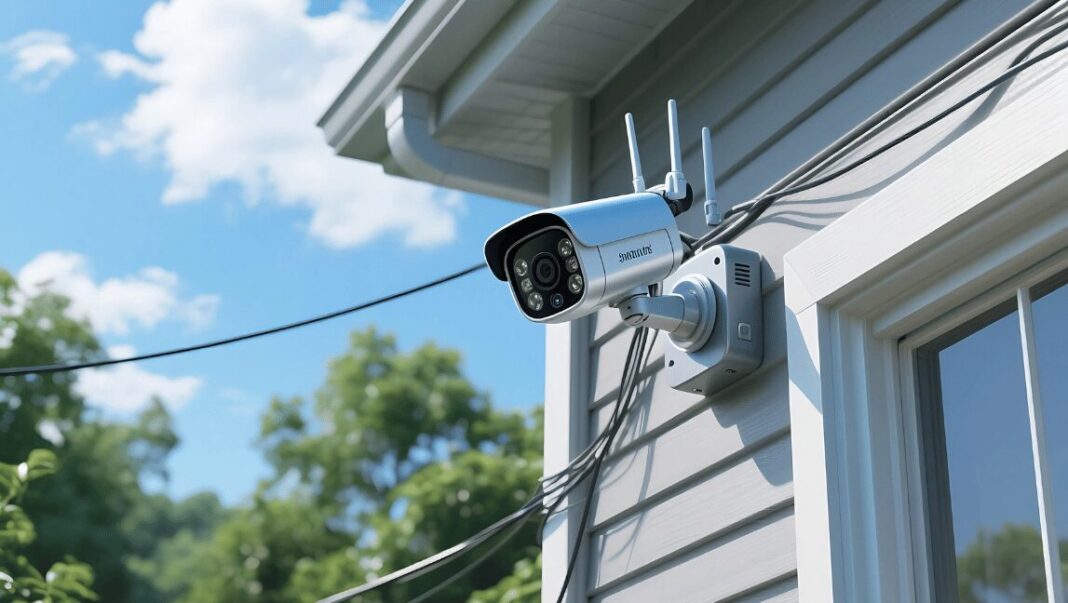
Wireless outdoor security cameras are modern surveillance solutions specifically designed to be installed outside homes and commercial properties. These devices differ from traditional wired systems in that they transmit footage over Wi-Fi or cellular networks, eliminating the need for extensive cabling. Their wireless nature allows for flexible placement, easy relocation, and cleaner installation.
Built with rugged materials and weather-sealed enclosures, these cameras are capable of withstanding harsh environmental elements including heavy rain, snow, heatwaves, and high winds. Many advanced models also include features like built-in sirens, LED spotlights, solar charging capabilities, and smart sensors that help distinguish between various motion sources, like humans, pets, and vehicles.
Key Features to Look For
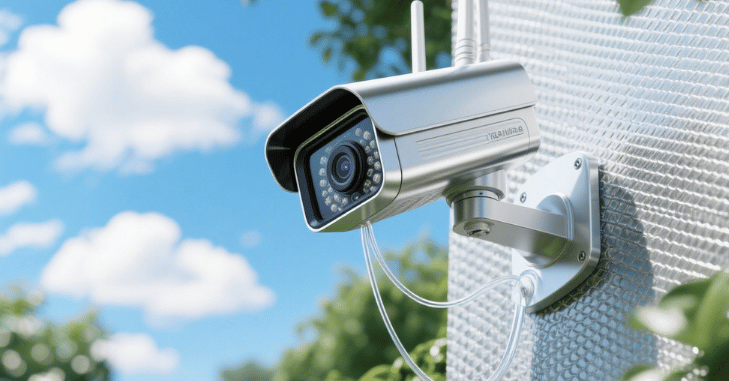
If you’re planning to invest in a wireless outdoor security camera, here are the critical features that should top your checklist:
- Weather Resistance and Durability: Select a camera with a minimum IP65 rating to ensure it’s well-sealed against dust and can resist water sprays from any direction. For extreme environments, look for IP67 or IP68 ratings.
- Video Quality: A resolution of at least 1080p (Full HD) ensures clear visuals. For even sharper images, cameras with 2K or 4K resolution are ideal. Higher resolution helps capture critical details, such as facial features and license plate numbers.
- Night Vision: Your camera should offer excellent nighttime visibility using infrared LEDS or colour night vision technology. Some models provide a full-colour image even in low light, which can be crucial for identifying intruders.
- AI Motion Detection: Artificial intelligence helps distinguish between different types of motion, reducing false alerts caused by wind-blown objects or wildlife. Advanced models allow you to set motion zones for more precise surveillance.
- Two-Way Audio: Having a built-in microphone and speaker allows you to speak with visitors or warn off trespassers from anywhere using your smartphone.
- Storage Versatility: Look for options that support both cloud-based storage and local backups. This ensures that your footage remains accessible even if one storage method fails or is unavailable.
- Flexible Power Solutions: Depending on the location, you might opt for battery-operated, plug-in, or solar-powered units. Solar panels are perfect for remote locations or users wanting eco-friendly solutions.
- Field of View (FOV): Cameras with wide-angle lenses, generally ranging from 120° to 180°, allow broader area coverage and reduce the number of cameras needed for full perimeter surveillance.
- Mobile App Support and Smart Notifications: Ensure the camera offers a robust app that provides live view, playback, adjustable settings, and real-time notifications.
- Smart Home Integration: Compatibility with smart home platforms like Amazon Alexa, Google Assistant, or Apple HomeKit allows for seamless control and automation within your home ecosystem.
Benefits of Wireless Outdoor Security Cameras
The popularity of wireless outdoor security cameras is driven by their immense versatility and ease of use. Here are the key benefits they bring: Say goodbye to drilling holes and running cables. Most wireless cameras can be installed in under an hour with minimal tools. Keep tabs on your property at any time via your smartphone, tablet, or computer. Most apps support live viewing and quick access to recorded clips.
Start with a few cameras and add more as your security needs grow, without worrying about rewiring or system upgrades. Connect with other smart devices such as lights, thermostats, and locks to create automated security routines. Receive push notifications or email alerts when motion is detected. Some systems even allow emergency contact integration.
The presence of visible cameras alone often discourages criminal behavior. Some models monitor more than just visuals; they can also detect temperature fluctuations, noise, or even smoke. Knowing that your loved ones and belongings are secure, whether you’re at home or traveling, provides invaluable mental comfort.
Top Brands and Models to Consider
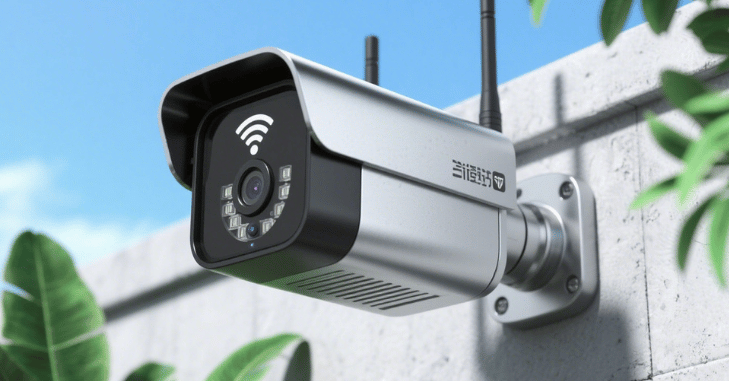
With so many choices available, narrowing down your options to a few top-performing models can help. Here’s a look at some leading contenders:
- Arlo Pro 5s: Featuring 2K HDR, colour night vision, a built-in spotlight, and dual-band Wi-Fi, this premium model is perfect for users seeking top-of-the-line features and compatibility with smart home systems.
- Ring Spotlight Cam Plus: Great for those already in the Ring ecosystem. It combines motion-activated lighting, sirens, and two-way talk. It’s Alexa-enabled and ideal for deterring unwanted visitors.
- Google Nest Cam (Battery): With smart AI that distinguishes people, animals, and vehicles, it integrates seamlessly with Google Home and provides 1080p HDR video.
- EufyCam 3: Offers 4K resolution, facial recognition, built-in storage, and solar charging capabilities. Best of all, it doesn’t require monthly subscription fees.
- Blink Outdoor 4: Affordable and reliable, with impressive battery life (up to two years), customizable motion detection zones, and Alexa compatibility.
- Reolink Argus 3 Pro: Offers 2K video, smart motion detection, colour night vision, and the option to add a solar panel for continuous power.
- Wyze Cam Outdoor v2: Budget-friendly with features like colour night vision, time-lapse, and travel mode—great for temporary setups or renters.
Tips for Optimal Placement and Performance
To get the most out of your wireless outdoor security system, consider the following recommendations: Mount cameras 8–10 feet high to minimise tampering and maximise coverage. Focus on vulnerable entry points, such as doors, windows, garages, and driveways.
Angle cameras slightly downward to capture detailed facial footage. Avoid aiming directly into light sources to prevent glare or backlighting. Test your Wi-Fi signal at the intended location; use extenders if necessary. Regularly clean the lens to maintain clear image quality. Adjust detection zones and sensitivity in the app to reduce false alerts.
Things to Keep in Mind
Although the benefits are substantial, a few drawbacks should be considered:
- Dependence on Wi-Fi: A weak or unstable internet connection can affect performance. Invest in a strong network infrastructure for the best results.
- Recurring Subscription Costs: Certain features, such as cloud storage or smart alerts, may incur ongoing fees.
- Battery Maintenance: For battery-powered models, regular charging or replacement of the battery is necessary.
- Privacy Considerations: Using cloud services may raise privacy concerns. Choose brands that use solid encryption and have transparent policies.
- System Compatibility: Ensure your chosen camera works with your existing smart devices and hubs.
Conclusion
Wireless outdoor security cameras are not just modern conveniences they are essential tools for creating a safe, intelligent living environment. With features that allow remote monitoring, smart notifications, and integration with broader home automation systems, these devices provide unmatched value and functionality.
Whether you opt for a single unit to cover your front porch or a full system to monitor every corner of your property, investing in wireless security is a forward-thinking decision. Take the time to evaluate your needs, compare brands, and install strategically. Your future self will thank you for the added protection and confidence.
Apart from that, if you are interested to know about “Outdoor Camera: A Comparison of Benefits, its Types, Key Features to Consider, Best Outdoor Camera Brands and More” then visit our “Home Improvement” category.
FAQs
A wireless outdoor security camera is a surveillance camera that transmits video and audio signals to a receiver via Wi-Fi or cellular network, without requiring a physical data cable. It’s designed to work outdoors and withstand various weather conditions.
Most wireless outdoor security cameras use Wi-Fi for live streaming and storing footage in the cloud. However, some models use local storage, such as SD cards, and others use 4G LTE networks.
Yes, some can record to local storage like SD cards or NVMe without internet access. However, you won’t get remote viewing or cloud features unless they’re connected online.
Wi-Fi range depends on the router and environment, but typically ranges from 100 to 300 feet outdoors. Obstructions, such as walls or trees, may reduce the range.