
Introduction
In today’s world, security is a top priority for homeowners and businesses alike. Outdoor cameras have become an essential tool for monitoring and protecting properties. With advanced technology, these cameras offer features like high-definition video, night vision, motion detection, and intelligent integration.
They help deter criminal activities and provide valuable peace of mind by allowing you to monitor your surroundings in real time. Outdoor cameras are more than surveillance tools; they act as a deterrent and a source of evidence if something unfortunate occurs.
Technological advancements have made these cameras more accessible, user-friendly, and efficient. From smart home compatibility to AI-powered detection, modern outdoor cameras provide solutions tailored to varying needs and budgets.
| Feature | Description |
|---|---|
| Resolution | Ranges from 1080p HD to 4K Ultra HD for clear video quality. |
| Night Vision | Infrared (IR) or color night vision for low-light recording. |
| Motion Detection | Detects movement and sends alerts to your phone. |
| Connectivity | Wi-Fi, Ethernet, or cellular for remote access. |
| Power Source | Battery-powered, solar-powered, or wired. |
| Weather Resistance | IP65 to IP67 rated for rain, snow, and dust protection. |
| Two-Way Audio | Built-in microphone and speaker for communication. |
| Recording Options | Continuous recording or motion-triggered clips. |
| Storage | Local (SD card, DVR) or cloud storage. |
| Remote Access | View footage via mobile apps or web platforms. |
| Security Features | Encryption, password protection, and two-factor authentication. |
| Price Range | $50 to $300+, depending on features and brand. |
Key Features That Make Outdoor Cameras Essential for Home Security
Outdoor cameras are an increasingly important component of modern home security because they help homeowners monitor activity around entrances and property perimeters with greater confidence. These devices typically include features such as weather-resistant housing, motion detection, and night vision, which allow them to capture clear footage in a variety of conditions that traditional indoor cameras cannot handle. Some models also offer two-way audio and remote access via mobile apps, enabling users to interact with visitors or check live video streams from anywhere. By providing a visible deterrent to potential intruders and empowering residents with real-time alerts and recorded evidence, outdoor cameras contribute not just to deterrence but also to peace of mind for families and property owners alike.
Outdoor Camera
An outdoor camera is a security device designed to monitor and protect the exterior of homes, businesses, and other properties. Built to withstand harsh weather conditions like rain, snow, and extreme temperatures, these cameras often come with an IP65 or higher weatherproof rating.
Most outdoor cameras offer high-definition video recording, night vision, and motion detection, ensuring clear footage day and night. Advanced models include innovative features like two-way audio, facial recognition, and mobile app integration for real-time alerts and remote viewing.
Depending on the type, outdoor cameras can be powered by batteries, solar panels, or wired connections. Footage can be stored locally on an SD card or in the cloud for easy access. These cameras not only deter potential intruders but also provide peace of mind by keeping homeowners informed about activity around their property.
Benefits
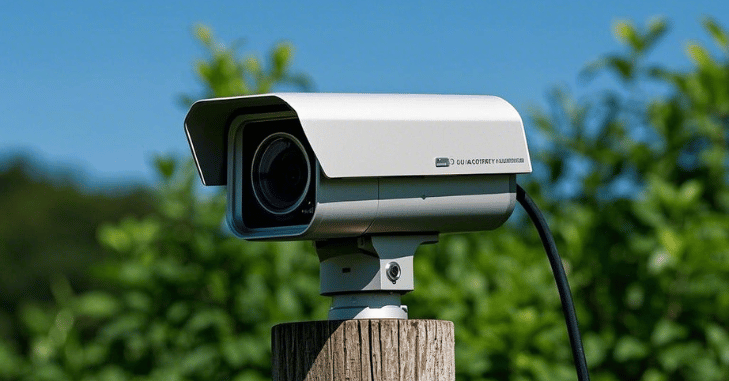
Outdoor cameras provide numerous benefits, including Deterring potential intruders and monitoring suspicious activities. Visible cameras often discourage criminals from targeting your property. You can access live footage from anywhere using a smartphone, tablet, or computer. This feature is handy for frequent travelers or those wanting to check their homes while at work.
Help law enforcement with recorded evidence in case of incidents. High-resolution footage can provide crucial details like facial features and license plate numbers. Connect with other security devices for a comprehensive surveillance system. Many outdoor cameras work seamlessly with voice assistants like Alexa, Google Assistant, and Apple HomeKit.
With the rise of online shopping, outdoor cameras can help you monitor package deliveries and prevent porch piracy. A security system, including outdoor cameras, can sometimes lower your home insurance premiums.
Types
There are various types of outdoor cameras available, each catering to different security needs:
- Wired Cameras: Require a direct power source and offer stable connectivity. These are ideal for permanent installations and areas with consistent power supply.
- Wireless Cameras: Operate on Wi-Fi and offer easy installation. They are flexible and can be moved as needed but rely on a strong internet connection.
- Battery-Powered Cameras: These cameras are ideal for locations without power outlets. They offer more flexibility but require periodic battery changes or recharging.
- PTZ (Pan-Tilt-Zoom) Cameras: Provide wide coverage and zoom capabilities, allowing you to adjust the view remotely. They are perfect for large properties or areas needing detailed monitoring.
- Solar-Powered Cameras: This is an eco-friendly option with long-lasting battery life. It is ideal for remote areas where power sources are limited.
- Floodlight Cameras: Combine bright lights with high-definition cameras to illuminate and monitor dark areas, providing visibility and security.
Key Features to Consider
When choosing an outdoor camera, consider the following features:
- Resolution: Higher resolution (1080p or 4K) provides more explicit images, making it easier to identify faces, license plates, and other crucial details.
- Night Vision: Infrared or color night vision for 24/7 surveillance. Cameras with color night vision often use built-in lights to provide more explicit nighttime images.
- Weather Resistance: Ensure the camera can withstand extreme weather conditions, such as rain, snow, and intense heat. Look for an IP65 or higher rating.
- Motion Detection & Alerts: Receive instant notifications when movement is detected. Some advanced models use AI to distinguish between people, animals, and vehicles.
- Storage Options: For video recordings, you can use cloud storage or a local SD card. Cloud storage offers remote access, while local storage provides privacy without monthly fees.
- Two-Way Audio: Communicate with visitors or warn intruders using built-in microphones and speakers.
- Wide-Angle Lens: A broader field of view reduces blind spots and ensures comprehensive coverage.
- AI and Facial Recognition: Advanced cameras can identify familiar faces and alert you when an unknown person is detected.
Best Outdoor Camera Brands
Some of the top outdoor camera brands include:
- Arlo: Known for high-quality wireless cameras with innovative features, including AI detection and long battery life.
- Ring: Offers video doorbells and security cameras with app integration. The Ring ecosystem is popular for its user-friendly app and neighborhood alert system.
- Nest: Google’s security cameras with AI-based detection offer seamless integration with Google Home.
- Reolink: Affordable cameras with excellent video quality are available in wired and wireless.
- Blink: Budget-friendly wireless cameras with good battery life, ideal for basic surveillance needs.
- Eufy: Known for cameras with local storage and no monthly fees, ensuring privacy and cost-efficiency.
Installation and Maintenance Tips
Proper installation ensures the effectiveness of your outdoor camera. Follow these tips: Install cameras at entry points, high-traffic areas, and vulnerable spots around your property.
Position the camera at least 8-10 feet above the ground to prevent tampering while maintaining a clear view. Prevent tampering by hiding or securing wires. For wireless cameras, ensure a strong Wi-Fi signal. Avoid pointing cameras directly at the sun or reflective surfaces to prevent glare.
Clean the lens, check for software updates, and ensure the camera remains securely mounted. Adjust sensitivity settings to avoid false alarms from animals or passing vehicles.
Advanced Tips for Optimal Security
For maximum security, consider the following advanced strategies: Define specific areas for motion detection, reducing unnecessary alerts. Store important footage in the cloud to prevent data loss if the camera is damaged or stolen. Integrate with Alarm Systems.
Connect your cameras to your home security system for automatic recording during alarms. Schedule Monitoring Set specific times for active monitoring to conserve battery and reduce false alerts. Some cameras offer privacy zones, allowing you to block specific areas from being recorded.
Conclusion
Outdoor cameras are vital to modern security systems, offering peace of mind and protection. You can effectively safeguard your property by selecting the right type, considering key features, and ensuring proper installation. Whether you’re monitoring your home, business, or vacation property, outdoor cameras provide reliable surveillance and valuable evidence in case of incidents.
Apart from that if you want to know about “Instant Print Camera: A Comprehensive Guide to Features, Pricing, and Choosing the Best Model” then please visit our “Tech” Category.
FAQs
Most outdoor cameras are weatherproof, with an IP65, IP66, or IP67 rating, which makes them resistant to rain, snow, and dust.
Yes, many outdoor cameras are designed to function in temperatures ranging from -20°F to 120°F (-29°C to 49°C).
Some outdoor cameras are wired and need constant power, while others run on rechargeable batteries or solar panels.
An outdoor security camera is used to monitor activity around a home’s exterior, helping deter intruders and record important events.
Most outdoor cameras include night vision or low-light capabilities, allowing them to capture footage after dark.