
Introduction
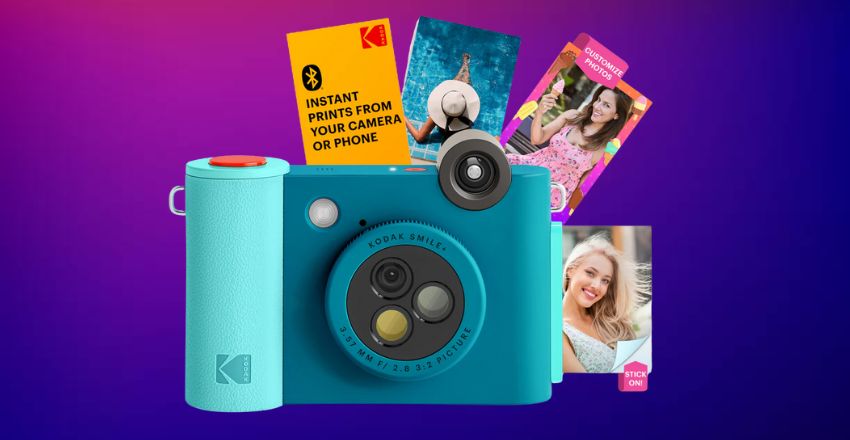
An instant print camera combines the excitement of instant photo printing with modern features. With options like 2×3-inch and 3×4-inch film sizes, lens quality, and printing resolution, these cameras offer both portability and convenience.
Depending on your needs, you can choose from budget-friendly models starting at $50, mid-range options for $100 to $200, or premium cameras over $300. This guide explores these key features, including picture quality, battery life, and user experience.
| Basics | Features |
| Film Size | 2×3 or 3×4 inches. |
| Lens | Fixed 60mm or adjustable/zoom. |
| Resolution | 320×240 to 640×480 pixels. |
| Picture Quality | Soft, grainy, nostalgic. |
| Price Range | $50-$100 (budget), $100-$200 (mid), $300+ (premium). |
| Battery Life | Rechargeable or disposable. |
| User Interface | Simple controls, some with preview. |
| Dimensions | Compact or larger for extra features. |
| Flash Options | Automatic or manual flash. |
| Printing Resolution | Higher-resolution prints are clearer and more vibrant. |
| Print Quality | Retro, influenced by film and lens quality. |
| Print Size | 2×3 inches (sharing) or 3×4 inches (display). |
| Printing Rate | 30 seconds to 2 minutes per print. |
| Toner & Materials | It uses film and toner; some inkless models are available. |
| Type | Analog (instant film) or Digital (edit photos before printing). |
The Appeal of Instant Print Cameras in the Digital Era
Instant print cameras have carved out a special place in photography by bridging the gap between digital convenience and physical keepsakes, offering users the ability to capture moments and immediately hold a tangible photo in their hands. Unlike traditional cameras that require printing later, these devices combine digital imaging with built-in printing technology, allowing friends and families to enjoy crisp snapshots right after they’re taken. This immediacy makes instant print cameras particularly popular at events, travel destinations, and casual gatherings where sharing memories in real time enhances the experience. The unique blend of nostalgia, fun, and practicality ensures that instant print cameras remain relevant even as smartphone photography continues to evolve.
Film Size
The film size of an instant print camera determines the dimensions of your prints. Common sizes include 2×3 inches and 3×4 inches. Smaller prints (2×3) are compact and portable, ideal for casual use, while larger prints (3×4) offer more space for detailed images. Depending on your preferences, choose the right size for your needs and convenience.
Lens
The lens quality of an instant print camera impacts how sharp and clear your photos turn out. Most instant cameras have a fixed lens of around 60mm, which works well for typical shots. Some models feature adjustable lenses or a zoom feature for versatile photo options.
Resolution
Resolution refers to the level of detail an instant print camera can capture. Most instant cameras offer resolutions between 320×240 and 640×480 pixels. While these resolutions are suitable for small prints, they may not provide the sharpness of digital cameras.
Picture Quality
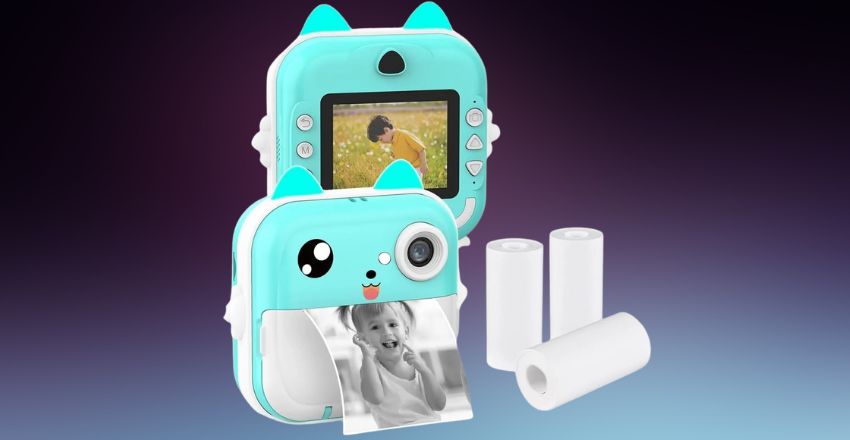
Picture quality in instant print cameras is often soft and grainy, giving your prints a nostalgic feel. Although not as sharp as digital photos, this aesthetic is beloved for its vintage charm. The quality can vary depending on the lens, film type, and settings.
Price Range
The price of an instant print camera varies based on brand, features, and capabilities. Budget options typically range from $50 to $100, offering basic features like fixed lenses and simple film.
Mid-range models with extra features such as rechargeable batteries, better lenses, and larger prints cost between $100 and $200. Premium models may cost over $300.
Battery Life
Battery life in an instant print camera is essential for uninterrupted photo sessions. Some cameras use disposable batteries, while others come with rechargeable options. Rechargeable models, like the Fujifilm Instax Mini 11, typically last for several photo packs before recharging.
User Interface
The user interface of an instant print camera should be intuitive and easy to navigate. Most cameras have simple controls such as a button for taking photos, a brightness dial, and flash settings. Some models also feature a digital screen to preview images before printing.
Dimensions
The dimensions of an instant print camera affect its portability and ease of use. Compact models are lightweight and easy to carry, making them ideal for travel or on-the-go use. Larger cameras may provide more features, such as better lenses or additional settings, but they can be bulkier.
Flash Options
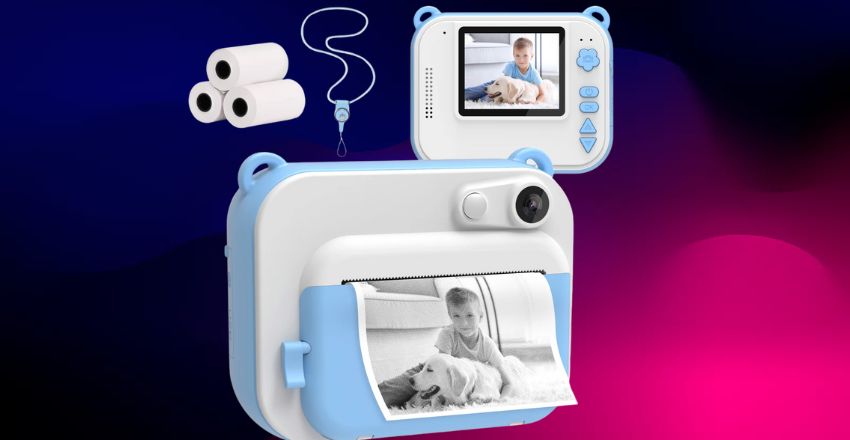
Flash options in instant print cameras help you take photos in low-light environments. Most cameras offer an automatic flash that activates when necessary, while some models let you adjust the flash manually. A strong, adjustable flash ensures your photos are well-lit, even in darker settings.
Printing Resolution
Printing resolution refers to the quality of the print produced by an instant camera. Higher print resolution means better clarity and more vibrant images. While instant prints may not match professional printer quality, many modern models produce crisp prints with rich colors.
Print Quality
The print quality of an instant print camera depends on several factors, including film type, camera settings, and lens quality. Generally, instant prints are not as sharp as those from digital cameras but have a unique, retro appeal.
Print Size
Print size is an important consideration when choosing an instant print camera. Common print sizes include small 2×3-inch prints and larger 3×4-inch prints. Smaller prints are great for scrapbooking or sharing, while larger prints allow for more detail and can be used for display.
Printing Rate
Printing rate refers to how fast an instant print camera generates photos after taking a shot. Most cameras take 30 seconds to 2 minutes to print an image. While some cameras allow you to take another shot during printing,
Toner and Other Material
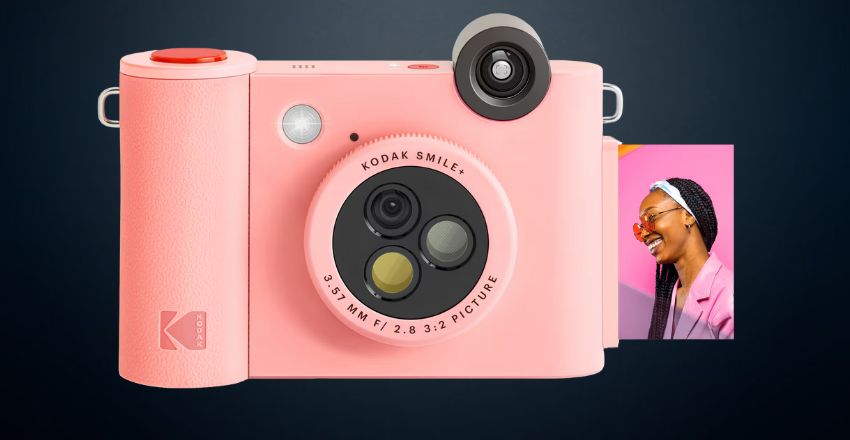
Instant print cameras use specialized film and chemicals to create photos. Many models require photo paper and toner cartridges for printing. Some cameras utilize inkless printing technology, eliminating the need for toner. It’s important to check the cost and availability of these materials,
Type
- Instant print cameras are available in two main types: analog and digital.
- Analog cameras use traditional film and develop prints immediately after being captured.
- Digital instant cameras let you take digital photos, which you can edit before printing.
- Digital models offer greater flexibility, while analog cameras provide a more authentic, nostalgic experience for those who enjoy the classic approach.
Customer Reviews and Experience
Customer reviews are a valuable resource when purchasing an instant print camera. They provide insights into the real-world performance, ease of use, and print quality of various models.
Many users praise the fun, nostalgic feel of instant prints but may highlight issues like inconsistent quality or cost of film. Check reviews to understand the pros and cons before making your purchase.
Why Instant Print Cameras Remain Popular
Despite the rise of smartphone photography, instant print cameras continue to attract users who value tangible memories and creative photography experiences. The ability to hold a printed photo moments after taking it creates a sense of excitement that digital images often cannot replicate.
These cameras are especially popular at parties, weddings, travel adventures, and family gatherings, where instant prints can be shared, displayed, or kept as personalized keepsakes. Their blend of convenience, nostalgia, and interactive fun makes them appealing to both younger generations discovering instant photography and older users who appreciate its classic charm.
Conclusion
In conclusion, an instant print camera offers a fun and nostalgic way to capture memories. With varying features like film size, lens quality, and print resolution, you can find a model that suits your needs and budget.
Whether you choose a basic, mid-range, or premium option, these cameras provide instant, physical photos to cherish for years.
Apart from that if you want to know about “The Sony RX100: Redefining Compact Camera Excellence and Mastering Photography, Quality, Models, and Much More” then please visit our “Tech” Category.
FAQs
File sizes are typically 2×3 inches or 3×4 inches.
Most cameras have a fixed 60mm lens, some with zoom or adjustable options.
Resolutions range from 320×240 to 640×480 pixels.
Most instant print cameras do not use traditional ink; instead, they rely on special photo paper that develops images through heat or chemical processes.
They combine a digital camera sensor with an internal printer, allowing the photo to be processed and printed instantly after it is taken.