
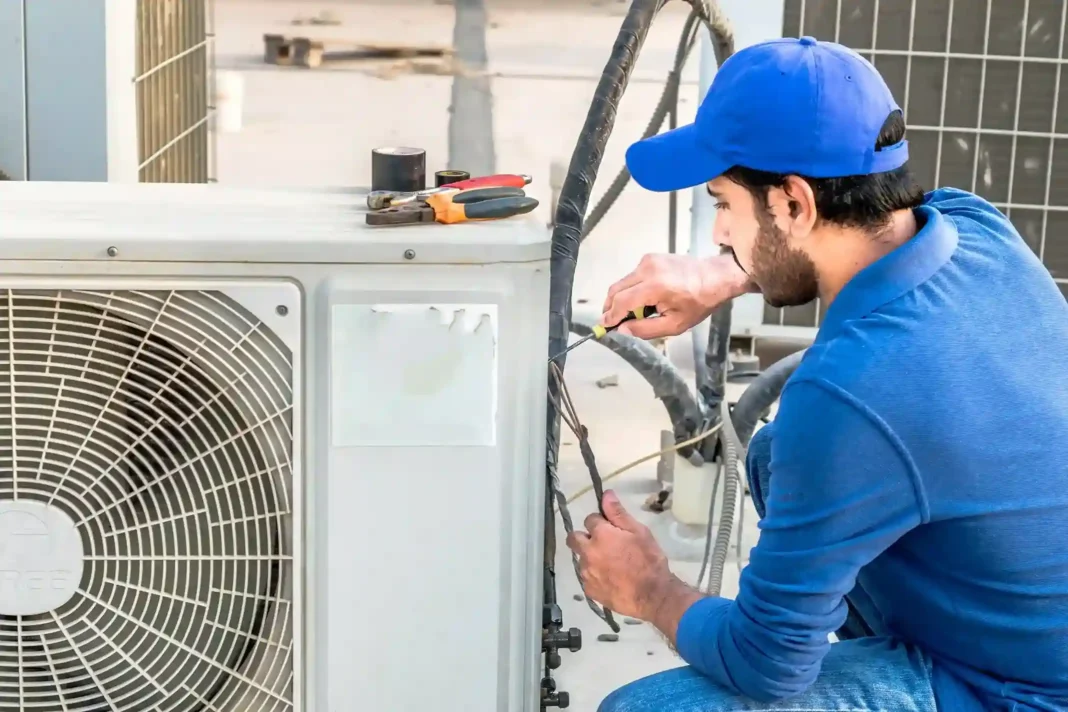
Heat pumps are becoming an increasingly popular heating solution for homeowners looking to improve energy efficiency and reduce their reliance on conventional heating systems. By transferring heat from the surrounding environment into a property, these systems can efficiently maintain indoor comfort year-round. However, like other mechanical heating equipment, heat pumps require appropriate maintenance to remain reliable. Regular heat pump servicing can help London homeowners identify developing faults, maintain system performance, and reduce the likelihood of unexpected heating problems. Servicing is especially important for households that rely on heat pumps as their primary source of heating and hot water.
Understanding How Heat Pumps Work
Heat pumps transfer thermal energy from an external source, such as outdoor air or the ground, into a building. Unlike conventional boilers that generate heat through combustion, heat pumps use a refrigeration cycle to move existing heat.
Air source heat pumps are commonly installed in residential properties because they avoid the extensive groundworks associated with some ground-source systems.
Their efficiency depends on several factors, including outdoor temperature, heating system design, insulation, controls, and maintenance. Although heat pumps are designed for regular operation, their components still require inspection and care.
Why Heat Pump Maintenance Matters
A heat pump contains interconnected mechanical, electrical and refrigeration components. These may include compressors, fans, heat exchangers, circulation pumps, sensors and control systems.
Over time, dirt, wear, or component faults can reduce the system’s efficiency. Some problems may develop gradually, making them difficult for homeowners to recognise immediately.
Routine servicing gives a competent professional an opportunity to assess key components and identify maintenance needs before they become more serious.
Maintaining Heating Efficiency
One of the main reasons homeowners install heat pumps is their potential to deliver heat efficiently.
However, restricted airflow, incorrect settings, system pressure problems, or deteriorating components can affect performance.
Professional servicing can help identify conditions that may reduce efficiency. Maintaining appropriate operating conditions allows the system to perform closer to its intended design.
Actual energy savings depend on the property, equipment, and heating requirements, so view servicing as part of a wider approach to efficient home heating.
Preventing Unexpected Heating Problems
Heating failures can be particularly inconvenient during colder months when households depend on reliable indoor temperatures.
A heat pump may keep operating even as certain components begin to deteriorate. Without inspection, these problems may eventually develop into faults that interrupt heating or hot water.
Regular maintenance helps identify warning signs and allows you to arrange repairs when needed.
Although servicing cannot prevent every breakdown, it can reduce the likelihood of some maintenance-related problems remaining undetected.
The Importance of Outdoor Unit Maintenance
Air source heat pumps rely on outdoor units to extract heat from the surrounding air.
Leaves, debris and other obstructions can interfere with airflow, potentially affecting performance.
London properties may have outdoor units positioned in gardens, courtyards or other spaces where surrounding vegetation and environmental conditions require attention.
Homeowners can keep the area around the unit clear, following manufacturer guidance, while appropriately competent personnel carry out technical inspections and maintenance.
Supporting Long-Term Equipment Reliability
A heat pump represents a significant investment in a property’s heating infrastructure.
Proper maintenance can help preserve its condition and identify components that need attention.
Servicing also provides an opportunity to review operating behaviour and discuss any recurring concerns.
While a heat pump’s lifespan depends on installation quality, usage, environment, and other factors, consistent maintenance is an important part of responsible equipment ownership.
Checking Heating Controls
Heat pump performance is closely connected to how the system is controlled.
Heating schedules, temperature settings and weather compensation arrangements can influence energy consumption and indoor comfort.
During a service, relevant settings may be reviewed to identify obvious problems or opportunities for adjustment.
Changes should reflect the system design and household requirements, rather than assuming the same settings suit every property.
Addressing Common Performance Problems
Homeowners may occasionally notice reduced heating output, unusual operating noises or changes in energy consumption.
These symptoms can have several causes, including control settings, airflow restrictions or component faults.
Professional assessment helps identify the underlying issue rather than relying on guesswork.
Early investigation is particularly useful when symptoms persist or become more noticeable.
Servicing and Manufacturer Requirements
Heat pump manufacturers typically provide guidance covering maintenance and operating requirements.
These instructions may specify inspections, cleaning procedures and other activities appropriate to the equipment.
Warranty terms may also include maintenance conditions, though requirements vary by manufacturer and product.
Homeowners should review their documentation and follow the servicing arrangements relevant to their installation.
Planning Servicing Around Seasonal Demand
Many homeowners prefer to arrange heating maintenance before the colder months.
This allows time to identify problems before heating demand increases.
However, you can schedule servicing at other suitable times, depending on manufacturer guidance and system requirements.
The most important consideration is maintaining an appropriate schedule rather than waiting until a fault becomes obvious.
Frequently Asked Questions (FAQs) About Heat Pump Servicing
How often should a heat pump be serviced?
Many manufacturers recommend annual professional servicing, but the appropriate interval depends on the equipment, installation and warranty conditions. Homeowners should follow the guidance supplied with their system.
Can servicing improve heat pump efficiency?
Servicing can help identify problems that affect performance, such as restricted airflow, incorrect settings, or component deterioration. Correcting these issues may improve efficiency, although results depend on the system’s condition.
Do heat pumps require maintenance even when working normally?
Yes. Some faults develop gradually without immediately affecting heating. Routine maintenance helps identify problems before they cause noticeable disruption.
Is heat pump servicing important during winter?
Heat pump reliability is particularly important during colder periods. Servicing before winter can help identify maintenance needs ahead of increased heating demand.
Can homeowners service their own heat pumps?
Homeowners may carry out basic checks and cleaning permitted by the manufacturer. Leave technical inspections, electrical work, and refrigerant-related activities to appropriately qualified professionals.