
Things To Do In Hanoi
Hanoi, the vibrant capital of Vietnam, is a city where history, culture, and modern life blend seamlessly. Hanoi, known for its ancient temples, colonial buildings, and vibrant street food, offers a true glimpse into Vietnam’s soul. Visitors can explore landmarks like the Ho Chi Minh Mausoleum and the Temple of Literature or enjoy local favorites such as pho and banh mi. The city offers endless chances for discovery.
The keyword Things To Do in Hanoi covers cultural and culinary experiences as well as day trips to stunning places like Halong Bay, Ninh Binh, and Sapa. You can wander through the bustling Old Quarter or enjoy a traditional water puppet show. Hanoi offers an unforgettable journey filled with charm, warmth, and authenticity.
| Category | Highlights | Description |
| Historic Landmarks | Ho Chi Minh Mausoleum, Temple of Literature, Old Quarter, One Pillar Pagoda, Museum of Ethnology | Explore Vietnam’s political, educational, and cultural history through centuries-old architecture and heritage sites. |
| Culinary Experiences | Pho, Banh Mi, Bun Cha, Egg Coffee, Street Food Tours | Taste Hanoi’s famous street food dishes and experience the city’s vibrant food culture through local vendors and guided tours. |
| Souvenirs & Shopping | Silk Products, Lacquerware, Handicrafts, Local Snacks | Discover handmade crafts, silk garments, and traditional delicacies that reflect Vietnam’s artistry and heritage. |
| Cultural Activities | Water Puppet Theatre, Cooking Classes, Local Markets, Traditional Festivals | Immerse yourself in Vietnamese traditions, art, and community life through performances, workshops, and festive celebrations. |
| Day Trips from Hanoi | Halong Bay, Ninh Binh, Sapa | Explore Vietnam’s natural beauty and cultural landscapes on scenic excursions to UNESCO sites and mountain villages. |
Exploring Hanoi’s Historic Landmarks
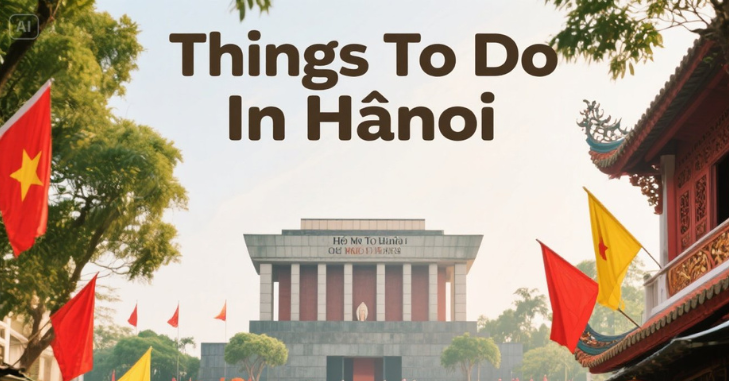
Hanoi is a city steeped in history, with landmarks that tell the story of its past and cultural heritage. Each site reflects a different era, from the ancient dynasties to the colonial period.
Ho Chi Minh Mausoleum
A visit to Hanoi is incomplete without paying homage to Ho Chi Minh, the revered leader of Vietnam. The Ho Chi Minh Mausoleum is an imposing structure located in Ba Dinh Square, where Ho Chi Minh declared Vietnam’s independence in 1945. The mausoleum houses Ho Chi Minh’s embalmed body, and visitors can pay their respects by filing past the glass sarcophagus. The surrounding area includes the Presidential Palace and the Ho Chi Minh Museum, which provide insight into the life and legacy of this influential figure.
The Old Quarter
The Old Quarter is the beating heart of Hanoi, known for its narrow streets and bustling atmosphere. Each street is dedicated to a specific trade or craft, reflecting the city’s vibrant commerce. As you wander through the maze of alleyways, you will encounter traditional wooden houses, quaint shops, and lively markets. The Old Quarter is a perfect place to immerse yourself in the local culture, with its street vendors, art galleries, and small cafes
The Temple of Literature
The Temple of Literature, Vietnam’s first national university, is a serene oasis in the bustling city. Founded in 1070, this Confucian temple complex is dedicated to education and scholarship. The beautifully landscaped gardens, ancient trees, and traditional Vietnamese architecture create a peaceful atmosphere that invites contemplation. Visitors can explore the various courtyards and admire the stone stelae inscribed with the names of successful students.
One Pillar Pagoda
Just a short distance from the Temple of Literature lies the One Pillar Pagoda, an iconic Buddhist temple built in 1049. Architects designed the pagoda to resemble a lotus blossom rising from the water and perched it on a single stone pillar to create a striking visual effect. A serene pond surrounds the structure, and its unique design makes it one of Hanoi’s most recognizable landmarks.
Experiencing Hanoi’s Street Food Culture
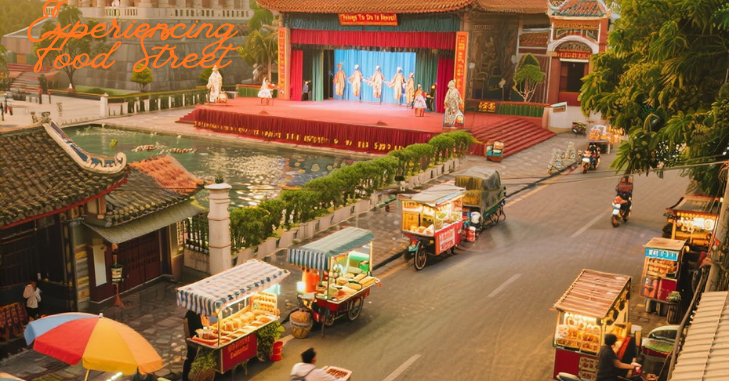
Hanoi’s culinary scene is a highlight of any visit, and the street food culture is an integral part of the city’s identity. In addition, the bustling streets are lined with vendors serving a myriad of delicious dishes, each more tempting than the last.
Pho
Pho, Vietnam’s iconic noodle soup, is a must-try when visiting Hanoi. Chefs simmer beef or chicken with spices to make a fragrant broth, then pour it over rice noodles and top it with fresh herbs, bean sprouts, and slices of meat. Locals favor Pho Bat Dan and Pho Gia Truyen, where generations have perfected the flavors.
Banh Mi, on the other hand, is a Vietnamese sandwich that reflects the country’s colonial history and is also a beloved street food staple. Typically, a crispy baguette is filled with a variety of ingredients, including grilled meats, pâté, pickled vegetables, and fresh herbs. The combination of flavors and textures makes each bite a delight. Popular spots to try banh mi include Banh Mi 25 and Huynh Hoa, where the sandwiches are made to order, ensuring freshness and quality.
Bun Cha
Bun cha, a dish of grilled pork patties served with vermicelli noodles and dipping sauce, is a Hanoi specialty. The dish is typically accompanied by fresh herbs and lettuce, making it a refreshing meal. Bun Cha Huong Lien, famously visited by former President Obama, is a popular choice for those wanting to savor this local delicacy. The combination of smoky flavors and savory dipping sauce makes bun cha a favorite among locals and visitors alike.
Egg Coffee
For a unique twist on coffee, try egg coffee, a Hanoi specialty that combines strong coffee with whipped egg yolks, sugar, and condensed milk. As a result, the drink becomes a rich and creamy beverage that is both indulgent and satisfying. In fact, Café Giang is one of the best places to experience this delightful drink, where you can not only enjoy it in a cozy setting but also soak in the local ambiance.
Street Food Tours
To fully immerse yourself in Hanoi’s street food culture, consider joining a street food tour. These guided tours take you through the city’s bustling streets, allowing you to sample a variety of dishes while learning about their history and preparation. Local guides provide insight into the best places to eat and help you navigate the vibrant food scene. It’s a fantastic way to discover hidden gems and enjoy the flavors of Hanoi.
Souvenirs in Hanoi
Hanoi is a treasure trove of unique souvenirs that capture the essence of Vietnamese culture. From handcrafted goods to local delicacies, there are plenty of options to consider when searching for the perfect keepsake.
Silk Products
Vietnam is famous for its high-quality silk, and Hanoi offers a variety of silk products, including scarves, ties, and traditional garments. The Old Quarter is home to numerous shops selling exquisite silk items, often made using traditional techniques. Visiting a silk workshop can provide insight into the intricate process of silk production. Consider purchasing a beautifully crafted silk scarf or a tailor-made áo dài, a traditional Vietnamese dress, as a memorable souvenir.
Lacquerware
Lacquerware is another popular souvenir that showcases the artistry of Vietnamese craftsmanship. Items such as bowls, plates, and decorative pieces are made by layering lacquer over wood or bamboo, creating a glossy finish. Many shops in Hanoi offer a wide range of lacquerware, making it easy to find a unique piece to take home. These items not only make for beautiful decor but also represent the rich cultural heritage of Vietnam.
Handicrafts
Hanoi is home to a thriving handicraft scene, with artisans producing everything from pottery and woven textiles to bamboo products and embroidery. The Bat Trang pottery village, located just outside the city, is renowned for its traditional ceramics. Visitors can explore the village, watch artisans at work, and even try their hand at pottery-making. Handcrafted items make meaningful souvenirs, as they reflect the skill and creativity of local artisans.
Art and Souvenir Shops
The Old Quarter is dotted with art galleries and souvenir shops that showcase the work of local artists and craftsmen. Here, you can find paintings, prints, and other artworks that capture the beauty of Hanoi and its surroundings. Supporting local artists by purchasing their work not only provides you with a unique souvenir but also contributes to the local economy.
Cultural Experiences
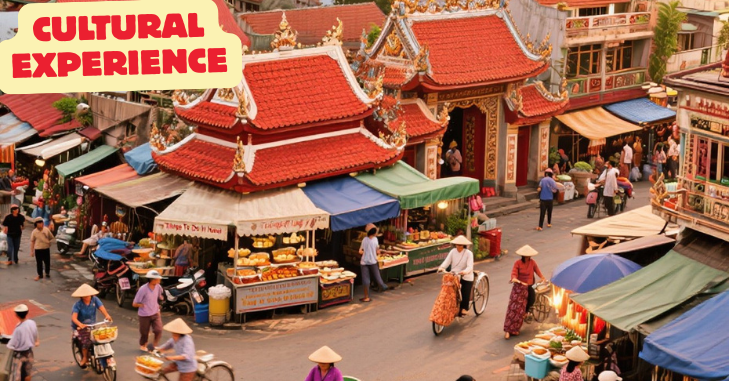
Hanoi is rich in cultural experiences that allow visitors to connect with the local way of life. From traditional performances to engaging workshops, there are plenty of opportunities to immerse yourself in Vietnamese culture.
Water Puppet Theatre
Water puppetry is a traditional Vietnamese art form that dates back to the 11th century. The Thang Long Water Puppet Theatre in Hanoi is one of the best places to experience this unique performance. The shows feature colorful puppets dancing on the water, accompanied by live music and storytelling. The performances depict rural life, legends, and folklore, providing insight into Vietnamese culture and traditions.
Local Markets
Visiting local markets is an excellent way to experience the daily life of Hanoi’s residents. Markets such as Dong Xuan Market and the Night Market in the Old Quarter offer a vibrant atmosphere filled with colorful stalls selling fresh produce, clothing, and household goods. Strolling through the markets allows you to observe the hustle and bustle of local life, interact with vendors, and perhaps even sample some street food along the way.
Day Trips from Hanoi
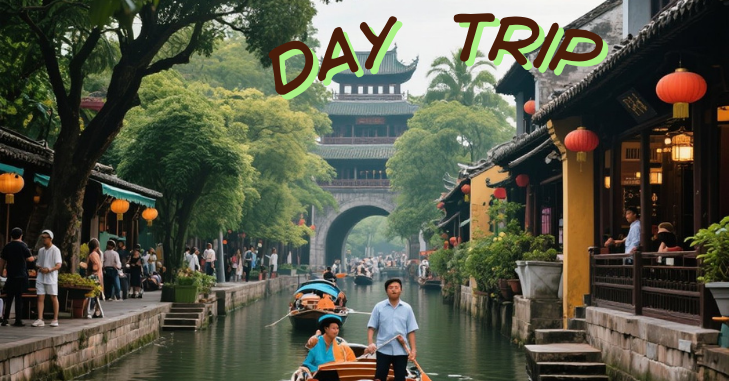
·Halong Bay is one of Vietnam’s most renowned natural wonders and a UNESCO World Heritage Site, celebrated for its emerald waters and towering limestone karsts.
·A day trip from Hanoi often includes a scenic cruise through the bay, offering chances to explore hidden caves and grottoes, as well as enjoy activities like kayaking and swimming.
·Ninh Binh, often called “Halong Bay on land,” features stunning landscapes of rice paddies, limestone mountains, and serene rivers.
·Visitors can take a boat tour through the Tam Coc caves, explore the ancient capital of Hoa Lu, and visit historic temples and pagodas that showcase Vietnam’s cultural heritage.
·Sapa, located in Vietnam’s northern highlands, is famous for its terraced rice fields and ethnic minority villages.
·Though best explored over multiple days, a day trip allows visitors to hike through breathtaking mountain scenery and engage with local communities, offering a glimpse into rural Vietnamese life.
Best Time to Visit Hanoi
Hanoi can be visited throughout the year, but the experience varies depending on the season. The most pleasant time is usually from October to April, when the weather is cooler, less humid, and ideal for exploring outdoor attractions like the Old Quarter, lakes, and historical landmarks. During this period, temperatures are comfortable, making walking tours and street food adventures more enjoyable.
The summer months from May to September tend to be hotter and more humid, with occasional heavy rains, but this season also brings lush green landscapes and fewer tourist crowds. Choosing the right time to visit helps travelers make the most of Hanoi’s cultural, culinary, and scenic experiences.
Conclusion
Hanoi is a city that captivates with its rich history, vibrant culture, and mouthwatering cuisine. From exploring historic landmarks like the Ho Chi Minh Mausoleum and the Temple of Literature to indulging in the diverse street food scene, every corner of Hanoi offers something unique. The bustling Old Quarter, with its lively markets and traditional crafts, invites visitors to immerse themselves in the local way of life.
Thanks to its stunning surroundings and opportunities for adventure, Hanoi not only captivates visitors on its own but also serves as a gateway to nearby attractions like Halong Bay and Ninh Binh. Moreover, whether you’re exploring the city’s historic sites, enjoying its culinary delights, or venturing into the scenic countryside, Hanoi ultimately promises a journey filled with unforgettable memories.This enchanting city invites you to discover its beauty and immerse yourself in its vibrant culture, making it a destination that lingers in your heart long after you leave.
Want to know about 3 Ways Animal Enthusiasts Can Observe Wildlife Check out our Travel category.
FAQs
Hanoi is also a major tourist destination, with 18.7 million domestic and international visitors in 2022. The city hosts the Imperial Citadel of Thăng Long, Ho Chi Minh Mausoleum, Hoàn Kiếm Lake, West Lake, and Ba Vì National Park near the outskirts of the municipality.
Is three days in Hanoi enough? While there is a lot to see and do in Hanoi, three days is plenty, particularly if, like us, you’re moving south towards Ninh Binh, Hoi An and Ho Chi Minh city – or in the other direction, towards north Vietnam.
Your £100 can go a long way in Vietnam. Budget travelers can expect to spend up to £25 a day on food and lodging. Middle-budget spenders can enjoy good restaurant food, hire cabs, and stay comfortably in good hotels for about £35-65 a day.