
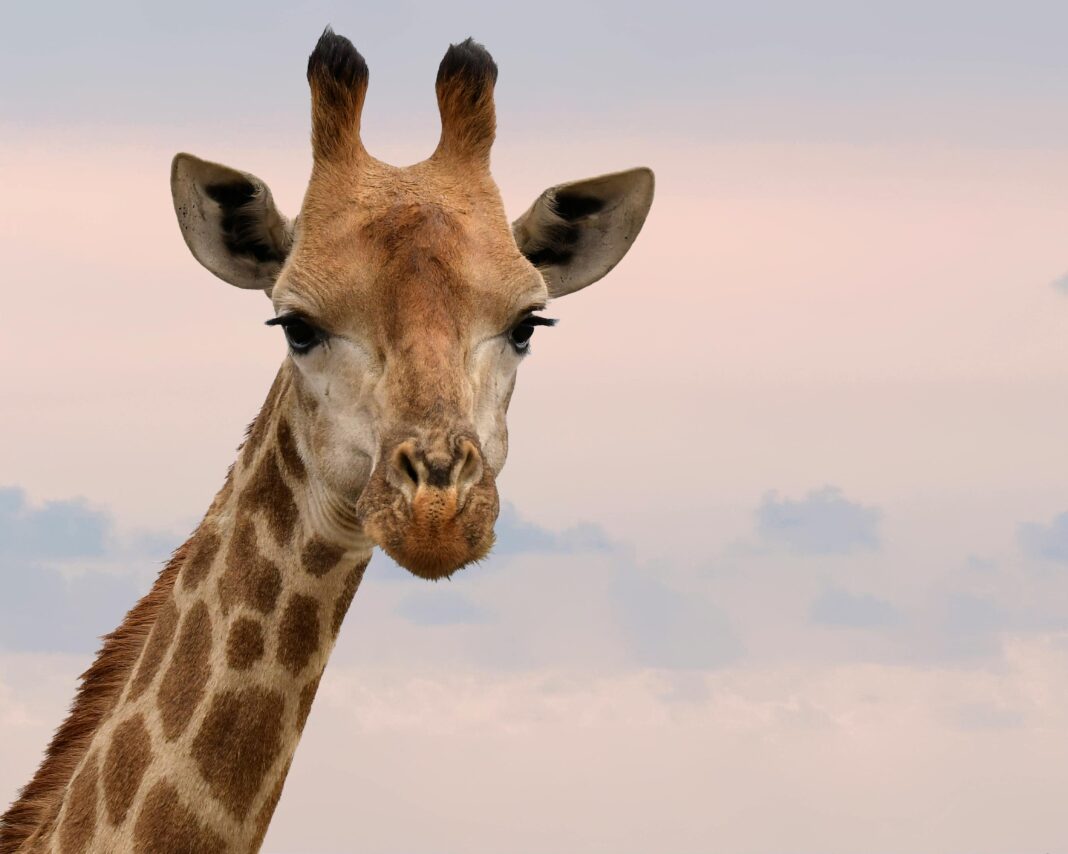
Photo from Pexels
Observing wildlife in their untouched environment creates a profound sense of wonder and deepens understanding of the natural world. When you witness animals living freely in their habitats, you can forge meaningful connections with nature while learning about their fascinating behaviors.
Here are three ways animal enthusiasts can observe wildlife.
1. Joining Guided Nature Tours and Expeditions
Guided wildlife tours open up a world of possibilities for experiencing animals in their natural settings with expert supervision. These carefully planned expeditions take visitors to prime viewing spots while maintaining safe, appropriate distances from wildlife. For those interested in marine life, Kauai private charters offer breathtaking encounters. From thrilling African safaris to other mesmerizing adventures, specialized tours worldwide cater to various wildlife interests and preferences.
2. Creating a Backyard Wildlife Habitat
Want to bring wildlife observation right to your doorstep? You could transform your backyard into a welcoming haven for local creatures. Strategic placement of bird feeders, serene water features, and native plants can turn any outdoor space into a bustling wildlife sanctuary. With proper maintenance and thoughtful design, these wildlife-friendly spaces provide endless entertainment and observation opportunities throughout the year.
3. Visiting National Parks and Wildlife Refuges
Protected wilderness areas serve as nature’s ultimate observation platforms, offering carefully managed environments for wildlife viewing. National parks and refuges feature strategically placed observation points and well-maintained trails that maximize wildlife encounters while ensuring everyone’s safety. These sanctuaries typically offer enlightening educational programs, expert-led nature walks, and informative visitor centers that enhance understanding of local wildlife. Different seasons bring unique animal behaviors and fascinating migration patterns, making each visit a new adventure.
Beyond the joy of watching animals in their natural habitats, wildlife observation also plays a vital role in conservation and education. By observing animals responsibly, enthusiasts can better understand how environmental changes, pollution, and human activity impact ecosystems. Many organizations encourage citizen participation in wildlife monitoring programs, where individuals record animal sightings or behaviors that help scientists track population trends. These small contributions make a big difference in protecting species and preserving natural habitats. Whether you are documenting birds in your backyard or joining global conservation projects, engaging in wildlife observation promotes awareness and inspires action to safeguard the planet’s biodiversity.
Wildlife observation also provides an opportunity to appreciate the importance of environmental balance and sustainability. By witnessing animals interact with their habitats, observers gain a deeper understanding of how each species contributes to the ecosystem. From pollinators like bees and butterflies supporting plant life to predators maintaining population control, every creature plays a crucial role. This awareness encourages people to adopt eco-friendly habits, such as reducing plastic waste, supporting conservation efforts, and respecting wildlife habitats when traveling or exploring nature. Through mindful actions, enthusiasts can help preserve these natural wonders for future generations to enjoy.
In addition, technology has revolutionized the way people experience and study wildlife. High-quality cameras, motion sensors, and drones allow enthusiasts and researchers to observe animal behaviors without disturbing their environments. Online platforms and wildlife webcams make it possible to watch animals in real time, from penguins in Antarctica to elephants roaming African reserves. Social media and digital communities also help spread awareness about endangered species and conservation challenges. These innovations not only enhance the thrill of observation but also make it more accessible to people around the world, inspiring greater participation in wildlife protection.
Conclusion
The world of wildlife observation presents endless opportunities for nature enthusiasts to forge deeper connections with the animal kingdom. With these various approaches, observers can create memorable experiences.