
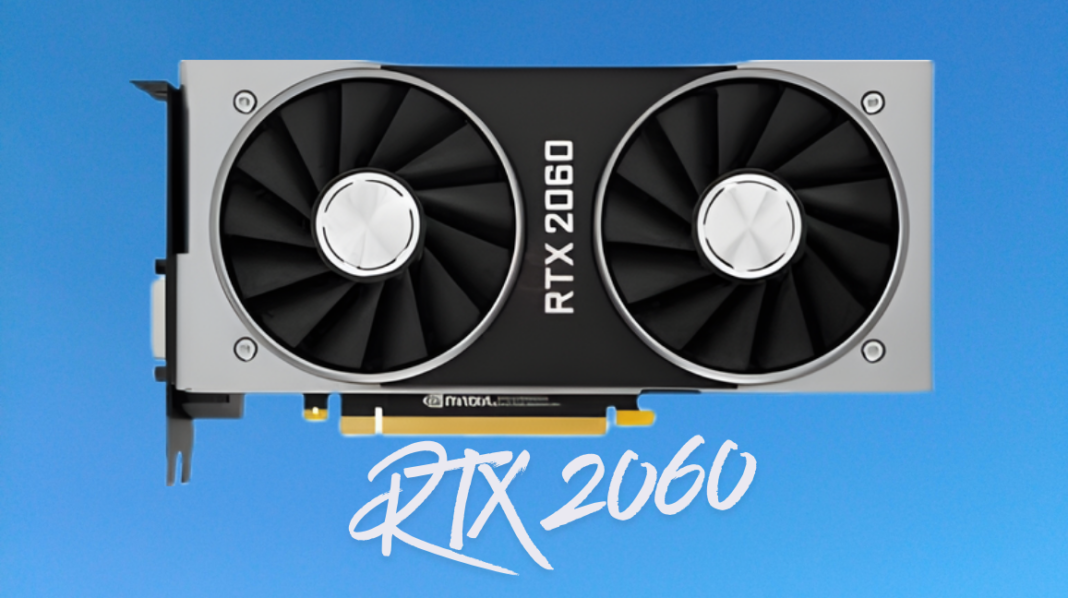
The NVIDIA GeForce RTX 2060 is a powerful mid-range graphics card that brought real-time ray tracing and AI-enhanced Gaming to a wider audience. Built on NVIDIA’s advanced Turing architecture, it combines 1,920 CUDA cores, 6GB of GDDR6 memory, and efficient 160W power consumption to deliver strong 1080p and capable 1440p performance. For a closer look, see Logitech Wheel.
With features like DLSS, dedicated RT cores, and solid overclocking potential, this remains a balanced choice for gamers and content creators seeking performance, visual quality, and value in one package.
| Category | Details |
| Architecture | Turing |
| CUDA Cores | 1,920 |
| Base Clock | 1,365 MHz |
| Boost Clock | 1,680 MHz |
| Memory | 6GB GDDR6 |
| Memory Speed | 14 Gbps |
| Memory Bus | 192-bit |
| Ray Tracing | (RT Cores) |
| DLSS Support | (Tensor Cores) |
| 1080p Gaming | Excellent |
| 1440p Gaming | Good |
| TDP | 160W |
| Recommended PSU | 500W |
| PCIe Support | PCIe 3.0 |
| Cooling Options | Dual/Triple Fan |
Rtx 2060
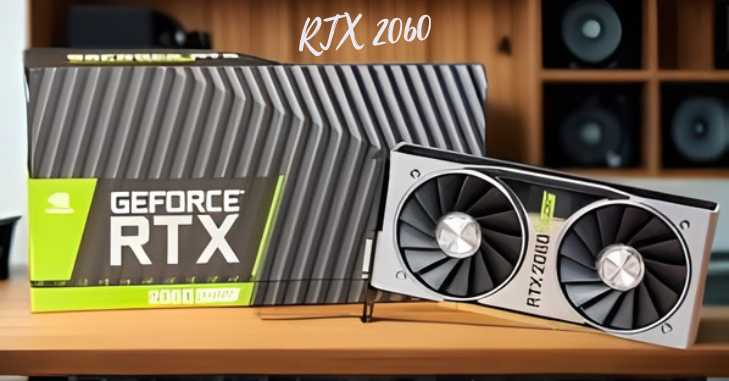
The NVIDIA GeForce RTX 2060 is a mid-range graphics card that fundamentally transformed the gaming experience upon its release, enabling real-time ray tracing and AI-driven enhancements at a more affordable price.
Built on the Turing architecture, it features 1,920 CUDA cores, a base clock of 1,365 MHz, and 6 GB of GDDR6 memory, making it capable of delivering smooth performance in 1080p and even respectable frame rates in 1440p Gaming.
Key Specifications
Turing Architecture
The RTX is constructed upon NVIDIA’s Turing architecture, which enhances performance and introduces several notable innovations. This architecture integrates RT Cores dedicated to real-time ray tracing, enabling vastly improved lighting, reflections, and shadow effects in supported games.
Additionally, it incorporates Tensor Cores that facilitate AI processing, enabling technologies like DLSS (Deep Learning Super Sampling) to enhance image quality and performance.
Core Specifications
Regarding core specifications, the RTX features 1,920 CUDA cores, with a base clock of 1,365 MHz and a boost clock of 1,680 MHz. It features 6 GB of GDDR6 memory with a 192-bit memory interface and operates at 14 Gbps. These specifications enable the card to deliver a solid gaming experience, particularly at 1080p and 1440p resolutions.
Performance Metrics
- The RTX 2060 excels at 1080p Gaming.
- It can handle 1440p Gaming.
- Benchmarks show the card can sustain frame rates well above 60 FPS in most modern AAA titles at high settings.
- Challenges may arise at higher settings in certain games at 1440p, but lowering graphical settings ensures smooth gameplay.
- Performance comparisons indicate that the RTX is on par with or outperforms its predecessor, the GTX 1070 Ti.
- This performance solidifies the RTX position as a competitive mid-range graphics card.
Power Consumption
The RTX is not only performant but also efficient in terms of power consumption. With a thermal design power (TDP) of 160 Watts, this card does not place excessive strain on the power supply. NVIDIA recommends a power supply of at least 500 Watts for optimal performance, making it a sensible choice for gamers who do not wish to overhaul their entire system.
The Turing architecture optimizes power efficiency, allowing the RTX to provide impressive performance per watt. This balance of power consumption and performance enhances its appeal, particularly for those aiming to build budget-friendly gaming rigs.
Cooling Solutions
Importance of Cooling Solutions
The cooling solutions for the RTX 2060 play a vital role in maintaining operational efficiency and temperature management. Effective cooling is essential for ensuring optimal performance, especially during extended gaming sessions.
Stock Coolers
Most variants come equipped with NVIDIA’s reference Founders Edition cooler or enhanced third-party solutions. These stock cooling solutions are designed to provide adequate airflow and temperature control right out of the box.
Aftermarket Solutions
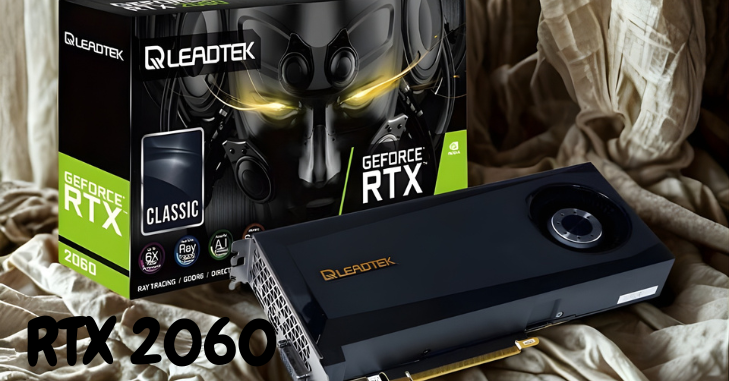
Aftermarket cooling solutions from brands like MSI, ASUS, and EVGA often feature custom fan curves to reduce noise while maintaining solid thermal performance. Many of these designs incorporate large heatsinks and innovative cooling technologies to manage heat effectively, making them suitable even for overclocking scenarios.
Design Variants
- The RTX is available in several design variants, including the NVIDIA Founders Edition and numerous third-party models.
- The Founders Edition features a clean and premium design with an aluminum shroud and a dual-fan configuration, balancing aesthetics and functionality.
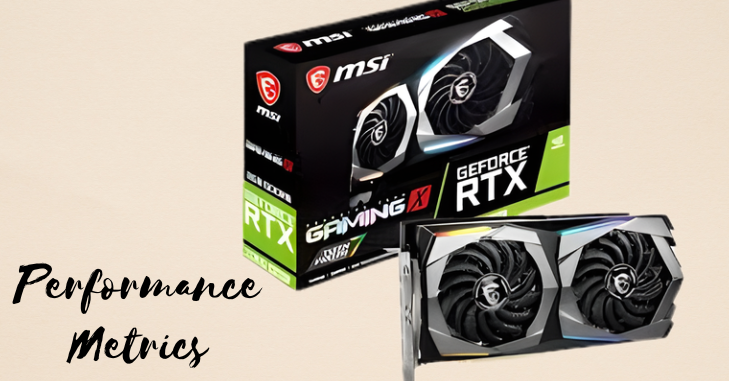
- The MSI Gaming X model is known for its unique cooler, which promotes quieter operation and enhanced thermal performance.
- The ASUS ROG Strix version is known for its robust build quality, extensive RGB lighting, and superior cooling.
- The Gigabyte WindForce features a triple-fan design, offering improved cooling and appealing to overclocking enthusiasts.
- RTX card dimensions vary; checking compatibility with your case is essential, especially in compact builds.
- Most designs comfortably fit standard ATX cases, but some exceptions may exist.
Ray Tracing and DLSS
The introduction of ray tracing support in the RTX marks a significant leap forward in gaming visuals. Ray tracing simulates how light interacts with objects, leading to remarkable improvements in realism by enhancing reflections, shadows, and ambient occlusion.
The RTX can enable ray tracing in supported titles while still delivering playable frame rates, making high-quality graphics more accessible to mid-range gamers. Additionally, the DLSS technology within the card leverages Tensor Cores to upscale lower-resolution images to higher resolutions without sacrificing quality.
This functionality allows gamers to significantly enhance performance without diminishing the overall visual experience, effectively enabling the RTX to compete with more powerful cards in graphics-intensive titles.
Gaming Benchmarks
Performance in Popular Titles
The RTX shines in various popular gaming titles. For instance, in “Shadow of the Tomb Raider,” it can achieve around 60 FPS at high settings at 1080p while disabling ray tracing. In demanding games like “Cyberpunk 2077,” the performance varies; however, players often find smooth gameplay at medium settings with ray tracing off and DLSS enabled. In multiplayer titles like “Call of Duty: Warzone,” the card consistently runs at frame rates above 60 FPS, ensuring an enjoyable gameplay experience.
Productivity Applications
Beyond Gaming, the RTX finds its place in productivity applications. For creatives, software like Adobe Premiere Pro can be accelerated significantly with CUDA cores, making the card an excellent choice for video editing and graphic design.
Overclocking Potential
- The RTX 2060 offers respectable overclocking potential for enthusiasts.
- Users often report that moderate overclocks can raise core speeds above 1,800 MHz, improving performance in various applications.
- Memory overclocking is achievable, with speeds exceeding 14.5 Gbps, enhancing performance in bandwidth-sensitive tasks.
- Many aftermarket models are equipped with robust power delivery systems, enabling them to handle higher voltages and power effectively.
- These features facilitate overclocking, making it easier for users to push their cards to higher performance levels.
Compatibility and Future-Proofing
Compatibility is another key aspect of the RTX. It typically fits into most modern systems thanks to its PCI Express 3.0 support. However, it is crucial to ensure that your motherboard can accommodate the card, especially in older setups.
Regarding future-proofing, the RTX is an excellent choice for current gaming needs, particularly for 1080p and some 1440p applications. Nevertheless, gamers looking for longevity in demanding future titles may want to consider higher-tier options like the RTX 3060 to ensure their system remains capable over the next several years.
Conclusion
The NVIDIA GeForce RTX stands as a benchmark for affordability and performance in the mid-range graphics card segment. Its blend of advanced technologies, including real-time ray tracing and DLSS, has set new standards for budget-conscious gamers.
Whether you are a dedicated gamer or a content creator, the RTX 2060 provides an exceptional experience, combining cutting-edge technology with solid performance. As the gaming landscape continues to evolve, the RTX 2060 remains a compelling option for those aiming to elevate their gaming experiences without overextending their budgets.
Thus, it serves as a noteworthy example of NVIDIA’s innovative approach, offering players a glimpse of the future of gaming graphics while catering to today’s performance needs.
Want to know about Gigabyte X670e Aorus Pro X: A Complete Guide to Key Specifications, Chipset, Processor Support, And Much More Check out our Tech category.
FAQs
For less-demanding games and esports, RTX 2060 still has enough horsepower to get players by. Intense workloads do stretch the card’s capabilities, but it will surprise you on occasion, as it did me with Assassin’s Creed Mirage.
Ampere’s upgraded RT and Tensor cores deliver noticeably better ray-tracing performance and DLSS efficiency, giving the RTX 3060 a clear advantage in modern games and AI-assisted workloads. The RTX 2060 features 1,920 CUDA cores, while the RTX 3060 significantly increases this to 3,584.
MSI Gaming GeForce RTX 2060 6GB GDDR6 192-bit HDMI/DP Ray Tracing Turing Architecture VR Ready Graphics Card (RTX 2060 Gaming Z 6G) Amazon’s Choice highlights highly rated, well-priced products available to ship immediately.
The RTX 2060 card is outdated, as 50-series cards are already out of production, so GTA 6 may barely run on this old GPU. Which graphics card is best for GTA 6? High-end cards like RTX 5080 or 5090 are the best cards for GTA 6 due to their ability to generate more frames and better visuals.