
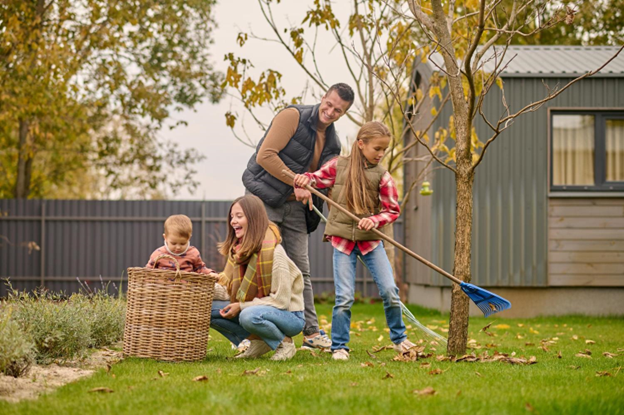
As buyer priorities continue to evolve, one trend is no longer optional—it’s essential. In 2026, outdoor living has become a must-have, not a bonus.
Buyers aren’t just looking at square footage inside the home; they’re evaluating how a property connects them to fresh air, nature, and flexible outdoor spaces that support everyday living.
From private backyards to shared green spaces, outdoor areas are now seen as an extension of the home itself.
Why outdoor living matters more in 2026
Outdoor living has shifted from a “nice-to-have” feature to a core buyer expectation. The value of a home is no longer measured solely by what’s inside its walls, but by how well it connects occupants to fresh air, nature, and flexible outdoor spaces that support modern lifestyles.
Several long-term changes in how people live, work, and prioritize well-being have made outdoor living more important than ever. Those changes include demand for well-being, hybrid work lifestyles, climate awareness, as well as lifestyle over size.
Demand for well-being
Buyers increasingly view outdoor space as essential to mental and physical health. Access to natural light, greenery, and open-air environments is linked to reduced stress, better focus, and improved overall well-being.
Hybrid work lifestyle
Remote and hybrid work models have permanently altered daily routines. Outdoor spaces now serve multiple purposes: casual meeting areas, quiet breaks between calls, or alternative work zones.
Buyers are drawn to homes where patios, balconies, or gardens feel like natural extensions of the interior rather than unused extras.
Climate awareness
Buyers are more climate-conscious than ever. Shaded outdoor areas, cross-ventilation, and landscaping that cools rather than heats the home are practical considerations, not luxuries. Well-designed outdoor spaces can reduce reliance on air conditioning, improve energy efficiency, and make homes more comfortable year-round.
Lifestyle over size
Today’s buyers value how a space functions more than how large it is. A compact courtyard with thoughtful design can be more appealing than a large, underutilized lawn. Outdoor kitchens, alfresco dining areas, fire pits, and seating zones help buyers envision daily life, entertaining, and relaxation.
For many buyers exploring houses for sale in St Georges Basin, outdoor areas represent lifestyle freedom, not just additional square meters. Well-designed outdoor spaces transform how a home is used, adding real, tangible value that goes far beyond size alone.
Backyards are back, but smarter
In 2026, buyers want low-maintenance, high-impact backyards. The focus has shifted from large lawns to intentional design.
Today’s buyers are drawn to backyards that are clearly zoned for different uses. One area might be dedicated to outdoor dining, another to relaxing, and a separate space for children or pets.
Low-maintenance landscaping is a major priority. Buyers also value privacy, achieved through thoughtful fencing, greenery, or layered landscaping rather than high-maintenance hedges.
Built-in features are another key trend. Pergolas, fire pits, outdoor seating, and subtle lighting add year-round usability and make the backyard feel like a natural extension of the home.
Patios and alfresco spaces as living rooms
Patios and alfresco areas are now viewed as outdoor living rooms, not just entertainment add-ons.
Popular features include covered or semi-covered outdoor zones, outdoor kitchens or BBQ stations, ceiling fans, heaters, and lighting for year-round use, and seamless indoor–outdoor flow through large sliding or bi-fold doors.
Homes that blur the line between inside and outside consistently outperform those that don’t, especially in lifestyle-driven markets.
Nature access is a selling point
More and more buyers care deeply about what’s beyond the fence line. Proximity to nature is influencing purchasing decisions more than ever.
Some of the highly desirable features include nearby parks, walking trails, and reserves. Then, tree-lined streets and green outlooks, coastal, river, or bushland access. Community gardens or shared green spaces in higher-density developments are also very sought-after features.
Even homes without large private yards benefit when they have easy access to nature-rich environments.
Outdoor living in apartments and townhomes
Outdoor living isn’t limited to standalone homes. Apartment buyers now also expect larger, usable balconies (not decorative ones), rooftop gardens, and communal terraces.
Additionally, they expect shared BBQ and lounge areas, as well as green design elements that soften urban living.
Developments that prioritize outdoor amenity spaces are outperforming those that focus solely on interiors.
Conclusion
In 2026, buyers aren’t just buying homes—they’re buying lifestyles. Backyards, patios, and access to nature are central to that decision.
Properties that offer thoughtful outdoor living solutions stand out in crowded markets, sell faster, and resonate more deeply with modern buyers.
The message is clear: outdoor living isn’t a trend—it’s the new standard.
Want to know about AI in Home Renting: What Landlords and Tenants Need to Know Check out our Real Estate category.