
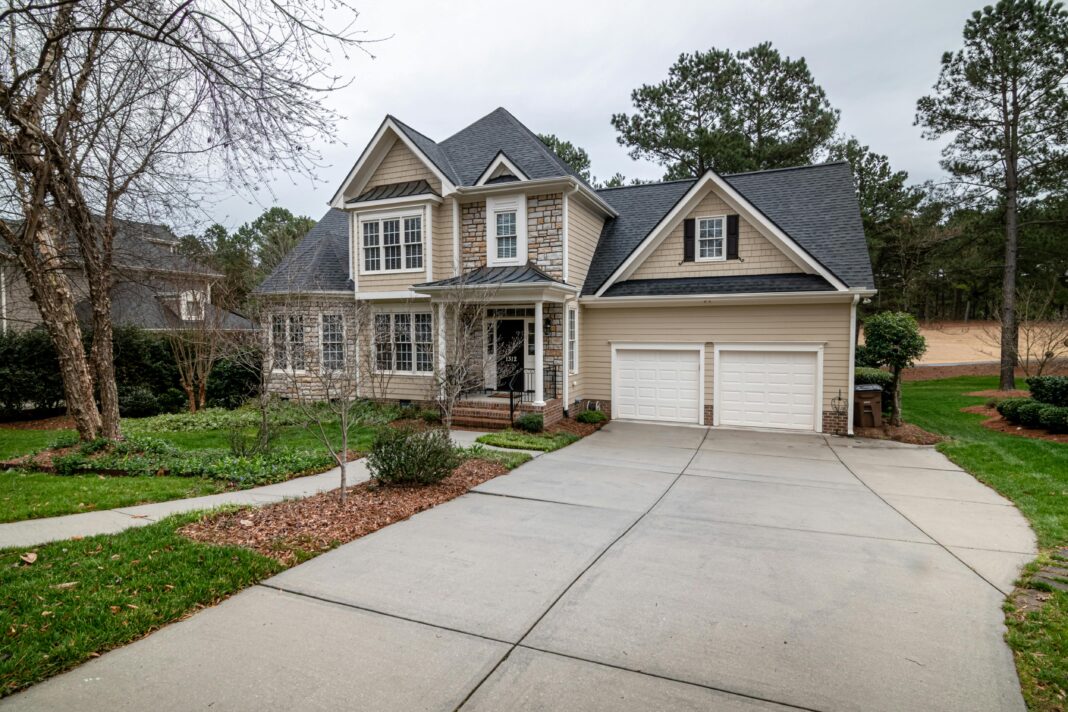
Photo from Pexels
Upgrading a yard often starts with small and repeatable tasks that slowly influence how the space looks and how it works for ordinary use. Because properties vary in size and conditions, steps may shift. Yet, a basic order usually helps you proceed with less confusion. The outline below presents straightforward actions that could guide steady improvement while keeping choices simple, practical, and easy to adjust over time.
Remove clutter and sort surfaces
Clearing unnecessary items sets a workable baseline because order makes later work simpler, and the effect usually appears quickly, even if the space is large. Begin by gathering loose debris, trimming obvious overgrowth, and grouping tools or planters that still serve a clear purpose, since this sorting usually reveals usable areas that were previously hidden by scattered objects. Bag or compost organic material where allowed, then move broken pieces out so disposal or repair can be decided without delay, which prevents piles from forming again. When surfaces are visible, you can assess water flow, foot traffic, and blockages, and these observations might help you plan basic fixes, place containers more carefully, and simplify regular upkeep that otherwise becomes irregular and time-consuming.
Shape lawn areas with consistent height and edges
Keeping ground covers at an even height typically improves the entire view because consistent edges make the outline easy to read from a distance. Start with a careful pass to reduce tall patches, then adjust cutting height to avoid scalping, which could stress growth and create thin sections during dry periods. Edging along paths and beds often provides a straight reference that guides other placements, while collecting clippings from hard surfaces prevents slick spots after rain. You might also fill shallow dips with screened soil and seed if appropriate, since smoother areas tend to drain better and accept regular use without creating ruts. Recheck after weather swings, as growth patterns often change quickly and may require small corrections that keep the look steady.
Mark simple routes and protect boundaries
Setting basic paths and borders can guide movement while shielding sections that should remain undisturbed, and these markers may be installed with common materials that are easy to adjust. Lay out a natural route from entry to seating or work zones, test the width by walking it, and remove obstacles that cause awkward detours or slow steps. Low stakes, flexible edging, or modest pavers could serve as initial boundaries, and these can shift after a few days of typical use without causing extra cost. Where beds meet walkways, add a narrow trench or strip that collects stray soil and mulch, which keeps surfaces clear after watering. This approach remains simple because clear edges and repeatable spacing already provide usable structure for daily movement.
Match plant choices to site conditions
Selecting plants that suit the location usually reduces future maintenance because the conditions already support routine needs without special effort. Observe sun exposure across the day, note wind patterns, and check how moisture sits after irrigation or rain, since this information often guides appropriate choices. Group plants with similar requirements so watering and pruning align, which may save time and avoid confusion when the schedule is busy. Maintain spacing that anticipates mature size, as crowded sections trap humidity and could invite issues that are difficult to reverse later. A layer of mulch may retain moisture and suppress unwanted sprouts. It also gives a uniform surface that helps define nearby edges, improves overall order, and keeps attention on healthy growth.
Add vertical structure for screening and sections
Introducing height can organize views and create clear sections without using much ground space, and it may also stabilize sightlines that point toward nearby activity. Trellises, slim panels, or lattice frames might support climbers where space is limited, while portable screens could allow seasonal rearrangement without heavy work. For example, a hedge wall creates privacy and sets a calm boundary that separates seating or storage from neighboring areas while practically softening wind and glare. Measure available width before installation, because roots and structures usually expand and could press into paths or utilities over time. Confirm any local guidelines for placement and plant types, since predictable growth, safe distances, and simple maintenance help prevent conflicts and keep the layout stable.
Install practical lighting to aid movement
Adding modest lighting where people move or rest often improves function after dusk, and the fixtures can remain simple to monitor as routines change. Test the route at low light to see where steps feel uncertain, then position low fixtures that avoid glare while outlining edges or level changes, which supports safe pacing. Timers or built-in sensors could manage energy use without frequent adjustments, while periodic cleaning of lenses keeps output consistent across the season. Because wiring and placement relate to safety, follow manufacturer instructions and maintain clearances around water features and play zones. Recheck angles as foliage grows, since branches may block light and require relocation, and keep spare parts organized so small fixes stay quick and repeatable.
Maintain watering and care with a steady routine
Keeping a basic schedule for irrigation, pruning, and minor repairs supports a stable look because frequent small actions prevent larger problems from forming. Water early when possible to reduce loss, check soil with a simple probe before adding more, and adjust timing after weather changes, since needs often vary across short periods. Inspect ties, stakes, and fasteners so structures remain stable, then trim damaged growth to support healthy sections that carry the shape. Clean tools after use to avoid buildup that slows work and may affect plant health, and record brief notes about tasks so patterns can be seen later. This ongoing care seems ordinary, yet the routine usually holds the improvements in place, so the yard stays neat and functional.
Conclusion
Outdoor updates often come from steady steps that are easy to repeat and simple to verify, and these actions typically influence how the space looks and how it works for regular use. When clutter is reduced, surfaces are shaped, routes are clear, plants fit the site, screens add height, lighting supports movement, and storage is orderly, the results usually accumulate. Select tasks that match current conditions, then maintain a rhythm so progress continues without unnecessary complexity.