
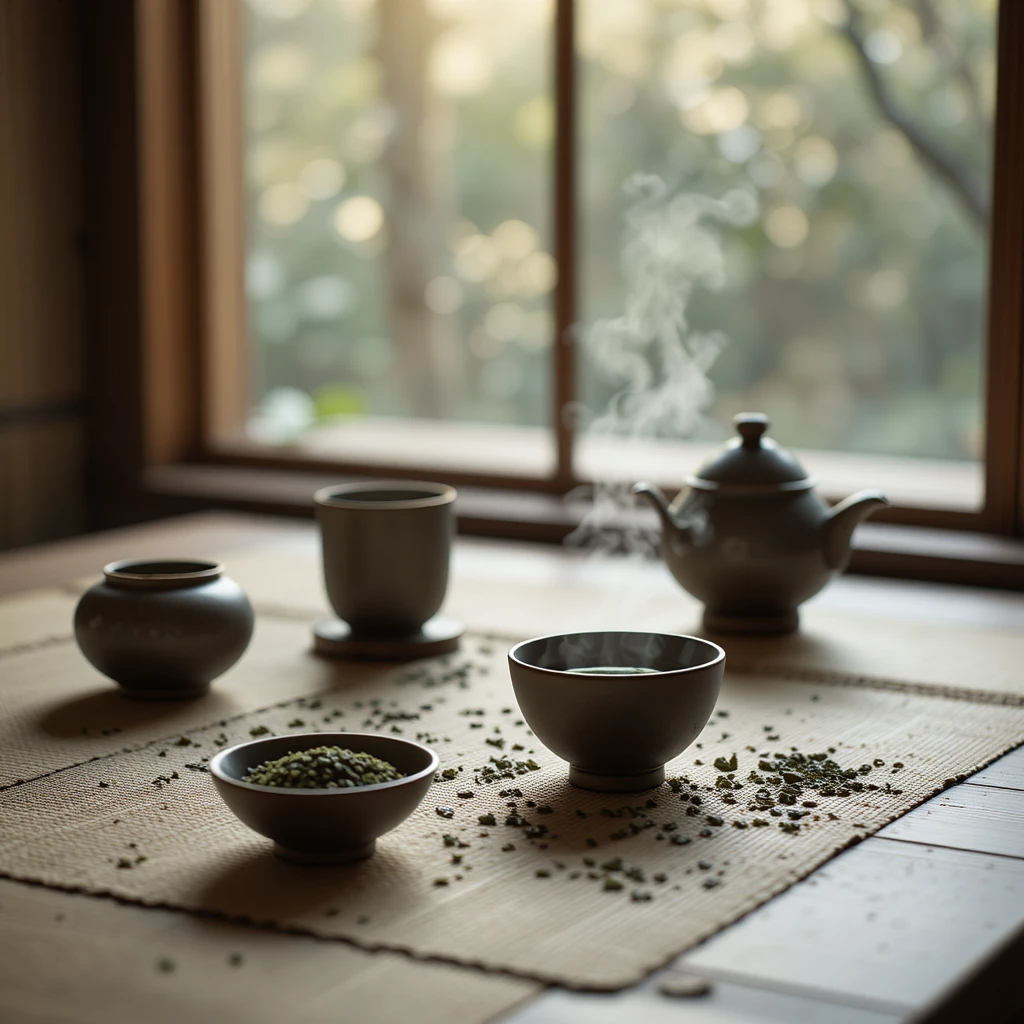
HAKI TEA is a UK-based tea brand that sells a deliberately small range of Japanese teas from small-scale producers in Japan: a dark-roasted hojicha powder, a roasted hojicha leaf tea, a lightly shaded kabuse sencha and a ceremonial grade matcha. Its approach is to offer fewer teas made carefully in small batches, rather than a long list of trend-led products.
Below you will find what each of those teas actually is, how they differ in flavour and caffeine, how to brew them properly at home, and how to tell a good Japanese tea from a disappointing one.
The Idea Behind HAKI TEA
Some brands announce themselves loudly; HAKI takes its time. The idea from the start was not to chase growth or follow whatever was trending, but to treat tea as a craft rather than a commodity. That thinking comes straight from Japanese tea culture, where tea is part of a daily rhythm, much of the work is done by hand, and batches are tasted and re-tasted before anything is finalised.
Rather than expanding quickly on the back of the matcha boom, HAKI kept its range narrow: a shaded kabuse sencha that rewards attention, a hojicha that shows care in the roasting, and a matcha chosen for balance. The brand measures success by continuity, such as customers returning to the same tea or making it part of their morning routine, rather than by scale.
What HAKI Specialises In
All HAKI teas come from Japan, from producers who work on a small scale and stay closely involved in growing and processing. Harvests are selective and batches are tasted repeatedly. Working this way preserves nuance, such as small differences in roast level, shading time or leaf selection, that tends to disappear in large-scale production. It also means the teas can vary slightly from season to season, which is normal for an agricultural product and not a flaw.
| Tea | Style | Flavour | Best for |
|---|---|---|---|
| Hojicha powder | Dark-roasted green tea, finely milled | Toasty, nutty, naturally sweet, low bitterness | Lattes, iced drinks, baking and desserts |
| Roasted hojicha leaf | Roasted bancha and kukicha | Smoky, nutty, softly sweet | Evening cups, easy everyday drinking |
| Ceremonial grade matcha | Shade-grown, stone-ground powder | Vegetal sweetness, crisp umami | Whisked straight, or quality lattes |
| Kabuse sencha | Lightly shaded loose-leaf green tea | Smooth, sweet, rich in umami | Slow, attentive brewing |
HAKI’s Teas in Detail
Hojicha Powder
If one tea brings people back, it is HAKI’s hojicha. Hojicha is Japanese green tea that has been roasted, which turns the leaves reddish-brown and swaps grassy notes for toasty, caramel-like ones. HAKI roasts at high temperatures, up to 200°C, taking it darker than many hojicha teas. The result is deeply nutty, naturally sweet and barely bitter, with a medium-to-light body that is gentle to drink.
The tea is freshly milled into a fine powder and packed to protect its aroma. It pairs particularly well with dairy and plant-based milks, so it suits hot lattes, iced drinks and desserts such as ice cream or panna cotta. It feels grounding rather than stimulating: familiar, but still distinctive.
Ceremonial Grade Matcha
HAKI’s ceremonial grade matcha is grown under shade for 21 to 28 days before harvest. Shading slows photosynthesis and encourages the leaves to build up more chlorophyll and amino acids, which is where matcha’s deep green colour, sweetness and umami come from.
The result is a light, spring-style blend with vegetal sweetness and a clean, crisp umami opening. There is a softness to it, with notes that recall sweet peas and fresh greens, followed by a gentle astringency that fades into a calm aftertaste. Made from several cultivars, the blend is balanced rather than overpowering, so it works for a traditionally whisked bowl as well as everyday drinking.
Roasted Hojicha Leaf Tea
HAKI’s loose-leaf hojicha is made from bancha (later-harvest leaves) and kukicha (stems and twigs), roasted slowly to bring out smoky, nutty and softly sweet notes. Roasting removes almost all bitterness. Because hojicha is usually made from these later leaves and stems and then roasted, it generally contains less caffeine than many other green teas, which is why it is a popular evening choice. The body is medium and the flavour deep but smooth.
Kabuse Sencha
Kabuse means “covered”. Kabuse sencha is shaded for a shorter period than matcha or gyokuro before harvest, giving it a sweeter, rounder and more savoury flavour than standard sencha, with less astringency. It rewards careful brewing at lower temperatures and is a natural next step for matcha drinkers who want to explore loose-leaf Japanese green tea.
Hojicha vs Matcha vs Sencha: Which Should You Choose?
| If you want… | Choose | Why |
|---|---|---|
| A coffee alternative in the afternoon or evening | Hojicha (leaf or powder) | Roasted, low in bitterness and generally lower in caffeine |
| A focused morning ritual | Matcha | Whole powdered leaf, whisked and drunk straight |
| A café-style latte at home | Hojicha powder or matcha | Both blend smoothly with milk |
| To learn loose-leaf brewing | Kabuse sencha | Responds clearly to changes in temperature and time |
| Something for baking | Hojicha powder | Toasty, caramel notes that hold up in heat |
How to Prepare Japanese Teas at Home
Good tea is easy to spoil with water that is too hot or a brew that runs too long. These are sensible starting points; adjust to your own taste.
| Tea | Amount | Water | Time or method |
|---|---|---|---|
| Matcha (usucha, thin) | About 1 to 2 g (half to one level teaspoon) | 60 to 80 ml at around 70 to 80°C | Whisk briskly in a zigzag motion until frothy |
| Hojicha powder latte | 1 to 2 teaspoons | A splash of hot water, then 150 to 200 ml warm milk | Whisk into a smooth paste, then add milk |
| Hojicha leaf | About 3 to 5 g | 200 to 250 ml at 90 to 95°C | 30 seconds to 1 minute |
| Kabuse sencha | About 4 to 5 g | 150 to 200 ml at 60 to 70°C | 1 to 1.5 minutes; re-steep shorter |
No thermometer? Let a boiled kettle stand with the lid open for a few minutes for hojicha, and longer, or pour into a cool jug first, for matcha and sencha. In hard-water areas of the UK, filtered water often gives a cleaner, sweeter cup.
Step by Step: Whisking Matcha
- Warm your bowl and bamboo whisk (chasen) with hot water, then tip it away and dry the bowl.
- Sift the matcha into the bowl to break up clumps.
- Add a little water that has cooled off the boil to around 70 to 80°C.
- Whisk quickly from the wrist in a W or M shape for about 15 to 30 seconds until a fine foam forms.
- Drink straight away, before the powder settles.
Simple Ways to Use Hojicha Powder
- Iced hojicha latte: whisk the powder with a little hot water, pour over ice and top with cold oat or dairy milk.
- Affogato-style dessert: pour a small, strong shot of whisked hojicha over vanilla ice cream.
- Baking: swap a spoonful of flour for hojicha powder in shortbread, cookies or sponge for a toasty, caramel note.
- Breakfast: stir a little into porridge or overnight oats with honey.
Common Brewing Mistakes
- Using boiling water on matcha or sencha, which brings out bitterness.
- Skipping the sift, which leaves lumps in matcha that no amount of whisking will fully fix.
- Stirring matcha with a spoon instead of whisking, so it never foams or fully suspends.
- Steeping sencha too long; a minute or so is usually enough for the first infusion.
- Leaving the tin open by the kettle, where heat and steam dull the flavour quickly.
Ceremonial vs Culinary Matcha: What the Labels Mean
“Ceremonial grade” and “culinary grade” are widely used in shops but are not official or regulated grades, so quality varies between brands. In general, ceremonial matcha uses younger, shade-grown leaves with stems and veins removed, stone-ground to a very fine powder and meant to be whisked with water alone. Culinary matcha usually comes from later harvests and has a stronger, more bitter flavour that holds up in baking.
Quick Quality Checklist
- Colour: vivid green, not yellowish, brownish or dull.
- Texture: fine and silky between the fingers, like talc.
- Aroma: sweet, fresh and vegetal rather than flat or hay-like.
- Origin: a clearly stated region or producer in Japan.
- Packaging: airtight and opaque, ideally a sealed tin or foil pouch.
Storing Japanese Tea
Japanese green teas, and matcha in particular, lose colour and flavour when exposed to air, light, heat and moisture. Keep them in an airtight, opaque container away from the kettle and hob, and use an opened tin of matcha within a few weeks for the best flavour. Unopened tins can go in the fridge, but let them come to room temperature before opening to avoid condensation. Roasted hojicha is a little more forgiving, but it still tastes best fresh.
Building Tea Into Your Day
A common pattern among Japanese tea drinkers is matcha or sencha in the morning, when a gentle lift is welcome, and hojicha later in the day. A bowl of matcha goes well with a slow start and a high-fibre breakfast, while a hojicha latte makes a comforting afternoon alternative to coffee. If you are thinking about what else you drink through the day, our guide to whether sparkling water is bad for your teeth is worth a read.
If you are sensitive to caffeine, pregnant or taking medication that interacts with stimulants, it is sensible to check with your GP or pharmacist about how much tea suits you.
Final Thoughts on HAKI TEA
HAKI sits between effort and restraint, tradition and everyday life. If you are new to Japanese tea, start with the hojicha powder as a latte, then try the matcha whisked with water once you have the temperature right; the kabuse sencha is the one to explore when you want to slow down and brew with care.
Frequently Asked Questions
What is hojicha?
Hojicha is Japanese green tea that has been roasted. Roasting gives it a reddish-brown colour and a toasty, nutty flavour with very little bitterness.
Does hojicha have less caffeine than matcha?
Generally yes. Hojicha is often made from later leaves and stems and then roasted, so it usually contains less caffeine than matcha, which is made from whole shade-grown leaves.
How long is HAKI’s matcha shaded?
HAKI’s ceremonial grade matcha is grown under shade for 21 to 28 days before harvest. Shading develops its sweetness, deep green colour and umami.
What temperature water should I use for matcha?
Use water at around 70 to 80°C. Boiling water can scorch the powder and make it taste bitter, so let the kettle cool for a few minutes first.
Is ceremonial grade matcha an official grade?
No. Ceremonial and culinary are common industry terms rather than regulated grades. Check colour, texture, aroma and origin when choosing matcha.
Can you make a latte with hojicha powder?
Yes. Whisk one to two teaspoons with a splash of hot water into a smooth paste, then add warm or cold milk. It pairs well with both dairy and oat milk.