
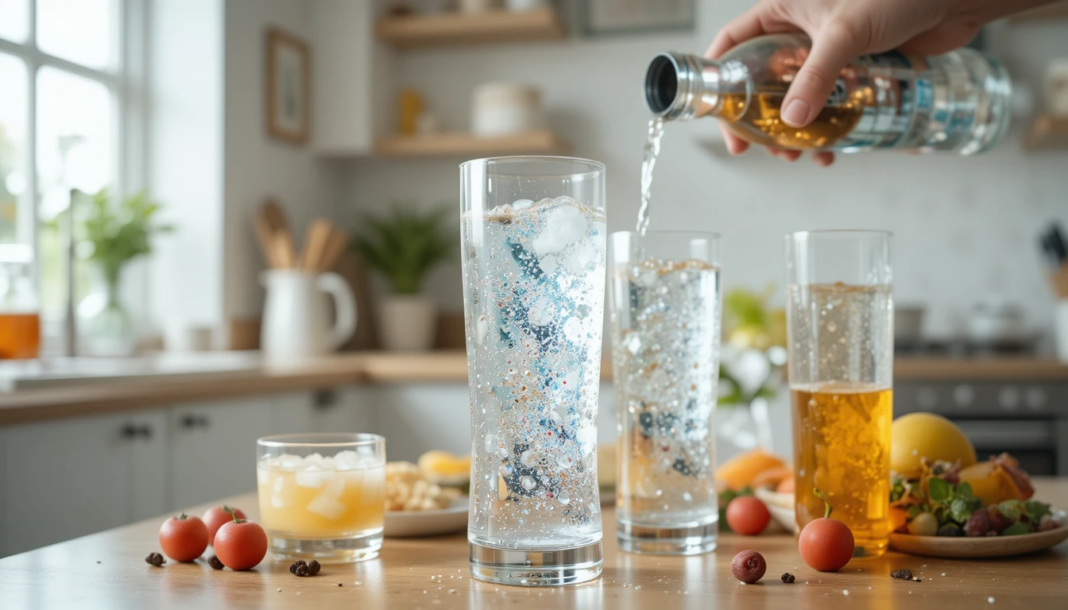
Plain sparkling water is only mildly acidic and, for most people, is not bad for their teeth when drunk in sensible amounts. It is far less erosive than fruit juice, cola or other fizzy drinks. The risk rises when sparkling water is flavoured with citric acid, sweetened, or sipped slowly all day long.
The worry is understandable. Carbonation changes the chemistry of water, and dentists regularly warn about acid erosion. This UK guide explains what actually happens to enamel when you drink fizzy water, how different drinks compare, and the simple habits that let you enjoy the bubbles without wearing your teeth down.
The Chemistry of Carbonation: Why the Question Arises
Sparkling water is made by dissolving carbon dioxide gas in water under pressure. Some of that gas reacts with the water to form carbonic acid, a weak acid that gives fizzy water its slightly sharp, tangy taste. Naturally sparkling mineral waters carry dissolved carbon dioxide from their underground source, while most supermarket and home-carbonated waters have it added.
Carbonic acid is unstable. Once a bottle is opened and the gas escapes, the water gradually becomes less acidic, which is why flat sparkling water tastes much closer to still water.
The pH Scale and Enamel
Tooth enamel is the hardest substance in the human body, but acid can still soften it. Enamel starts to dissolve when the pH at the tooth surface drops below a “critical pH” of roughly 5.5. The lower the pH and the longer teeth are exposed, the greater the potential for erosion.
- Still water: neutral, around pH 7.0.
- Plain sparkling water: usually somewhere between about pH 3 and 5, depending on the brand, mineral content and how much gas it contains.
- Stomach acid: extremely acidic, around pH 1 to 2, which is why reflux and frequent vomiting are well-known causes of erosion.
Because sparkling water often sits below the 5.5 threshold, it is reasonable to ask whether it harms teeth. However, pH alone does not tell the whole story. Carbonic acid is weak, it does not cling to teeth for long, and the minerals in many sparkling waters, particularly calcium, appear to blunt its effect. In practical terms, plain fizzy water behaves far more gently than its pH figure suggests.
Sparkling Water vs Other Popular Drinks

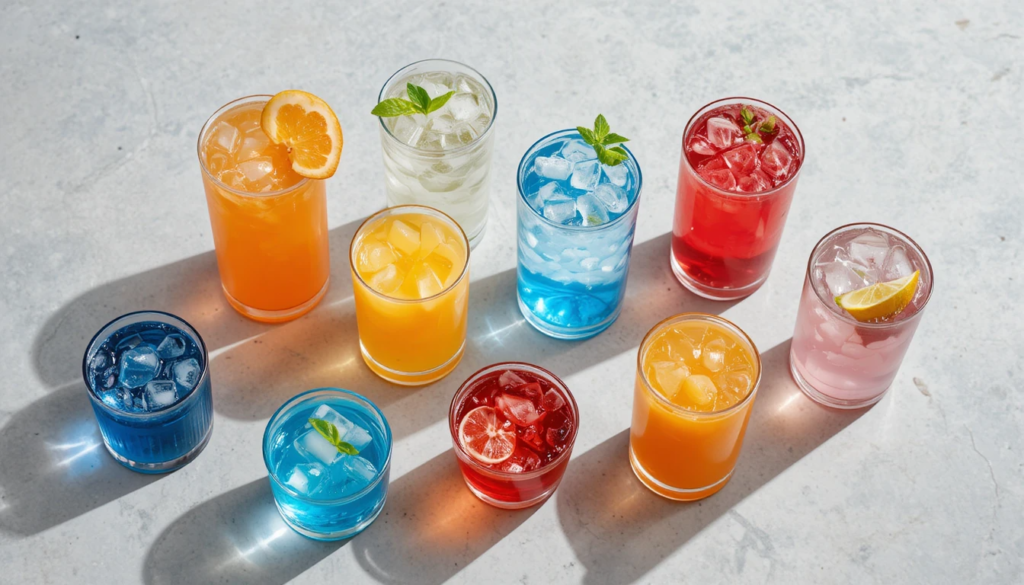
Not all fizzy drinks are equal. When thinking about dental health, the key distinction is between plain sparkling water and its flavoured or sweetened counterparts. The figures below are approximate typical ranges; exact values vary from brand to brand.
| Drink | Approx. pH | Sugar | Erosion risk | Decay risk | Sensible habit |
|---|---|---|---|---|---|
| Still tap water | About 7 | None | None | None | Drink freely |
| Plain sparkling water | About 3 to 5 | None | Low | None | Fine in moderation, ideally with meals |
| Flavoured sparkling water | Often 3 to 4 | Usually none, check label | Moderate | Low unless sweetened | Limit, avoid sipping all day |
| Fruit juice | About 3 to 4 | High (free sugars) | Moderate to high | High | Small glass with a meal |
| Diet cola | About 2.5 to 3.5 | None | Moderate to high | Low | Occasional only |
| Regular cola and fizzy drinks | About 2.5 to 3 | High | High | High | Avoid regular use |
Plain sparkling water is far closer to still water than to the drinks dentists most often blame for tooth damage. The bigger problems come from the combination of strong acids and sugar, which can cause both erosion and decay.
Flavoured Sparkling Water and Citric Acid
The picture changes once flavour is added. Many popular UK brands sell “hint of lemon”, lime or berry varieties, and these often contain citric acid or other fruit acids to sharpen the taste.
Why Flavours Make a Difference
Citric acid is considerably more erosive to enamel than carbonic acid. It can bind to calcium in the tooth surface, pulling minerals away even after the drink has been swallowed. Even sugar-free flavoured waters can soften enamel, leaving it more vulnerable to wear from brushing and chewing. If you drink these every day, especially between meals, the honest answer to “is sparkling water bad for your teeth?” leans closer to yes.
A quick check of the ingredients list helps. Look for words such as citric acid, malic acid or phosphoric acid, as well as any added sugar or fruit juice. The shorter the list, the kinder the drink is likely to be to your teeth.
What UK Dental Advice Says
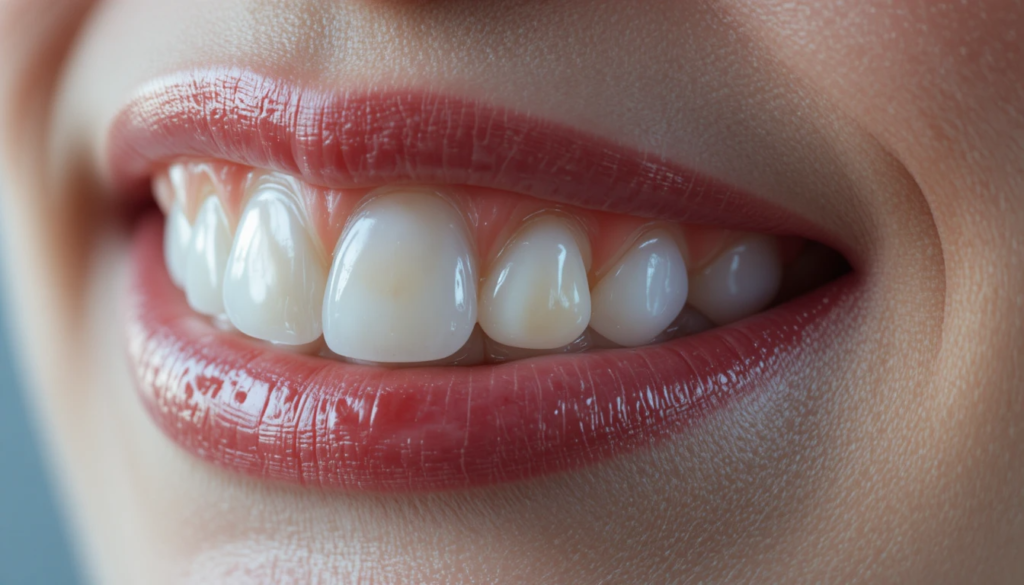
UK dental guidance generally treats water as the best drink for teeth and focuses its warnings on sugary and acidic drinks. Plain carbonated water drunk in moderation is not normally singled out as a concern, but dentists do advise caution with flavoured varieties and with frequent sipping of any acidic drink.
Saliva: The Body’s Natural Defence
Your mouth has its own protection system. Saliva contains calcium and phosphate, which help remineralise enamel, and bicarbonate, which buffers and neutralises acid.
- Saliva flow: drinking and eating stimulate saliva, which starts washing acids away.
- Neutralising: saliva can usually bring the mouth back towards neutral fairly quickly after a glass of plain sparkling water.
- Repair: between acid attacks, minerals in saliva help strengthen softened enamel.
The problem is frequency. Sipping a fizzy drink on and off for hours, the so-called drip-feed effect, stops saliva from ever restoring a neutral pH. That repeated exposure, rather than a single glass, is where real erosion risk comes from.
Safe Drinking Habits: How to Enjoy the Fizz
You do not need to give up sparkling water to keep a healthy smile. Changing how you drink it removes most of the risk:
- Drink it with meals. Eating boosts saliva flow, which helps neutralise acid.
- Finish it rather than nursing it. One glass in a single sitting is better than sipping a bottle across an afternoon.
- Use a straw for flavoured versions. A reusable straw directs liquid past the front teeth and reduces contact with enamel.
- Rinse with still water afterwards. A quick swish of tap water helps clear residual acid.
- Wait before brushing. Acid temporarily softens enamel, so brushing straight away can wear it down. Leave it for at least 30 minutes, ideally closer to an hour.
- Choose plain over flavoured. Unflavoured sparkling or mineral water is always the gentler option.
- Chew sugar-free gum. It encourages saliva, which supports natural repair after acidic drinks.
Signs Your Enamel May Be Wearing
Erosion develops slowly and is easy to miss. Mention it to your dentist if you notice any of the following:
- Sensitivity to hot, cold or sweet foods and drinks
- Teeth that look more yellow as the enamel thins and the dentine shows through
- Front teeth edges that appear slightly see-through
- Small dips or a smooth, shiny look on the biting surfaces
Using a fluoride toothpaste twice a day and spitting rather than rinsing after brushing helps keep the fluoride on your teeth for longer, which supports enamel strength.
Myth vs Reality: Sparkling Water, Bones and Calcium
Some people believe carbonation leaches calcium from bones or teeth. The evidence does not support this for plain sparkling water. Concerns arose largely from research on colas, which contain phosphoric acid and are often drunk in place of milk. Plain carbonated water does not contain phosphoric acid, and many mineral waters actually add a little calcium to your diet.
If you have specific concerns about tooth sensitivity, enamel wear or bone health, speak to your dentist or GP, who can assess your individual risk.
Bottom Line: Is Sparkling Water Bad for Your Teeth?
Plain sparkling water is a good alternative to sugary and acidic soft drinks. It is a little more acidic than still water, but the risk to a healthy mouth is small, especially compared with cola, energy drinks and fruit juice. Stick mainly to unflavoured varieties, drink them with meals rather than sipping all day, wait before brushing, and keep up regular check-ups with your NHS or private dentist.
For more wellbeing reading, see our look at Mounjaro weight loss injections or explore our Health category.
FAQs
Is sparkling water bad for your teeth compared to still water?
Sparkling water is slightly more acidic than still water, so it can have a minor effect on enamel. For most people the risk is low when it is drunk in moderation, especially with meals.
Is flavoured sparkling water worse for teeth?
Yes. Flavoured varieties often contain citric acid or other fruit acids, which are more erosive than the carbonic acid in plain fizzy water. Check the label and treat them more like a soft drink than water.
How much sparkling water is safe to drink each day?
There is no official limit for plain sparkling water. A glass or two a day, ideally with meals and without constant sipping, is unlikely to cause problems for a healthy mouth with good oral hygiene.
Should I brush my teeth straight after drinking sparkling water?
No. Acid temporarily softens enamel, so wait at least 30 minutes before brushing. Rinsing with still water in the meantime helps clear residual acid.
Is sparkling mineral water better for teeth than soda water?
Mineral waters that are naturally rich in calcium may be slightly gentler on enamel, because the minerals help buffer the acid. Either option is far better for teeth than fizzy soft drinks or juice.