
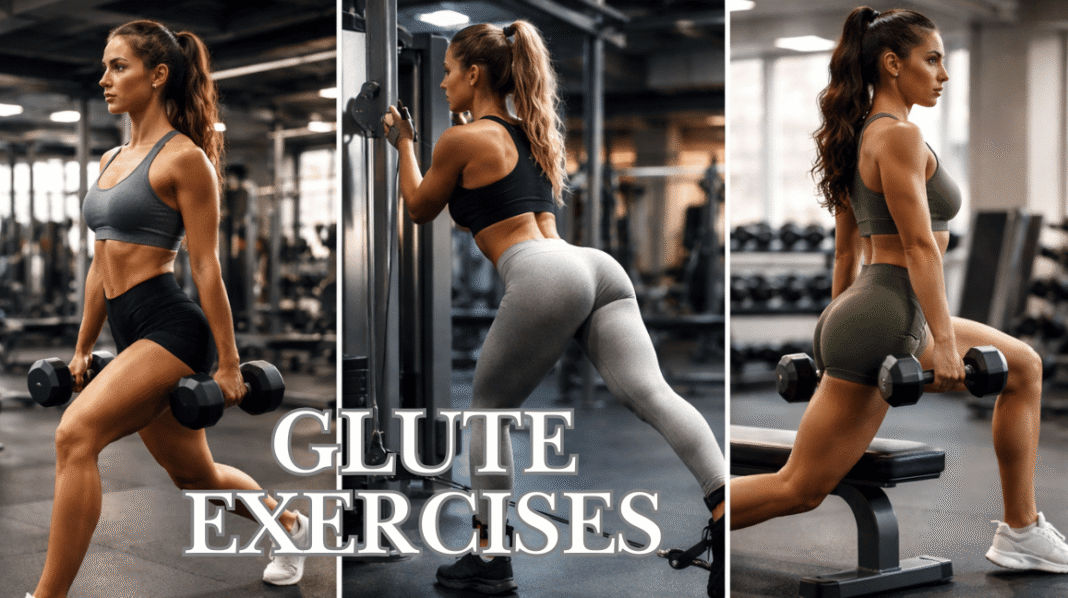
Strong, sculpted glutes are not only aesthetic; they play a major role in posture, athletic performance, lower-body strength, and injury prevention. Whether your goal is to build a rounder shape, improve strength, or enhance overall fitness, targeted glute exercises are essential for achieving real, long-lasting results.
Strong glutes help you move better, lift heavier, and perform daily activities with greater ease and stability, making them one of the most important muscle groups in the body to train. This complete guide to glute exercises will take you through everything you need to know about effective glute development, including anatomy basics, proven training principles, the best exercises for maximum growth, structured workout plans, and expert tips to help you build powerful, firm, and well-defined glutes.
| Section | Overview |
| Introduction | Summarizes the importance of consistency and proper training |
| What are Glute Exercises? | Defines glute exercises and their role in muscle development |
| Benefits of Glute Training | Highlights posture improvement, strength, balance, and performance gains |
| Glute Muscles Anatomy | Describes gluteus maximus, medius, and minimus functions |
| Key Principles for Growth | Covers overload, form, frequency, recovery, and mind-muscle connection |
| Isolation Exercises | Focuses on shaping exercises like kickbacks, frog pumps, and abductions |
| Activation Exercises | Warm-up movements to activate glutes before workouts |
| Compound Exercises | Main strength-building lifts like squats, hip thrusts, and deadlifts |
| Workout Plan | Structured routines for strength, activation, and hypertrophy |
| Nutrition Tips | Diet guidance for muscle growth and recovery |
| Growth Tips | Strategies for faster and more effective glute development |
| Common Mistakes | Errors that slow progress or reduce results |
| Conclusion | Summarizes the importance of consistency and proper training |
What are Glute Exercises?
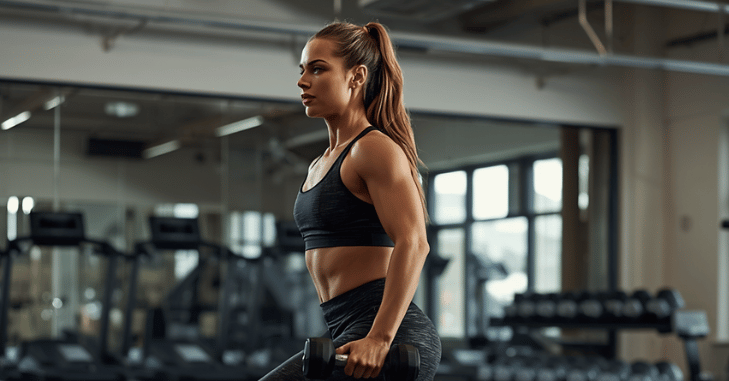
Glute exercises are targeted strength training movements designed to activate, strengthen, and develop the muscles of the buttocks, including the gluteus maximus, gluteus medius, and gluteus minimus.
These exercises help improve lower-body strength, enhance muscle tone, and create a more lifted and sculpted appearance of the glutes. Common glute exercises include squats, hip thrusts, lunges, and glute bridges, which work together to build size, power, and stability.
Regularly performing glute exercises not only improves physical aesthetics but also supports better posture, reduces the risk of injury, and enhances overall athletic performance.
Benefits of Glute Training
- Improved posture and spinal alignment
- Reduced risk of lower back pain
- Enhanced athletic performance (running, jumping, lifting)
- Better hip stability and balance
- Stronger lower-body power and endurance
- Improved calorie burning due to large muscle activation
Understanding the Glute Muscles
Before training effectively, it is important to understand what you are working on. The glutes are made up of three main muscles that work together to create strength, stability, and shape.
Gluteus Maximus
The Gluteus Maximus is the largest muscle in the human body. It is the primary muscle responsible for hip extension and powerful lower-body movements such as running, jumping, and lifting. This muscle also plays a major role in creating the overall size, roundness, and shape of the buttocks.
Gluteus Medius
The Gluteus Medius is located on the upper side of the hip and is essential for stability and balance. It helps control the movement of the pelvis during walking, running, and single-leg exercises. A well-developed Gluteus Medius contributes significantly to the “lifted” and sculpted appearance of the glutes.
Gluteus Minimus
The Gluteus Minimus is the deepest and smallest of the three glute muscles. Despite its size, it plays an important role in supporting hip movement and maintaining proper posture. It assists in stabilizing the pelvis during activities like walking, running, and changing direction.
Key Principles for Glute Growth
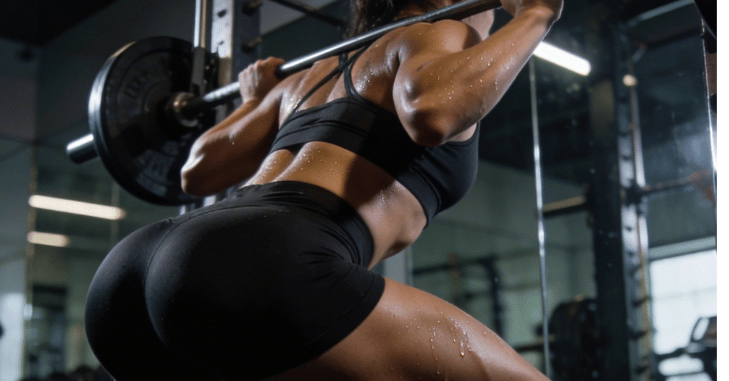
Progressive Overload
- Increase in weight over time
- Add more reps or sets gradually
- Make workouts more challenging step by step
Mind-Muscle Connection
- Focus on feeling the glutes during every rep
- Slow down movements for better activation
- Avoid rushing through exercises
Proper Form
- Keep correct posture in all exercises
- Do not let your lower back take over
- Engage glutes throughout the movement
Training Frequency
- Train glutes 2–4 times per week
- Allow balanced rest between sessions
- Maintain a consistent weekly schedule
Recovery
- Take rest days for muscle repair
- Get enough sleep for growth
- Avoid overtraining for better results
Isolation Exercises for Sculpting Glutes
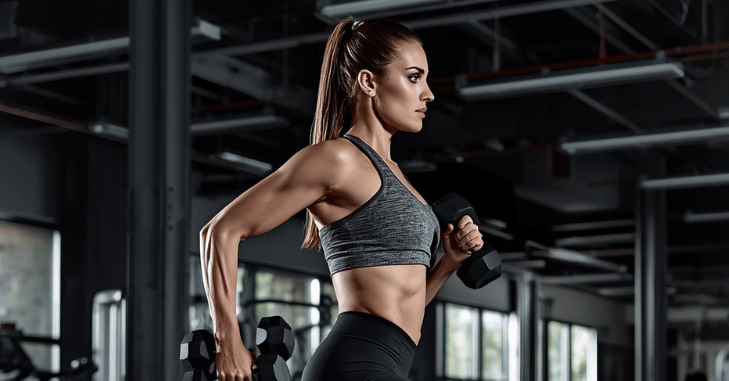
Isolation exercises are essential for refining the shape and definition of the glutes. Cable kickbacks provide direct glute isolation and help improve muscle definition by targeting the glute muscles with controlled movement. Frog pumps are a high-repetition burn exercise that enhances the glute pump and increases muscle endurance for better activation.
The abduction machine specifically targets the gluteus medius, helping create a more lifted and rounded appearance while also improving hip stability. Single-leg glute bridges are highly effective for correcting muscle imbalances and increasing activation intensity, ensuring both sides of the glutes develop evenly and efficiently.
Best Glute Activation Exercises
Glute Bridges
- Activates glute muscles
- Improves mind-muscle connection
Banded Side Walks
- Targets the glute medius
- Improves hip stability
Clamshells
- Strengthens deep glute muscles
- Enhances control and balance
Donkey Kicks
- Isolates the glute max
- Builds activation before lifting
Best Compound Glute Exercises for Maximum Growth
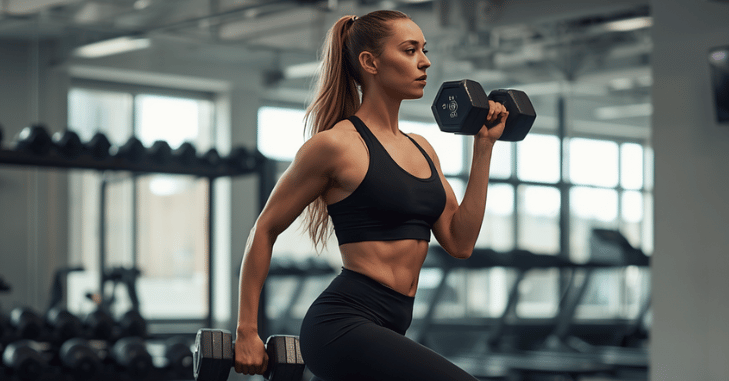
Compound exercises are essential for building size, strength, and overall shape in the glutes. These movements engage multiple muscle groups at once, allowing for better muscle development and functional strength.
Squats
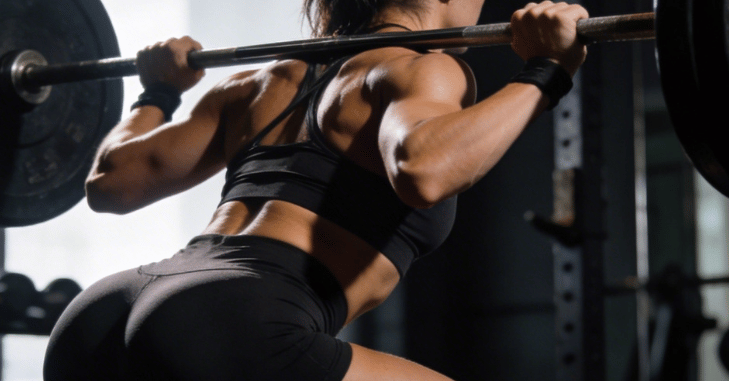
Squats are considered the king of lower-body exercises and are a foundational movement for glute development. They help build overall glute mass, strengthen the quads and hamstrings, and improve core stability. For best results, go deep into each squat to maximize glute activation while keeping your chest up and core tight throughout the movement.
Hip Thrusts
Hip thrusts are one of the most effective exercises for direct glute growth. They provide maximum glute contraction, help build roundness and lift, and isolate the gluteus maximus more than many other movements. To enhance results, pause at the top for 2 seconds and use a padded barbell for added comfort and control.
Deadlifts
Deadlifts are a powerful full-body exercise that strongly activates the glutes and posterior chain. They help build strength in the hamstrings and lower back, improve hip hinge mechanics, and enhance overall athletic power. Proper form is crucial—keep your back neutral and focus on pushing your hips back rather than down.
Lunges
Lunges are excellent for improving symmetry, balance, and overall glute definition. They target each leg individually, helping correct muscle imbalances while also improving coordination. Popular variations include walking lunges, reverse lunges, and Bulgarian split squats, all of which effectively engage the glutes in slightly different ways.
Step-Ups
Step-ups are a simple yet highly effective glute-building exercise. They build unilateral strength, deeply activate the glutes, and improve overall stability. By stepping onto an elevated surface with control, you ensure strong glute engagement and better lower-body coordination.
Sample Glute Workout Plan
Strength Focus
- Barbell Squats:4 sets x 8 reps
- Hip Thrusts:4 sets x 10 reps
- Romanian Deadlifts:3 sets x 10 reps
- Walking Lunges:3 sets x 12 reps
Activation & Shape
- Glute Bridges:3 sets x 15 reps
- Cable Kickbacks:3 sets x 12 reps
- Banded Side Walks: 3 sets x 20 steps
- Abduction Machine:3 sets x 15 reps
Hypertrophy & Burn
- Bulgarian Split Squats: 4 sets x 10 reps
- Step-Ups:3 sets x 12 reps
- Frog Pumps: 3 sets x 20 reps
- Donkey Kicks:3 sets x 15 reps
Nutrition Tips for Glute Growth

- Supports muscle repair and growth
- Sources: chicken, eggs, fish, lentils, whey protein
Healthy Carbs for Energy
- Fuel intense workouts
- Sources: rice, oats, potatoes, fruits
Healthy Fats
- Supports hormone balance
- Sources: nuts, olive oil, avocado
Stay Hydrated
- Improves muscle performance
- Aids recovery
Tips for Faster Glute Growth
To maximize results and achieve noticeable glute development, it is important to follow a smart and consistent training approach. These expert tips will help you speed up muscle growth and improve overall results.
Train Glutes at Least 2–3 Times Per Week
For optimal growth, make sure to train your glutes at least 2–3 times per week. This frequency provides enough stimulus for muscle development while still allowing proper recovery between sessions. Consistency is key to seeing long-term improvements in strength and shape.
Focus on Slow, Controlled Movements
Performing exercises with slow and controlled movements helps increase muscle tension and improve glute activation. Avoid rushing through reps and instead focus on maintaining proper form throughout each phase of the movement for better muscle engagement.
Hold Peak Contraction During Exercises
At the top of each movement, especially in exercises like hip thrusts and glute bridges, hold the peak contraction for a few seconds. This intensifies muscle activation and helps build stronger, more defined glutes over time.
Mix Heavy Lifting with High-Rep Burn Sets
Combine heavy resistance training with high repetition burn sets to target both strength and muscle endurance. Heavy lifts build size and power, while high-rep sets enhance definition and improve muscle endurance for a more sculpted look.
Track Progress Weekly
Monitoring your progress each week is essential for staying on track. Keep a record of weights, reps, and improvements in strength or shape. This helps you adjust your workouts and ensures continuous growth over time.
Common Mistakes to Avoid
- Using too much weight with poor form
- Ignoring glute activation warm-ups
- Overtraining without recovery
- Not progressively increasing resistance
- Relying only on squats (neglecting hip thrusts)
Conclusion
Glute exercises are essential for building strong, lifted, and well-shaped glutes that not only enhance your appearance but also improve overall strength, posture, and athletic performance.
By combining proper activation techniques, compound movements, isolation exercises, and consistent progressive overload, you can effectively target all areas of the glutes for maximum growth.
Along with smart nutrition, recovery, and disciplined training, sticking to a structured glute workout plan will lead to long-term, sustainable results. Remember, consistency is the key when performed correctly; glute exercises can transform both your lower-body strength and physique over time.
Want to know about 8 Factors That Matter When Selecting Dental Care Check out our Fitness category.
FAQs
You may feel the use of your glute muscles by using the Glute Bridge. Additionally, it provides additional lower back support, which many patients require to manage their scoliosis.
You need to perform a lot of hip stability exercises to cure weak glutes,” he explains. Exercises involving just one leg are an excellent illustration.
According to Dunn, “poor posture is usually the first sign of gluteal weakness, which will eventually lead to lower back pain.”