
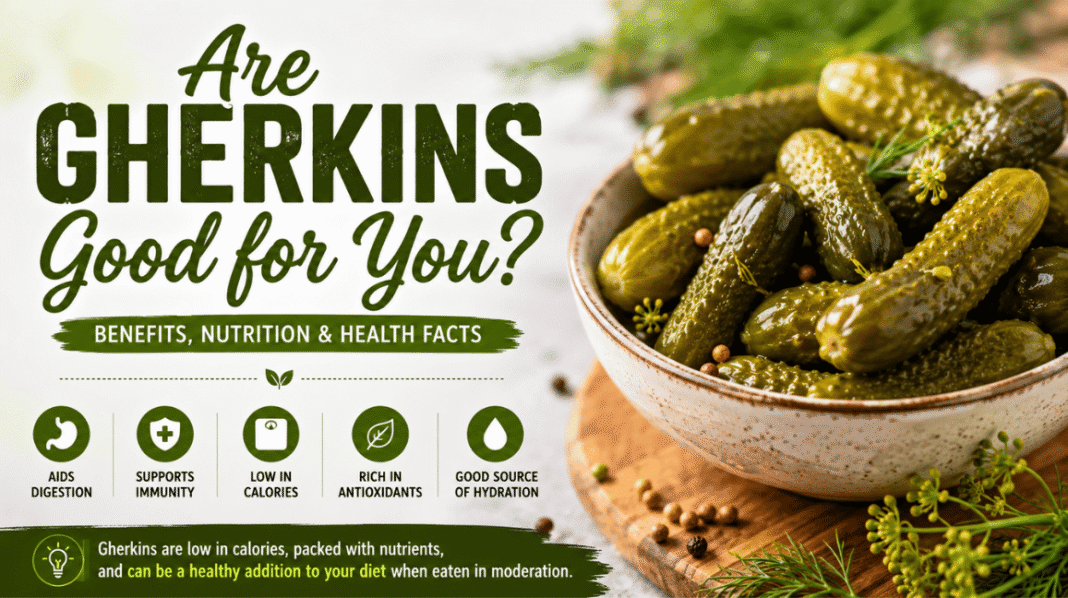
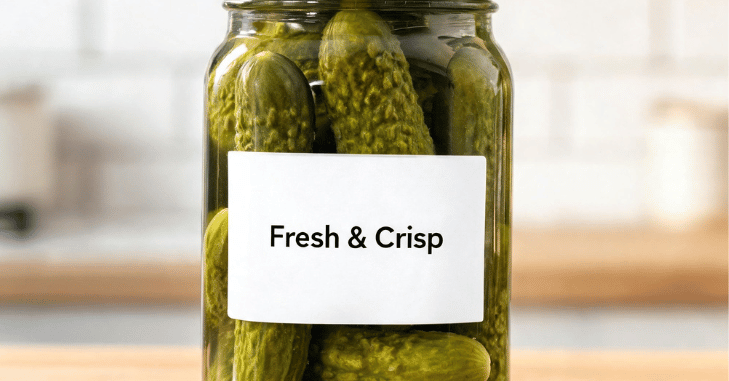
Gherkins are small cucumbers specially grown for pickling, and Are Gherkins Good for You is a common question because of their crisp texture, tangy flavor, and refreshing crunch. They are usually harvested early before reaching full size, which helps them stay firm and juicy rather than soft and watery.
After harvesting, they are preserved using vinegar or saltwater brine along with herbs, spices, and sometimes a small amount of sugar, which gives them their distinctive sour and savory taste. This pickling process not only extends their shelf life but also transforms their flavor, making gherkins a popular addition to burgers, sandwiches, salads, and snack platters around the world.
| Section | Key Points |
| What Are Gherkins? | Small cucumbers pickled in vinegar or brine; crunchy, tangy snack food |
| Types of Gherkins | Vinegar-pickled (common, tangy) and fermented (may contain probiotics) |
| Nutrition Facts | Low calorie, low fat, high water, but often high in sodium |
| Health Benefits | Are Gherkins Good for You? Yes, when eaten in moderation, it’s best in low-sodium or fermented forms |
| Gut Health | Fermented gherkins may contain probiotics; vinegar types usually don’t |
| Weight Loss | Low-calorie, low-carb snack that helps reduce cravings |
| Sodium Content | High sodium may cause bloating, high BP, and water retention |
| Side Effects | Cucumbers are more hydrating & low-sodium; gherkins are more flavorful & preserved |
| Fresh Cucumbers vs Gherkins | Possible bloating, acid reflux, sugar in some varieties, and an impact on tooth enamel |
| How to Eat | In sandwiches, salads, wraps, grain bowls, or with protein snacks |
| Choosing Healthy Options | Prefer low-sodium, fermented, low-sugar varieties |
| Who Should Limit | People with high blood pressure, acid reflux, or low-sodium diets |
| Final Verdict | Are Gherkins Good for You? Yes, when eaten in moderation best in low-sodium or fermented forms |
What Are Gherkins Good for You?
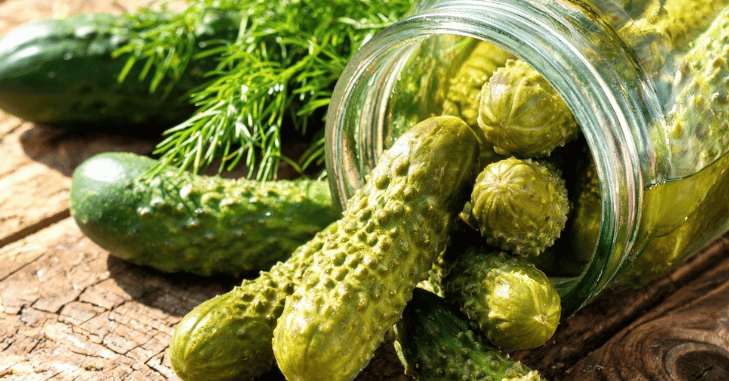
Gherkins are good for you when eaten in moderation because “Are gherkins good for you?” is often asked due to their low calorie content, useful nutrients, and ability to support hydration, digestion, and weight management.
Especially in fermented form, they may also provide probiotics that help promote gut health, while their high water content and crunchy texture make them a satisfying and refreshing snack. However, their benefits depend on how they are prepared, as some varieties can be high in sodium or added sugar, so choosing healthier options is important for maximizing their positive effects.
Types of Gherkins
Vinegar-Pickled Gherkins
Vinegar-pickled gherkins are the most common type available in supermarkets and grocery stores. These gherkins are preserved in a mixture of vinegar, salt, herbs, and spices, which gives them their sharp, tangy flavor and crunchy texture. Because they are quick to produce and have a long shelf life, they are widely used in burgers, sandwiches, salads, and snacks.
Fermented Gherkins
Fermented gherkins are made by placing cucumbers in a saltwater brine and allowing natural fermentation to occur over time. During this process, beneficial bacteria develop naturally, which may help support gut health and digestion. Fermented gherkins usually have a more complex sour flavor and are often considered healthier because they can contain natural probiotics.
Nutrition Facts of Gherkins
Gherkins are generally low in calories and fat, making them a light snack option. However, they can also contain high sodium levels because of the pickling process.
Average Nutrition in One Small Gherkin
- Calories: 4–10
- Carbohydrates: 1–2 grams
- Sugar: 0–1 gram
- Fiber: Small amounts
- Fat: Almost none
- Protein: Less than 1 gram
- Sodium: 200–500 mg
- Water content: Very high
Vitamins and Minerals Found in Gherkins
- Vitamin K
- Vitamin C
- Potassium
- Calcium
- Magnesium
- Antioxidants
Health Benefits of Gherkins
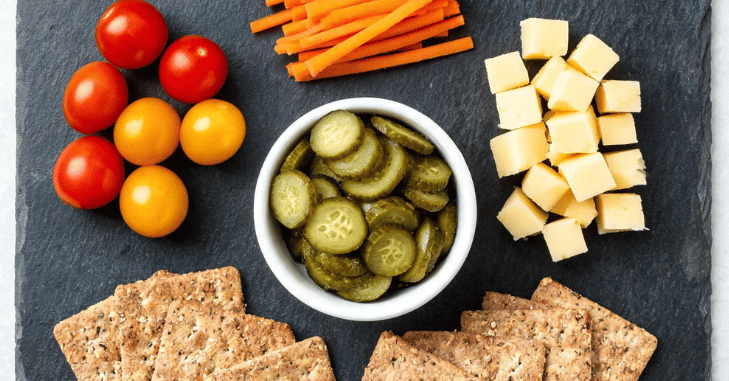
Gherkins may provide several health benefits when eaten in moderation. Their low-calorie content, high water levels, and pickling process make them a popular addition to many diets.
Low in Calories and Helpful for Weight Loss
One of the biggest advantages of gherkins is their low-calorie content. They can add flavor and crunch to meals without significantly increasing daily calorie intake, making them a useful option for people trying to manage their weight.
Why They May Help With Weight Loss?
- Low-calorie snack option
- Can reduce cravings for unhealthy snacks
- Provide crunch and flavor without excess fat
- Suitable for low-carb and keto diets
May Support Gut Health
Fermented gherkins may contain probiotics, which are beneficial bacteria that support digestive health and help maintain a balanced gut microbiome.
Potential Gut Health Benefits
- Support healthy digestion
- Help maintain balanced gut bacteria
- May improve bowel regularity
- Support immune system function
Rich in Antioxidants
Gherkins contain antioxidants that help protect the body’s cells from damage caused by free radicals. These compounds may support overall health and reduce oxidative stress.
Antioxidants Found in Gherkins
- Vitamin C
- Beta-carotene
- Plant compounds from cucumbers
- Herbs and spices used in pickling
Can Help with Hydration
Like fresh cucumbers, gherkins contain a high amount of water, which may help support hydration levels in the body.
Hydration Benefits
- Contain a large amount of water
- Provide electrolytes such as sodium and potassium
- May help replenish fluids after sweating
May Help Control Blood Sugar Spikes
Some studies suggest that vinegar-based foods may help improve blood sugar control after meals by slowing the digestion of carbohydrates.
Possible Blood Sugar Benefits
- Vinegar may slow the digestion of carbohydrates
- Could reduce rapid blood sugar spikes
- May improve insulin sensitivity temporarily
Supports Bone Health
Gherkins contain small amounts of vitamin K, which plays an important role in bone health and proper blood clotting.
Vitamin K Benefits
- Supports strong bones
- Helps maintain healthy blood clotting
- May contribute to bone density
Are Gherkins Good for Gut Health?
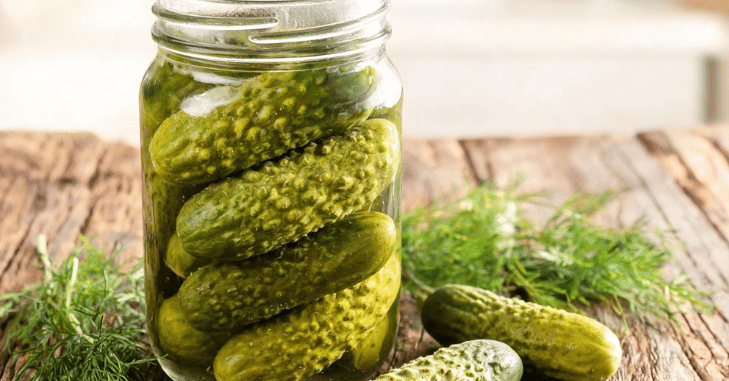
Gut health is one of the most widely discussed benefits of fermented foods, including certain types of gherkins, as fermented varieties contain live bacteria that may provide probiotic benefits and support better digestive health, while vinegar-pickled gherkins usually do not contain probiotics and are mainly valued for their tangy flavor and low-calorie content.
Are Gherkins Good for Weight Loss?
Gherkins can fit well into many weight-loss diets because they are low in calories and carbohydrates.
Reasons Gherkins Are Popular in Diet Plans
- Low-calorie food
- Minimal fat content
- High crunch factor helps satisfy cravings
- Can replace calorie-dense snacks
Sodium Content in Gherkins
One of the biggest concerns surrounding gherkins is their high sodium content, which comes from the salt used in the pickling process to preserve flavor and extend shelf life.
Why Sodium Matters
Too much sodium in the diet may contribute to several health issues, especially when consumed in excess over time. It can lead to high blood pressure, increased water retention, and bloating and may raise the risk of heart disease in some individuals.
Tips to Reduce Sodium Intake
To manage sodium intake while still enjoying gherkins, it is helpful to choose low-sodium varieties, eat smaller portions, balance your diet with fresh fruits and vegetables, and drink plenty of water throughout the day.
Possible Side Effects of Gherkins
Although gherkins can offer benefits, there are also potential drawbacks to consider.
High Sodium Intake
Eating too many gherkins can significantly increase sodium intake.
Possible Effects
- Increased thirst
- Bloating
- Elevated blood pressure
- Water retention
Digestive Discomfort
Some people may experience digestive issues after eating pickled foods.
Possible Symptoms
- Bloating
- Gas
- Stomach irritation
- Acid reflux
Added Sugar in Sweet Gherkins
Certain commercial gherkins contain added sugar.
Why This Matters
- Extra calories
- Increased sugar intake
- Less suitable for low-carb diets
Tooth Enamel Concerns
Because pickled foods are acidic, excessive consumption may affect tooth enamel over time.
Ways to Protect Teeth
- Rinse your mouth with water afterward
- Avoid brushing immediately after acidic foods
- Consume in moderation
Are Gherkins Better Than Fresh Cucumbers?
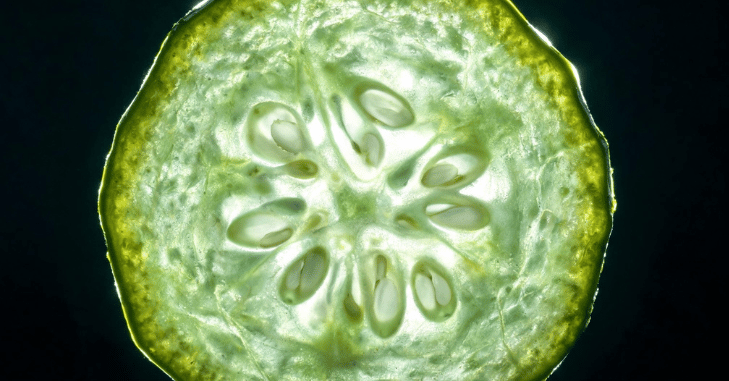
Are Gherkins Good for You? Both gherkins and fresh cucumbers offer health benefits, but they serve different purposes in the diet, as fresh cucumbers are lower in sodium, provide higher natural hydration, and are less processed, while gherkins are more flavorful, have a longer shelf life, and may even contain probiotics if they are fermented.
How to Include Gherkins in a Healthy Diet
Gherkins can be part of a balanced diet when consumed sensibly, as they add a tangy flavor, crunchy texture, and refreshing contrast to many meals without significantly increasing calorie intake. They are especially useful for enhancing simple dishes and making healthier meals more enjoyable.
Add to Sandwiches and Burgers
Gherkins can be added to sandwiches and burgers to improve both taste and texture. Their tangy flavor cuts through richer ingredients like cheese, sauces, and meats, helping to balance the overall taste of the meal. They also provide a satisfying crunch, making even simple sandwiches feel more flavorful and filling.
Slice into Salads
Sliced gherkins work well in salads by adding a sharp, slightly sour taste that complements fresh vegetables. They can enhance basic green salads, potato salads, or mixed vegetable bowls, making them more interesting and flavorful without adding many calories or fat.
Pair with Lean Protein Snacks
Are Gherkins Good for You? Gherkins pair nicely with lean protein snacks such as grilled chicken, boiled eggs, tuna, or low-fat cheese. This combination helps create a more balanced snack that includes protein for fullness and gherkins for flavor, making it a good option for people trying to manage weight or reduce unhealthy snacking.
Use in Wraps and Grain Bowls
Gherkins can also be included in wraps and grain bowls to add a tangy kick and extra crunch. They work especially well with ingredients like rice, quinoa, hummus, or roasted vegetables, helping to brighten the flavor profile of the dish while keeping it light, healthy, and satisfying.
Tips for Choosing Healthier Gherkins
Not all gherkins are equally healthy.
What to Look For
Better Choices
- Low-sodium options
- Naturally fermented varieties
- Minimal added sugar
- Short ingredient lists
Limit
- Extremely salty brands
- Sweetened varieties with high sugar
- Artificial additives
Who Should Be Careful With Gherkins?
Certain individuals may need to limit their intake.
People Who Should Monitor Consumption
- Individuals with high blood pressure
- Those sensitive to sodium
- People with acid reflux
- Individuals on low-salt diets
Conclusion
Are Gherkins Good for You? Overall, gherkins can be a healthy addition to your diet when eaten in moderation, as they are low in calories, refreshing, and may support weight management, hydration, and digestion, especially in fermented forms that offer probiotic benefits.
However, their high sodium content means they should be consumed carefully, particularly by individuals who are monitoring blood pressure or salt intake. When enjoyed as part of a balanced diet, gherkins can be a flavorful and nutritious snack that adds variety without significantly increasing calorie intake.
Apart from that, if you want to know more about Good morning Exercise: A Complete Guide to Building Strength, Stability, Power, and More Info them, visit our Health category.
FAQs
The number of pickles you eat each day depends on your overall diet
The high salt level of pickled gherkins can lead to indigestion and bloating. Water retention and elevated blood pressure are two more possible adverse effects.
When consumed in moderation, pickles can be a tasty, low-calorie snack that aids in weight loss.
In addition to understanding what to eat, patients should stay away from certain foods to prevent their gastritis from getting worse, like pickles, salted fish sauce, kimchi, and other pickled and salted foods.