
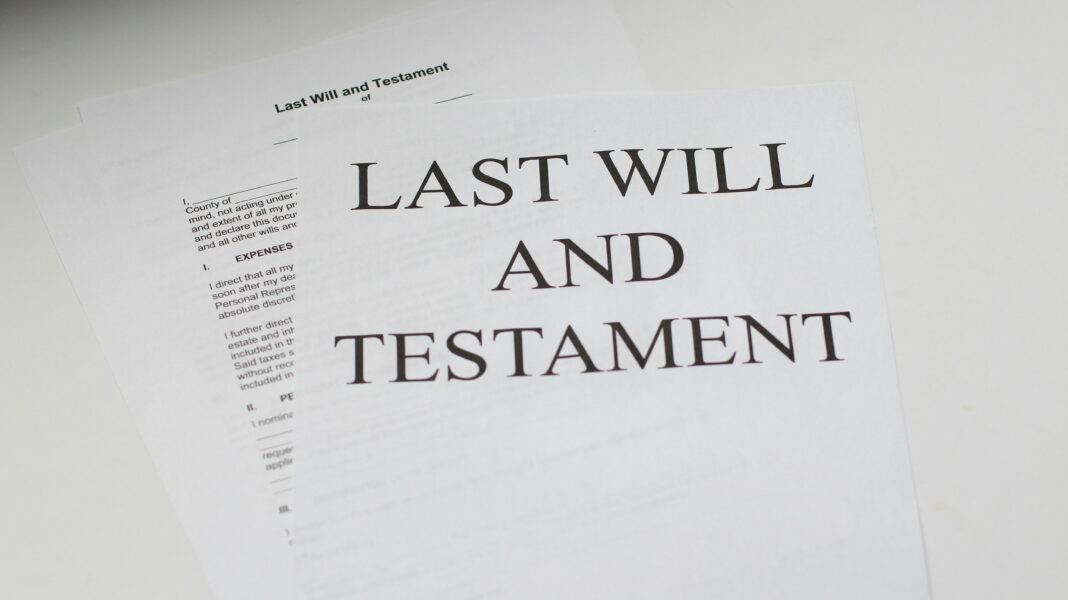
Navigating the complex world of probate can be daunting, especially when disputes arise. Probate disputes typically occur after a loved one’s passing, involving disagreements over the distribution of their estate.
Here are some things that may cause probate disputes.
Issues With Wills and Trusts
Wills and trusts are essential tools for estate planning, but they can also be sources of contention if not properly executed. One primary issue is the ambiguity in language. If a will or trust is not clearly written, it can lead to different interpretations among beneficiaries, resulting in disputes. Ensuring that legal documents are precise and unambiguous is crucial to avoiding misunderstandings. Another common cause of disputes is the existence of multiple versions of a will. If an individual has updated their will several times, determining which version is the final and legally binding document can be challenging. This situation often arises when a person neglects to clearly revoke previous versions, leading to confusion and potential litigation among heirs.
Mismanagement of Estate Assets
Mismanagement of estate assets is another frequent cause of probate disputes. Executors or trustees tasked with managing the estate have a fiduciary duty to act in the best interests of the beneficiaries. However, if they fail to fulfill this duty, it can lead to significant conflicts. Common issues include improper accounting, failure to distribute assets in a timely manner, or even fraudulent behavior. Disagreements often arise when beneficiaries feel that the executor is not handling the estate responsibly. This can include accusations of embezzlement, undervaluing property for personal gain, or failing to maintain transparency in financial matters. Some people may choose to consult a probate litigation attorney if they suspect mismanagement of estate assets.
Challenges to Testamentary Capacity
Testamentary capacity refers to the mental ability of an individual to make a valid will. Challenges to this capacity are a common cause of probate disputes, often arising when a will is drafted under questionable circumstances. If there is evidence suggesting that the deceased did not fully understand the implications of their decisions due to mental incapacity, the will may be contested. Several factors can contribute to doubts about testamentary capacity, including age-related cognitive decline, mental illness, or undue influence by another party. In these cases, it is essential to provide clear evidence, such as medical records or testimony from healthcare professionals, to support claims of incapacity.
Conclusion
Understanding the causes of probate disputes is the first step in preventing them. By addressing issues with wills and trusts, ensuring proper management of estate assets, and verifying testamentary capacity, you can significantly decrease the chances of conflict.