
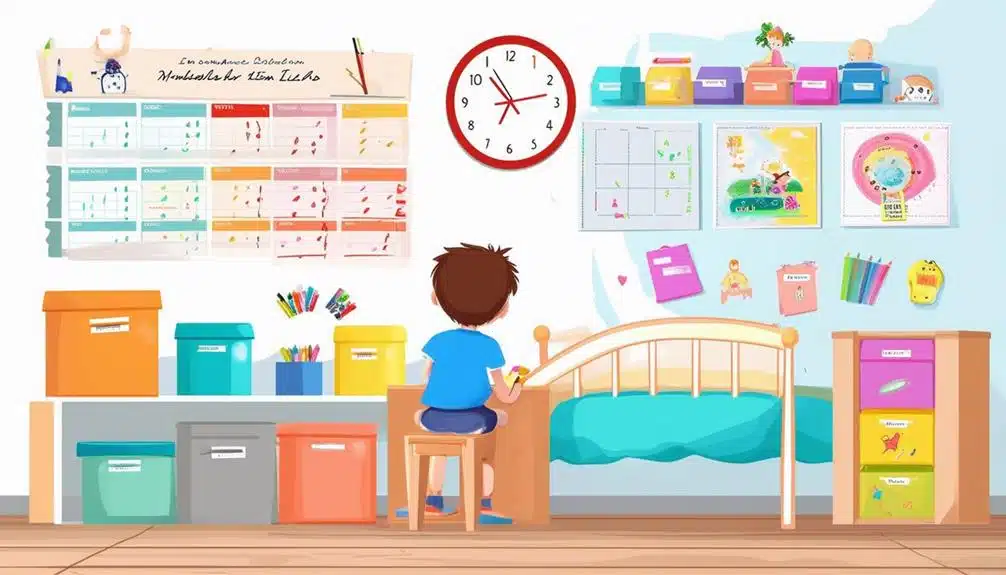
Morning routines set the tone for learning, and well-structured beginnings make the day calm, timely, and focused. Without clear processes, small delays accumulate, turning a few extra minutes into a scramble that drains energy before instruction even starts. By breaking the morning into distinct steps, limiting choices, and aligning timing among families and schools, everyone involved arrives prepared and ready to engage. Thoughtful planning reduces stress for students and staff, while consistent habits preserve attention for lessons rather than logistics. Over time, these practices transform hectic mornings into a reliable flow that fosters confidence, punctuality, and a positive mindset.
Wake Up Foundations
Consistent wake-up times and sleep schedules form the foundation of a productive morning. When students go to bed and rise at roughly the same hours each day, their bodies adapt, improving alertness and mood. Families can support this rhythm by setting bedtimes that align with homework and evening routines, using gradual light dimming in the hour before sleep, and employing gentle alarm tones that ease the transition to wakefulness. Morning light exposure also helps synchronize circadian rhythms, so leaving curtains open slightly or using soft lamps can boost readiness.
Schools play a role by coordinating start times with transportation availability and homeroom check-in procedures. When families confirm bus schedules or drop-off windows in advance, they can avoid last-minute adjustments. Posting opening hours and arrival guidelines on school websites or sending reminders via messaging apps keeps details visible. If a schedule change arises, early communication allows everyone to adjust routines rather than reacting chaotically. This alignment of home and school expectations strengthens punctuality, reduces anxiety, and builds trust that the day will begin smoothly.
Morning Decisions
Too many decisions in the first hour of the day overload young minds and invite procrastination. Students can alleviate this by choosing clothing, packing backpacks, and planning breakfast the night before. Treating these selections as defaults means only unusual circumstances require a change, preventing second-guessing over outfits, lunches, or library books. Limiting wardrobe options to a few school-approved combinations can streamline choices without stifling personal style.
Beyond apparel, decision reduction applies to technology and essentials. Students should charge devices overnight, set screens to minimal notifications during morning routines, and designate a single spot for school bags and lunch boxes. Families can establish automatic payment methods for meals and transportation to avoid digging for cash or fumbled digital transactions. When schools publish clear deadlines for permission slips and forms, parents can handle paperwork in advance. By front-loading these decisions, mornings become about action rather than indecision, leaving more mental bandwidth for last-minute study or quick review of assignments.
Organizing Physical Spaces
An orderly environment turns routine steps into efficient actions. Establishing a dedicated staging area near the exit complete with hooks for backpacks, bins for sneakers, and slots for signed forms ensures students can complete preparation tasks without searching. When every item has a home, missing supplies become apparent well before it is time to depart rather than mere minutes before the bell. A weekly reset helps prevent clutter from creeping back; clearing out old papers, replenishing pencils, and recycling outdated notes keeps the system fresh.
Parents can support this structure by labeling baskets and containers at home, matching school storage systems to reduce confusion. Ensuring clothes fit and shoes support safe movement prevents wardrobe checks from delaying departures. Within classrooms, tidy cubbies and numbered lockers reinforce this order. Simple visual cues such as colored tape or icons help younger students quickly identify their spaces. When everyone knows where belongings belong, collective stress diminishes, and the morning flow gains momentum.
Simple Time Flow
A smooth morning relies on a clear sequence everyone understands. Students map tasks into a fixed order—wake up, hygiene, dressing, breakfast, pack bag—and attach each cluster of actions to approximate time markers. Short buffers between steps absorb minor glitches, such as a misplaced textbook or a spilled glass of juice, without derailing the entire schedule. Grouping similar actions, like bathroom routines or laying out lunch, builds momentum as one task naturally leads to the next.
Limiting early morning screen time further streamlines this flow. Television, video games, and social media often distract or prolong routines. Reserving devices for specific updates such as school announcements or urgent alerts keeps students focused on forward motion. Playing upbeat music or engaging in quiet conversation can fuel energy without dragging tasks out. Clocks placed in visible spots allow families and students to monitor progress without constant reminders, fostering independence as children learn to self-regulate their pace.
Energy and Focus
Starting the day energized and centered supports both mood and learning. Gentle morning stretches, a glass of water, and a balanced first meal help the body and mind transition from rest to activity. Light, nutrient-rich foods such as fruit, whole grains, dairy, or plant-based alternatives provide sustained fuel without causing sluggishness. Slower eating paired with deep breathing or brief mindfulness exercises anchors attention, while a short walk around the yard or down the hallway offers circulation and clears grogginess.
To cement focus, students can review key points for the first class or visualize entering the room and greeting classmates. This mental rehearsal primes the brain for incoming tasks. Families can contribute by offering practical reminders rather than pointed corrections, fostering a supportive atmosphere. Within the school building, calm entry routines supported by a student safety tool reassure both learners and staff. Digital check-ins ensure every arrival is recorded and any concerns are promptly addressed, guiding attention from logistics to learning at a steady pace.
Family–School Coordination
Morning efficiency thrives when families and schools collaborate. Teachers can send weekly updates on special schedules such as assembly days, early dismissals, or field trips, allowing households to adjust alarm and departure times accordingly. Schools may provide simple checklists for required materials and forms shared via email or classroom apps. Bus drivers can relay minor delays to office staff, who then notify families to prevent extended wait times or confusion at pickup points.
Parents and guardians, in turn, can communicate any changes such as medical appointments, carpool swaps, or variations in morning routines to teachers ahead of time. This two-way exchange reduces surprises and ensures that each student receives a warm greeting and clear direction when they arrive. Consistent messaging reinforces trust in the system, making each morning start a collaborative effort rather than a solitary challenge.
Conclusion
Streamlining morning routines depends on solid foundations, reduced decisions, organized spaces, clear timing, and sustained energy. When students and families adopt simple, repeatable systems and adjust gently when changes occur, the school day begins with focus and momentum. Schools reinforce these habits through transparent schedules, practical reminders, and the integration of tools such as digital check-in systems. With friction minimized and attention preserved for learning, classes start on time and students’ step into the day with confidence and readiness.