Introduction
In recent years, the popularity of short-throw projectors has skyrocketed, making them a favored choice for home theaters, classrooms, and professional settings. Unlike traditional projectors, short-throw projectors offer flexibility and functionality without requiring long distances between the projector and the screen. This guide explores what a short throw projector is, how it works, its benefits, and factors to consider when purchasing one.
| Feature | Description |
| Definition | A projector is designed to project a large image from a short distance (usually less than 3 feet). |
| Ideal for | Small rooms, offices, classrooms, and home theatres where space is limited. |
| Projection Distance | Typically between 1 to 3 feet from the screen or wall. |
| Image Size | Can project an image size ranging from 60 to 120 inches or larger, depending on the model and distance. |
| Technology | Common types include DLP (Digital Light Processing), LCD (Liquid Crystal Display), and LCoS (Liquid Crystal on Silicon). |
| Resolution | Available in HD (720p), Full HD (1080p), and 4K Ultra HD, depending on the model. |
| Brightness | Measured in lumens, it ranges from 1,000 to over 3,000 lumens. Higher lumens are better for rooms with ambient light. |
| Contrast Ratio | Higher contrast ratios (e.g., 10,000:1 or higher) produce deeper blacks and more vibrant colors, enhancing image quality. |
| Connectivity Options | HDMI, USB, VGA, Wi-Fi, Bluetooth, and screen mirroring options. |
| Portability | Many short-throw projectors are lightweight and compact, making them easy to move between locations. |
| Sound System | Some models include built-in speakers, while others require external audio systems for better sound quality. |
| Installation | Typically, it requires little setup, but wall mounts, ceiling mounts, or tripods are commonly used for better positioning. |
| Keystone Correction | A feature that helps adjust image angles to avoid distortion when the projector is not aligned perfectly with the screen. |
| Gaming Compatibility | Some models are optimized for gaming with low input lag and high refresh rates for smooth gameplay experiences. |
| Price Range | Prices vary from $500 for entry-level models to over $3,000 for premium 4K short-throw projectors. |
| Lifespan | Lamp life is typically around 10,000 to 30,000 hours, depending on the model and usage conditions. |
| Best Use Cases | Home theaters, small classrooms, business presentations, gaming, and outdoor movie nights. |
What is a Short Throw Projector?
A short throw projector is a type of projector that can produce a large image from a short distance. Unlike standard projectors that must be placed several feet from the screen, short-throw projectors can be positioned much closer while delivering crisp, high-resolution images. Generally, short-throw projectors are placed between 3 and 8 feet from the screen, making them ideal for smaller spaces with limited distance.
Short-throw projectors are commonly used in home theaters, classrooms, and offices. They’re especially useful in environments where space is limited, and they help to eliminate shadows or disruptions caused by people walking in front of the projector.
How Does a Short Throw Projector Work?
A short-throw projector uses a specially designed lens to focus and project images at short distances. The lens bends and reflects light, spreading the image over a large screen even from a minimal distance. The throw ratio, the distance between the projector and the screen divided by the image’s width, typically defines how “short” the throw is.
For example, a short throw projector might have a throw ratio of 0.5:1, meaning it can project an image 10 feet wide when placed 5 feet away from the screen. In contrast, a standard projector might need to be placed 10 or more feet away for the same image size.
Why Short Throw Projectors Are Ideal for Small Spaces
Short throw projectors offer a practical and versatile solution for people who want large screen experiences without needing a lot of distance between the projector and the screen. Unlike traditional projectors that require significant space to cast a big image, short throw models can produce clear, wide visuals from a relatively short distance — making them perfect for apartments, smaller living rooms, classrooms, and home offices. This design not only maximizes usable space but also reduces shadows and glare that often occur when someone walks between the lens and the screen. With the ability to deliver immersive viewing while adapting to compact environments, short throw projectors bridge the gap between convenience and performance, making them an appealing choice for both entertainment and professional presentations.
Types of Short Throw Projectors
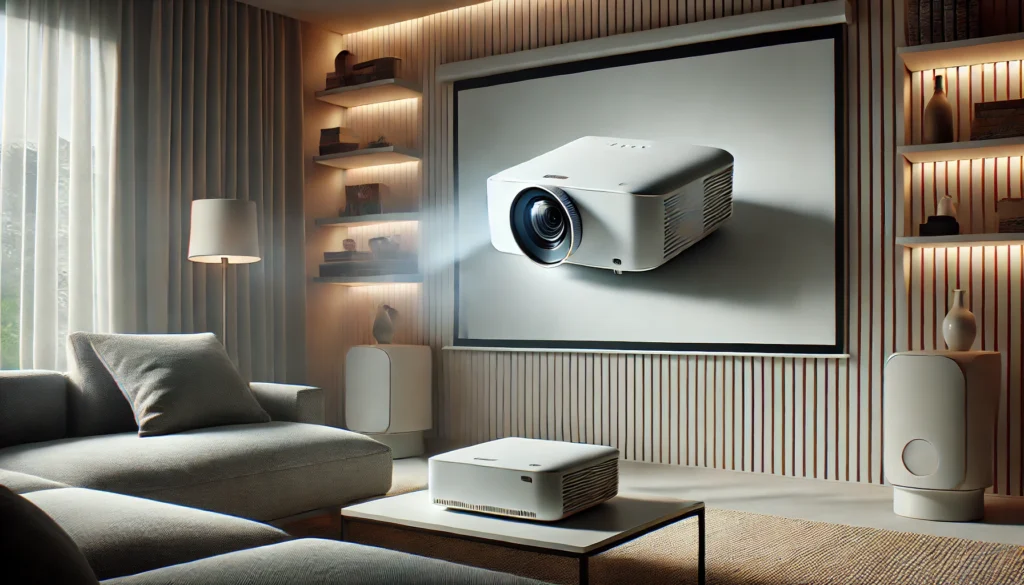
There are various types of short throw projectors, each catering to specific needs and applications:
1. Standard Short Throw Projectors
Standard short-throw projectors are designed for small to medium-sized rooms. They typically project large images from 3 to 8 feet away, commonly used in home theaters, boardrooms, or classrooms.
2. Ultra-Short Throw Projectors
Ultra-short throw (UST) projectors can produce large images from a shorter distance, usually less than 3 feet away. These projectors are excellent for settings with limited space, such as small conference rooms or living rooms requiring wall mounting.
3. Interactive Short Throw Projectors
Interactive short-throw projectors come equipped with touchscreen capabilities and are widely used in educational environments. Teachers and presenters can write on the screen, interact with projected images, and offer a more engaging experience for the audience.
Benefits of Short Throw Projectors
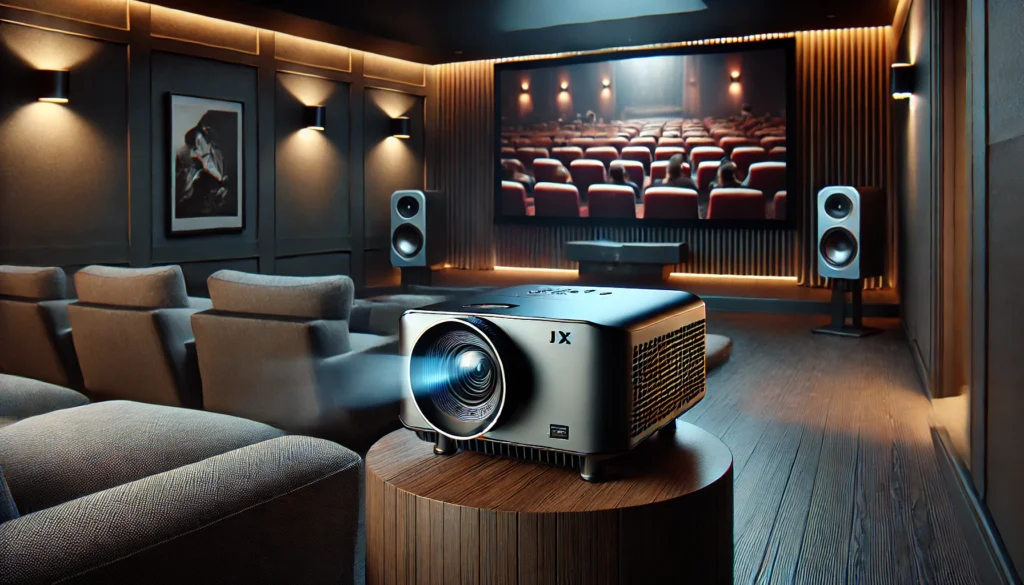
1. Space Efficiency
The most significant advantage of short-throw projectors is that they don’t require a lot of space to project a large image. This makes them perfect for small rooms where setting up a traditional projector might be impractical.
2. Reduced Shadows
With the projector placed closer to the screen, the chances of casting shadows while walking in front of the projection are minimized. This is particularly useful in classrooms and meetings, where people frequently move before the screen.
3. Improved Image Quality
Short-throw projectors typically offer sharp, high-definition image quality, even in small spaces. This is a major benefit for home theater setups where viewers want a cinematic experience.
4. Easy Installation
Unlike traditional projectors that must be mounted on the ceiling or placed far from the screen, short-throw projectors can be easily installed closer to the screen without long cables or complicated setup procedures.
5. Cost-effective for Small Spaces
When considering the overall costs of installation, maintenance, and setup, short-throw projectors are often more cost-effective in smaller spaces than long-throw projectors due to their simplicity and space-saving design.
Smart Features and Modern Convenience
One of the key advantages of modern short-throw projectors is the inclusion of smart technology that enhances the overall user experience. Many models now come with built-in streaming platforms, wireless connectivity, voice control support, and screen-mirroring capabilities, reducing the need for additional devices.
Their compact design allows users to enjoy large-screen entertainment, professional presentations, or educational content without extensive installation requirements. By combining convenience, flexibility, and advanced features, short-throw projectors have become an excellent solution for homes, offices, and classrooms seeking high-quality visual performance in limited spaces
Drawbacks of Short Throw Projectors
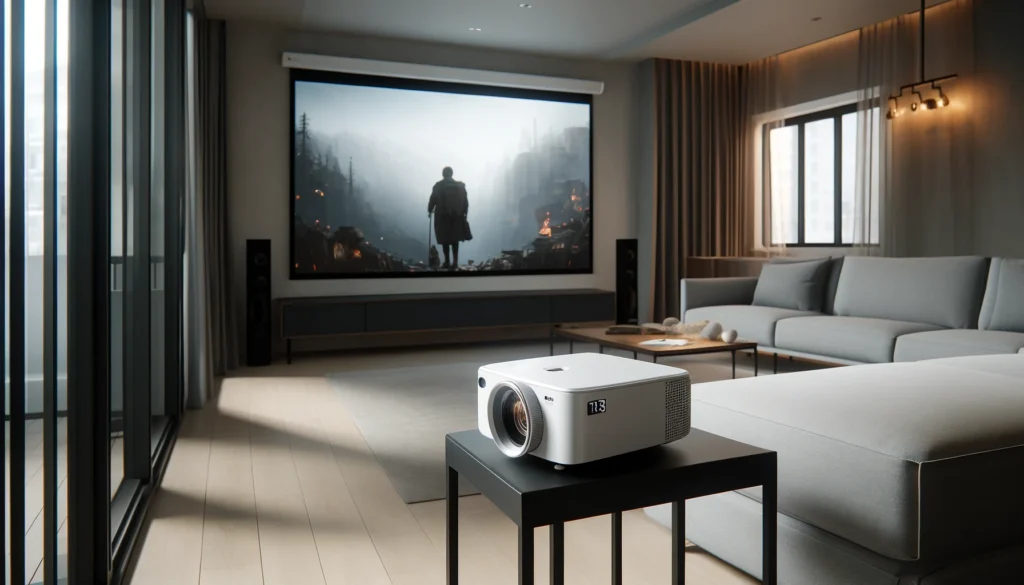
Despite their many benefits, short-throw projectors do come with a few limitations:
1. Higher Cost
Short-throw projectors, especially ultra-short-throw models, are typically more expensive than standard projectors. The specialized lenses and advanced technology contribute to this higher price tag.
2. Limited Throw Range
Short-throw projectors are not ideal for large venues or spaces requiring long-range projection. They are designed for small to medium spaces, so a long throw projector might be a better option if you need to project in a large hall or auditorium.
3. Potential Image Distortion
Due to the proximity of the projector to the screen, some models may experience issues with image distortion or uneven brightness. However, premium short-throw projectors usually use advanced image correction features to counteract this problem.
Key Features to Look for in a Short Throw Projector
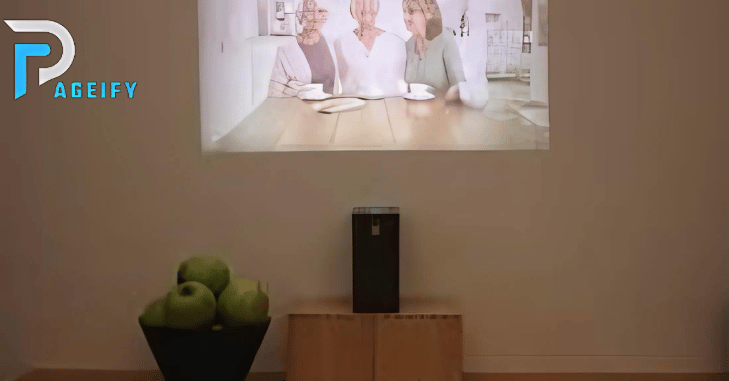
When shopping for a short throw projector, there are several factors to consider to ensure you get the best performance:
1. Resolution
High resolution is critical for a clear, detailed image. Opt for projectors with at least 1080p resolution for home theaters or presentations. If you’re looking for ultra-high definition, 4K short throw projectors are also available.
2. Brightness
The brightness of a projector is measured in lumens. For well-lit rooms, choose a projector with higher brightness (at least 3000 lumens) to ensure the image is visible. For darker environments, a lower brightness level may suffice.
3. Contrast Ratio
A higher contrast ratio means deeper blacks and brighter whites, creating a more vivid image. Look for projectors with a high contrast ratio, especially if you plan to use the projector in a home theater.
4. Connectivity
Ensure the projector has sufficient input options for your devices. HDMI, USB, and wireless connectivity are essential for connecting your laptop, gaming console, or streaming devices.
5. Throw Ratio
The throw ratio determines how far you need to place the projector from the screen. Ultra-short throw projectors generally have a throw ratio of less than 0.4:1, while standard short throw projectors fall between 0.4:1 and 1:1.
Best Short Throw Projectors of 2024
Here are some of the top-rated short throw projectors currently on the market:
1. BenQ HT2150ST
The BenQ HT2150ST is a popular choice for home theaters because of its excellent image quality and brightness. It offers a 1080p resolution, 2200 lumens of brightness, and a 0.69:1 throw ratio.
2. Optoma GT1080HDR
This projector features a 1080p resolution with HDR support and a fast response time, making it ideal for gaming enthusiasts. With a 0.5:1 throw ratio, it projects large images from a short distance.
3. Epson LS300 Ultra-Short Throw
A premium ultra-short throw projector, the Epson LS300 offers stunning 4K images, built-in Android TV, and immersive sound quality. It’s perfect for living rooms and home theaters.
4. LG HU85LA 4K Ultra Short Throw
One of the best 4K short throw projectors available, the LG HU85LA offers incredible picture clarity, smart TV features, and a throw ratio of 0.19:1, allowing you to place it just inches from the screen.
Conclusion
Short-throw projectors have revolutionized how we enjoy movies, presentations, and interactive learning in smaller spaces. Their ability to project large, high-quality images from short distances makes them a versatile and practical choice for various settings. When choosing a short throw projector, focus on key features like resolution, brightness, and throw ratio to ensure you select a model that meets your needs. With options ranging from affordable models to premium 4K projectors, there’s a short-throw projector for everyone.
Apart from that if you want to know about “Pixel Watch 2: Google’s Next-Gen Smartwatch, Display, Experience, Pricing and Much More” then please visit our “Tech” Category.
FAQs
A short-throw projector is a device that projects a large image from a short distance, typically 3 to 8 feet away from the screen. This type of projector is ideal for small spaces, minimizing shadows and allowing flexibility in room layouts.
The primary difference lies in the throw distance. Short-throw projectors can project large images from a closer distance, whereas regular projectors need to be placed farther from the screen. This makes short-throw projectors ideal for compact spaces like small rooms or classrooms.
The throw ratio typically ranges from 0.4:1 to 1:1 for short throw projectors, meaning they can project a 10-foot-wide image from as close as 4 feet away.
A short throw projector is designed to project a large image from a very short distance, making it ideal for small rooms and limited spaces.
Short throw projectors typically need to be placed just a few feet from the screen to display a large image, though the exact distance varies by model.