Introduction
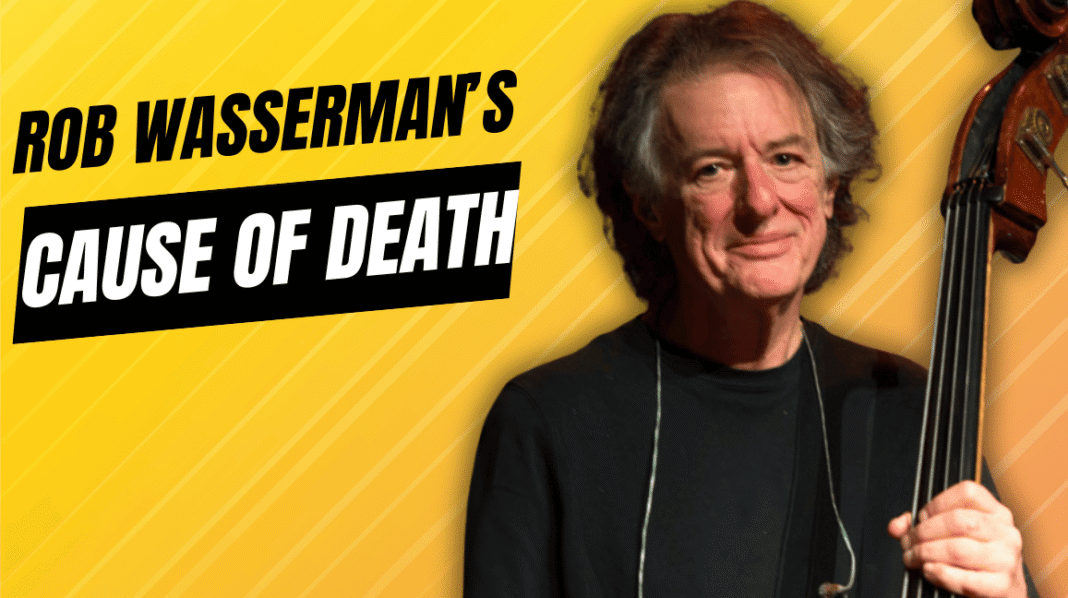
Born on April 1, 1952, Wasserman was 64 years old at the time of his passing in 2016. Tall and lean with a striking, silver-streaked hairstyle in his later years, he carried a subtle yet expressive stage presence, often dressed in dark, understated attire. Rob Wasserman’s Cause of Death marked the end of a profound chapter in modern music, but it also invites reflection on the extraordinary life of a man who redefined the role of the upright bass.
He captivated audiences with his emotionally rich performances and mastery of the arco (bowed) bass technique, allowing his upright bass to sing with depth and complexity. His achievements were just as remarkable; he was a Grammy Award winner, the recipient of DownBeat Magazine’s Record of the Year, and an Edison Award honoree.
From groundbreaking solo albums like Solo and Duets to legendary collaborations with Lou Reed, Bob Weir, and Van Morrison, Wasserman left behind a genre-defying musical legacy. This guide delves not only into Rob Wasserman’s cause of Death but also into his extraordinary journey, encompassing composing, bass playing, family life, financial standing, personal style, and enduring accomplishments.
| Category | Details |
| Full Name | Rob Wasserman |
| Date of Birth | April 1, 1952 |
| Date of Death | June 29, 2016 |
| Rob Wasserman’s Cause of Death | Cancer |
| Age at Death | 64 years old |
| Build | Lean and slender |
| Hair | Silver-streaked in later years |
| Performance Style | Expressive, emotionally rich, with the use of arco (bowed) upright bass |
| Famous Albums | Solo, Duets, Trios, Cosmic Farm, Space Island |
| Key Collaborators | Bob Weir, Lou Reed, Van Morrison, Bobby McFerrin, Elvis Costello |
| Major Awards | Grammy Award, DownBeat Record of the Year, Edison Award |
| Family | Wife: Veronica; Daughter: Sara; Siblings: Cindy and Bruce |
| Financial Status | Modestly successful, respected working musician |
| Legacy | Pioneering bassist, mentor, and genre-blending composer |
Rob Wasserman’s Cause of Death
Rob Wasserman’s cause of death was attributed to cancer, which led to his passing on June 29, 2016, at the age of 64. The accomplished bassist had been briefly hospitalized in Los Angeles before his death, but the seriousness of his condition became known only shortly before he died. Rob Wasserman’s cause of death deeply shocked the music community, as many of his colleagues and fans were unaware that he had been battling a life-threatening illness.
News of his passing prompted an outpouring of tributes from fellow musicians, including Bob Weir of the Grateful Dead, with whom Wasserman had shared a long-standing musical partnership through their work in RatDog and various duo performances. Known for his warmth, generosity, and musical brilliance, Wasserman’s death marked the end of a remarkable career that had touched the lives of countless people.
Though his battle with cancer was relatively private, the legacy he left behind through his recordings and collaborations continues to honor his life and work. Rob Wasserman’s cause of death may have silenced his physical presence, but his musical spirit remains vibrant in the hearts of those he inspired.
Composing and Bass Playing
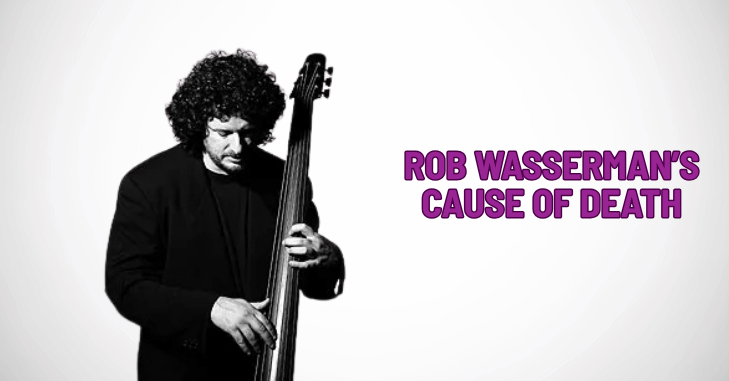
Rob began his musical journey as a violinist during his teenage years. However, he soon discovered a profound connection to the upright bass, which became his signature instrument. He pursued formal training in classical double bass and composition at the San Francisco Conservatory of Music, studying under renowned composers and musicians.
Solo Albums
Wasserman released several solo projects that showcased his innovative approach to the bass:
- Solo (1983): An experimental and purely instrumental album, praised for its creative use of unaccompanied bass. It was named Record of the Year by DownBeat Magazine.
- Duets (1988): A Grammy-nominated album featuring collaborations with artists such as Lou Reed, Rickie Lee Jones, Bobby McFerrin, and others. His duet “Brothers” with McFerrin earned a Grammy Award.
- Trios (1994): This album continued the collaborative theme, including performances with Bruce Hornsby, Jerry Garcia, and Brian Wilson.
- Space Island (2000) and Cosmic Farm (2005): Albums exploring jazz fusion and experimental soundscapes.
Collaborations and Band Work
Rob was a frequent collaborator with many legendary artists, including
- Van Morrison
- Elvis Costello
- Neil Young
- Ani DiFranco
- Lou Reed
- Willie Dixon
- David Grisman
He was also a founding member of RatDog, the band formed with Grateful Dead guitarist Bob Weir. Their musical partnership began with duo performances in the 1980s and eventually led to full-band tours. Rob left RatDog in 2003 but rejoined in 2012, performing with the band until his passing.
Musical Style and Influence
Rob Wasserman was widely recognized for redefining how the upright bass could be used in contemporary music. Instead of serving only as a supporting instrument, he brought it to the forefront as a lead voice, using techniques such as arco bowing and subtle harmonics to create rich, melodic textures.
His approach influenced musicians across jazz, rock, and experimental genres, encouraging them to explore the bass in more expressive and unconventional ways. Many modern bassists credit his solo work, particularly Solo and Duets, as a turning point in how they view the instrument’s creative potential.
Family Life
Rob Wasserman was the son of Albert and Dunia Wasserman. He was married to Veronica Wasserman, and together they had a daughter named Sara Wasserman, who is also a singer and performer. Rob also had siblings named Cindy and Bruce.
Rob was known for maintaining a close-knit family life, often drawing inspiration from his loved ones. His daughter Sara frequently performed with him and continues to honor his musical legacy through her own career.
Financial Status
While Rob Wasserman’s exact net worth was never publicly disclosed, his long and steady career in the music industry suggests that he lived comfortably. His accolades, Grammy wins, and collaborations with top-tier artists provided a consistent stream of professional engagements and royalties.
Rather than achieving wealth through mainstream pop stardom, Rob’s financial status reflected the success of a highly respected working musician. He was more focused on artistry and musical innovation than commercialism, earning him admiration and credibility in jazz, classical, rock, and folk circles.
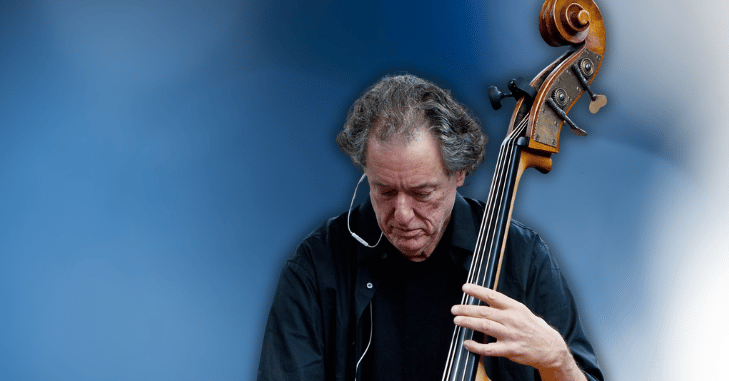
Physical Appearance and Stage Presence
| Attribute | Details |
| Age at Death | 64 years old (passed away in 2016) |
| Height | Tall (exact measurement not publicly available, but described as tall) |
| Weight | Slender build (specific weight not disclosed) |
| Hair | Silver-streaked hair in later years |
| Clothing Style | Dark, understated performance attire |
| Build | Tall and lean |
| Stage Presence | Modest, deeply expressive |
| Performance Technique | Expert use of the arco (bowed) bass for rich, resonant tones |
| Instrument | Upright bass |
| Performance Mood | Intimate yet expansive, emotionally complex, and musically profound |
Achievements and Honors
Rob Wasserman earned numerous accolades throughout his career, both in the U.S. and internationally.
- Grammy Award Winner for Best Jazz Vocal Performance (with Bobby McFerrin for “Brothers”).
- Grammy Nominations for his Duets album and other collaborative projects.
- DownBeat Magazine’s Record of the Year for Solo (1983).
- Edison Award (Netherlands) for international musical excellence.
Notable Contributions
- Served as a judge for several years in the Independent Music Awards, helping recognize and uplift emerging independent artists.
- Left behind a discography that spans genres from jazz and classical to folk and rock.
- Recognized as a pioneering bassist who transformed the perception of the upright bass as a solo instrument.

Legacy
Rob Wasserman’s legacy continues to resonate through his recordings, collaborators, and the many artists he mentored and influenced. After his death, several tribute concerts were held in his honor, including performances led by Bob Weir.
He was known not just for his technical prowess but for the emotional depth he brought to every piece. He was a musician’s musician, someone whose work elevated those around him. His daughter Sara has carried forward that legacy, blending her father’s artistic passion with her own voice.
Conclusion
Though Rob Wasserman’s Cause of Death, cancer, tragically ended his life at the age of 64, it could never diminish the rich contributions he made to music and the lives he touched along the way. His extraordinary gift for blending emotional depth with technical mastery set him apart as a once-in-a-generation bassist.
Whether through soulful bowed bass lines, genre-bending compositions, or heartfelt duets with musical legends, Wasserman’s work continues to inspire artists and listeners worldwide. Beyond the stage, his devotion to family, support of independent musicians, and quiet, compelling stage presence painted the portrait of a man deeply grounded in both passion and humility. Rob Wasserman’s cause of Death may have brought an end to his physical presence, but his sound lives on, a timeless echo of a life lived through music.
Want to know about “Exploring Judy Finnigan Net Worth” Check out our “Entertainment” category.
FAQs
Beirut, Billy Bragg, Bon Iver, Charlotte Cardin, Kings of Convenience, KT Tunstall, The Mary Wallopers, Novo Amor, Taj Mahal, Tide Lines, and Warpaint are among the acts that Rob represents.
Rob Wasserman passed away from cancer. At the age of 64, he died on June 29, 2016.
His albums Solo, Duets, and Trios, as well as his expressive upright bass playing, particularly his command of the bowed (arco) technique, were his most well-known works.
Indeed, he was the recipient of the Edison Award, the DownBeat Record of the Year, and a Grammy Award.