
Introduction
Richard Curtis is a prominent figure in the world of film and television, celebrated for his exceptional contributions to romantic comedies and heartfelt storytelling. His career, which includes well-known Richard Curtis movies like Four Weddings and a Funeral, Notting Hill, and Love Actually, demonstrates his talent for creating likable characters and captivating stories that appeal to viewers.
Beyond his filmography, Curtis has made significant contributions to television, with beloved series like The Vicar of Dibley, and has authored books that delve into the intricacies of love and relationships. His philanthropic efforts, particularly through the charity Comic Relief, reflect his commitment to using storytelling as a means of inspiring social change. This overview will explore Richard Curtis’s illustrious career, his notable works in film and television, his writing endeavors, and insights into his personal life, illustrating the lasting impact he has had on popular culture.
| Category | Details |
| Introduction | Romantic Storytelling |
| Notable Films | Iconic Romcoms |
| The Tall Guy | Film Debut |
| Four Weddings | Breakthrough Success |
| Notting Hill | Celebrity Romance |
| Love Actually | Ensemble Romance |
| Bridget Jones | Feminine Perspective |
| About Time | Time Travel |
| Yesterday | Musical Fantasy |
| War Horse | Emotional Drama |
| The Boat That Rocked | Pirate Radio |
| Books | Love Essays |
| The Love Actually Book | Behind Scenes |
| Television Shows | Comedic Classics |
| The Vicar of Dibley | Female Vicar |
| Blackadder | Historical Satire |
| Not the Nine O’Clock News | Political Sketches |
| Comic Relief | Charity Comedy |
| Career Beginnings | Television Writing |
| Personal Life | Family Philanthropy |
| Emma Freud | Lifelong Partner |
| Social Advocacy | Climate Activism |
| Writing Style | Humor Sincerity |
| Legacy | Cultural Influence |
Richard Curtis Movies

Richard Curtis movies have redefined romantic comedy for modern audiences. His journey from The Tall Guy—a quirky satire of theatre life—to the global phenomenon Four Weddings and a Funeral showcased his mastery of accessible yet witty romance. His reputation was solidified by Notting Hill and the Bridget Jones series, which featured likable characters, endearing banter, and a dash of British charm. With Love Actually, Curtis innovated the ensemble romantic comedy narrative, weaving multiple love stories under the Christmas spirit.
Later, he embraced fantasy realism (Yesterday), time-travel emotional depth (About Time), and nostalgia (The Boat That Rocked). His range was even demonstrated by his work on War Horse, which addressed human-animal bonds and the drama of war. Across his filmography, Curtis maintains a signature warmth, heartfelt storytelling, and comedic timing that balances levity with emotional resonance, resulting in a body of work whose impact extends well beyond the feel-good genre.
Books
While Richard Curtis is primarily known for his work in film and television, he has also ventured into writing books. In 2015, he published “The Love Actually Book,” which provides an in-depth look at the making of his iconic film. The book includes behind-the-scenes stories, insights into character development, and reflections on the film’s lasting impact.
Additionally, Curtis has written various essays and articles, often discussing themes of love, relationships, and the importance of storytelling. His writing is characterized by a blend of humor and sincerity, making it accessible to a wide audience.
Notable Television Shows

“The Vicar of Dibley”
One of Curtis’s most beloved television shows is “The Vicar of Dibley,” which debuted in 1994 and ran until 2007. Dawn French portrayed Geraldine Granger, the first woman to serve as a vicar in a quaint English village, in the series. The series was celebrated for its humor and warmth, addressing themes of faith, community, and acceptance.
Curtis’s writing brought depth to the characters, making them relatable and endearing. The show’s blend of comedy and heartfelt moments resonated with audiences, leading to its enduring popularity. Its memorable catchphrases and iconic scenes have made “The Vicar of Dibley” a classic in British television.
“Love Actually”
Though primarily known for his films, Curtis’s influence extended to television with the holiday classic “Love Actually.” Released in 2003, the film interweaves several romantic storylines, showcasing the complexities of love during the Christmas season. The ensemble cast included Colin Firth, Emma Thompson, and Hugh Grant. A commercial success, “Love Actually” has since become a holiday viewing mainstay. It became a cultural phenomenon as audiences connected with its themes of love, friendship, and connection. The film’s memorable quotes and heartwarming moments have ensured its place in the pantheon of romantic comedies.
Transition to Film
Curtis’s transition from television to film was marked by a series of successful projects that showcased his unique storytelling style. His ability to craft relatable characters and engaging narratives quickly established him as a leading figure in the romantic comedy genre.
“Four Weddings and a Funeral”
A major shift in Curtis’s career was marked by the 1994 release of “Four Weddings and a Funeral.” The film, starring Hugh Grant and Andie MacDowell, follows the misadventures of a group of friends as they navigate love and relationships throughout several weddings and a funeral.
The film received critical acclaim and was a box office success, earning several Academy Award nominations, including Best Picture. Its witty dialogue, charming performances, and exploration of love and loss solidified Curtis’s reputation as a master of romantic comedy.
“Notting Hill”
In 1999, Curtis released the romantic comedy Notting Hill, featuring Hugh Grant and Julia Roberts in the lead roles. In the movie, a modest bookshop owner develops feelings for a well-known actress. “Notting Hill” was celebrated for its clever dialogue and charming performances, becoming one of the highest-grossing British films of all time.
The film’s themes of love across social divides, fame, and the complexities of relationships resonated with audiences, making it a beloved classic. The film’s lasting appeal was aided by Curtis’s skill at fusing humor with poignant moments.”Bridget Jones’s Diary”
Curtis was also involved in the adaptation of Helen Fielding’s novel “Bridget Jones’s Diary,” which was released in 2001. The movie, which stars Renée Zellweger as the title character, chronicles a single woman’s battles with self-acceptance and love.
Curtis’s work on the screenplay helped to bring the relatable and humorous aspects of Bridget’s life to the big screen. Two sequels were produced as a result of the movie’s success, solidifying its status in popular culture.
“About Time”
About Time, a romantic drama with a time travel twist, was released by Curtis in 2013. Domhnall Gleeson plays a young man in the movie who learns he can go back in time and use that knowledge to strengthen his bonds with others. The movie looks at love, family, and the value of ordinary moments.
“About Time” received praise for its heartfelt storytelling and emotional depth, showcasing Curtis’s evolution as a writer. The film’s message about cherishing life’s simple pleasures resonated with audiences, making it a standout in his filmography.
Other Works and Collaborations
In addition to his successful films, Curtis has collaborated with a variety of artists and filmmakers throughout his career. He has written screenplays for several projects, including “The Boat That Rocked” (2009), a comedic film about pirate radio stations in the 1960s.
Curtis’s contributions extend beyond film and television. He co-founded Comic Relief in 1985, a charity aimed at alleviating poverty and promoting social change through comedy. The charity’s telethons and fundraising initiatives have raised millions for various causes, showcasing Curtis’s commitment to using his platform for good.
Career Beginnings
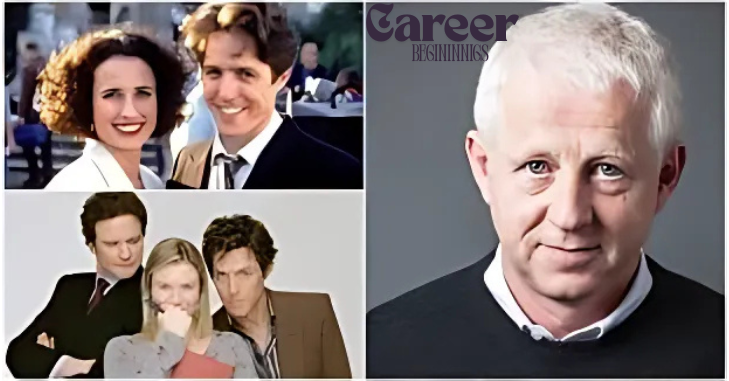
Curtis began his career in television, initially working as a writer for the BBC. His early work included contributing to shows like “Not the Nine O’Clock News,” which aired from 1979 to 1982. This satirical sketch show was groundbreaking for its time, blending humor with political commentary. Curtis’s writing stood out, leading to a successful collaboration with fellow writers and actors.
In the early 1980s, Curtis co-created the television series “The Black Adder,” which featured Rowan Atkinson in the titular role. The series took a historical approach to comedy, with each season set in a different time. The show was critically acclaimed and has remained a classic in British television history. Curtis’s ability to blend humor with historical context marked him as a unique voice in the industry.
Personal Life
Richard Curtis is known for his philanthropic efforts alongside his successful career. He co-founded the charity Comic Relief in 1985, which has raised millions for various causes, including poverty alleviation and disaster relief. The charity is famous for its telethons and comedy specials, showcasing Curtis’s commitment to using humor as a means of promoting social change.
Curtis is also an advocate for environmental issues and has participated in various initiatives aimed at raising awareness about climate change. His passion for social causes reflects his belief in the power of storytelling to inspire change and connect people.
In his personal life, Curtis has been married to Emma Freud since 1993, and the couple has four children. They often collaborate on charitable projects, combining their efforts to make a positive impact in the world.
Conclusion
Richard Curtis’s contributions to film and television have left an indelible mark on popular culture. His ability to blend humor with heartfelt storytelling has resonated with audiences worldwide. From his early days in television to his successful film career, Curtis has consistently delivered stories that entertain, inspire, and provoke thought.
Read More: – Bob Geldof’s Net Worth:
Through his philanthropic efforts and commitment to social causes, he has demonstrated that storytelling can be a powerful tool for change. As we look to the future, Richard Curtis remains a significant figure in the entertainment industry, continuing to create work that speaks to the human experience. His films, characterized by romance, humor, and a touch of melancholy, will undoubtedly continue to be cherished by audiences for years to come.
Want to know about “Joe Simpson Net Worth Breakdown” Check out our “Entertainment” category.
FAQs
Hugh Grant has appeared in a number of Richard Curtis films, such as Love Actually, Notting Hill, and Four Weddings and a Funeral. Curtis once shared that he was unsure about casting Grant in Four Weddings and a Funeral because he felt Grant looked “too fancy and too good-looking” for the role.
The Empty Stocking, Snow Day, and That Christmas make up the ideal Christmas trilogy—brimming with happiness, touching moments, and festive charm—and are collected for the first time in a beautiful edition.
Notting Hill, Bridget Jones’s Diary, and Four Weddings and a Funeral are just a few of the popular movies that Richard Curtis has written and directed. Mr. Bean, Love Actually, The Boat That Rocked, About Time, and most recently, Yesterday, directed by Danny Boyle.
Film director Richard Curtis is one of 83 millionaires calling for higher taxes on the wealthy to support economic recovery from the coronavirus pandemic. At 63 years old, Curtis—best known for hits like Love Actually and Four Weddings and a Funeral—is estimated to have a net worth of nearly £24 million.
Writing: Richard Curtis’s own wedding-going experiences served as the basis for Four Weddings and a Funeral. He began writing the script at the age of 34, after noticing that he had been to 65 weddings over an 11-year period.