
Good dental health is essential to a pet’s overall well-being, yet it often goes unnoticed until problems cause pain or require extensive treatment. Dogs and cats can develop plaque, tartar, gum inflammation, and infections that interfere with eating, alter behavior, and even impact internal organs if left untreated. By detecting dental concerns early, you protect your pet’s comfort and longevity. A proactive approach reduces veterinary costs and nurtures a happier, healthier companion.
Why Early Detection Matters
Oral bacteria from untreated dental disease can enter the bloodstream through inflamed gums, increasing the risk of heart, liver, and kidney problems. Chronic periodontal disease triggers systemic inflammation that accelerates other health issues and diminishes quality of life. Identifying early-stage gum irritation or plaque buildup allows for simpler interventions, often reversing damage before more invasive treatments are needed. Regular at-home checks and professional exams spare your pet unnecessary discomfort and medical expenses.
Recognizing Warning Signs
Keep an eye out for subtle changes in your pet’s mouth and habits. Early indicators often go unnoticed until they become severe. Watch for:
- Bad Breath
- A strong, persistent odor beyond typical “pet breath”
- Possible sign of bacterial overgrowth, tooth decay, or gum disease
- Changes in Eating
- Dropping kibble, chewing on one side, or favoring softer foods
- Longer mealtimes or sudden food aversions
- Gum and Tooth Appearance
- Red, swollen, or bleeding gums
- Yellow or brown buildup on tooth surfaces
- Loose or receding teeth, or visible pus
- Behavioral Shifts
- Excessive drooling, pawing at the mouth, or reluctance to be touched around the face
- Increased irritability, hiding, or reduced playfulness
Because pets instinctively mask pain, even slight mood or appetite changes warrant an oral inspection. Addressing these signs at the first hint helps prevent escalation into serious disease.
Professional Dental Care Services
At the first sign of oral issues, schedule a veterinary dental exam. Clinics use safe sedation protocols that let veterinarians:
- Thoroughly clean above and below the gum line
- Perform dental X-rays to detect hidden abscesses, root damage, or bone loss
- Extract fractured, decayed, or severely infected teeth to halt bacterial spread
Post-procedure pain management and a short course of soft food support a quick recovery. Most pets resume normal eating within 24 to 48 hours and often display renewed energy and comfort once oral pain is relieved.
Understanding Dental Disease Stages
Recognizing the progression of dental disease helps you choose appropriate interventions:
- Stage 1: Plaque Accumulation
- Mild film on teeth, minimal odor
- Managed with professional cleaning and improved home care
- Stage 2: Gingivitis
- Gum redness and slight bleeding
- Reversible with prompt cleaning and brushing
- Stage 3: Mild Periodontitis
- Tartar buildup, gum recession begins
- Requires deep cleaning and regular monitoring
- Stage 4: Advanced Periodontitis
- Loose or missing teeth, severe pain, possible pus
- Often necessitates extractions and more intensive therapy
Catching issues in Stages 1 or 2 typically means less invasive treatments. Once a pet reaches Stage 3 or 4, root planing and extractions become more common and recovery may take longer.
At-Home Prevention
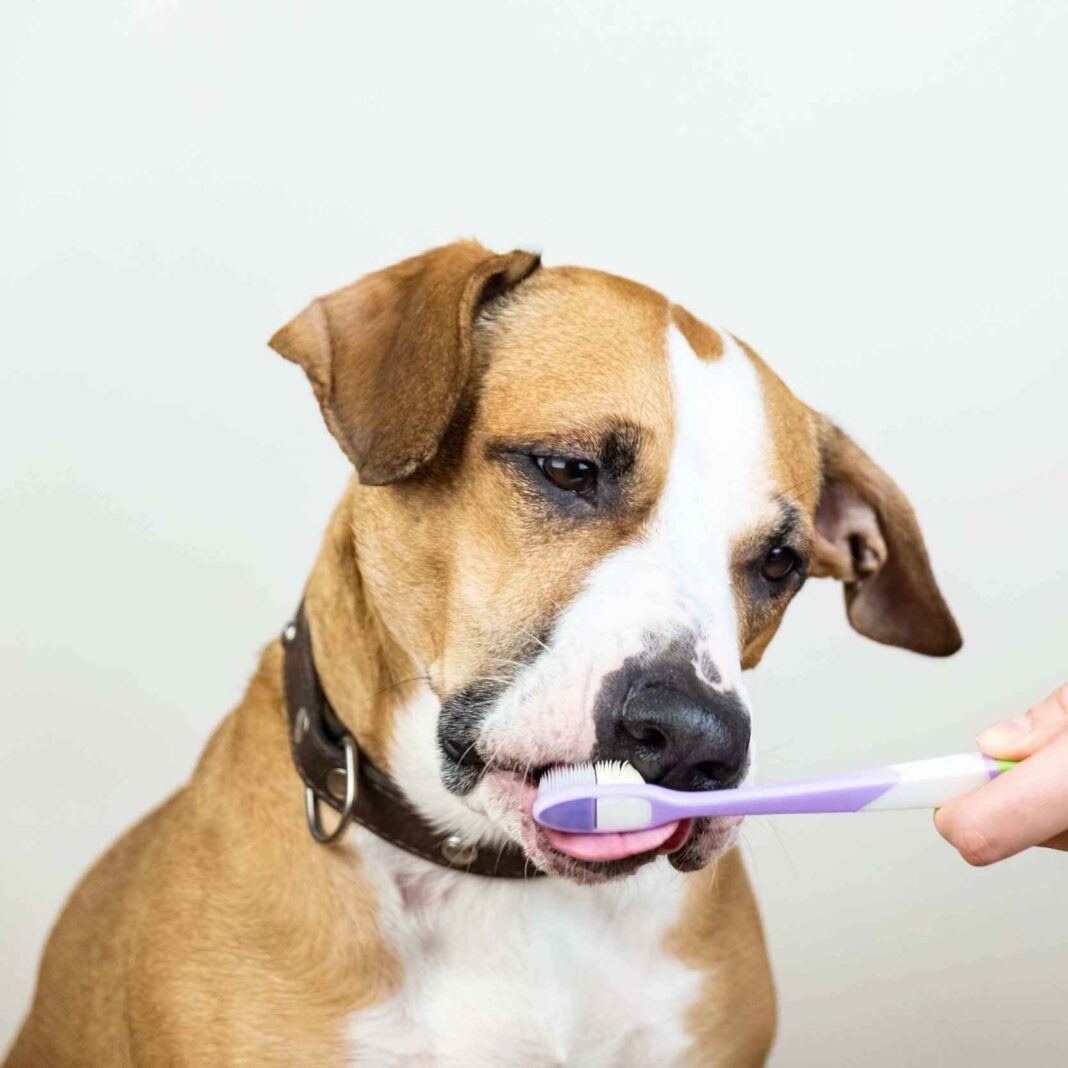
Daily care is the cornerstone of lasting dental health. Aim to brush your pet’s teeth three to five times per week using a pet-safe toothbrush and enzymatic toothpaste. Introduce the routine gradually, pairing each session with praise or treats to build positive associations.
Supplement brushing with:
- Dental chews and toys designed to reduce plaque
- Specially formulated treats that help break up tartar
- Water additives and dental wipes for pets resistant to brushing
Discuss with your veterinarian which dental care products best suit your pet’s age, breed, and health needs, then stop by a pet store in San Jose (or your nearest city) to find veterinarian-approved supplies and expert guidance on how to use them.
Routine Veterinary Checkups
Home care should be paired with professional oversight. Most veterinarians recommend a full oral exam at least once a year, and more often for senior pets or small breeds prone to periodontal disease. Early detection simplifies treatment—removing a thin layer of tartar is far less invasive than correcting advanced gum recession.
Regular checkups give your vet a chance to monitor dental health trends over time and adjust preventive strategies. This collaborative approach ensures that minor issues are managed promptly before they escalate.
Conclusion
Investing in your pet’s dental health pays dividends in comfort, happiness, and longevity. By watching for bad breath, chewing changes, gum abnormalities, and behavioral shifts, you can catch problems at their inception. Pair consistent at-home brushing and dental products with professional cleanings and routine exams to maintain a healthy mouth for life. With attentive care, most dental issues are preventable or easily treated, ensuring your furry friend enjoys pain-free meals and a vibrant quality of life.
For more info, visit our Pets category.