
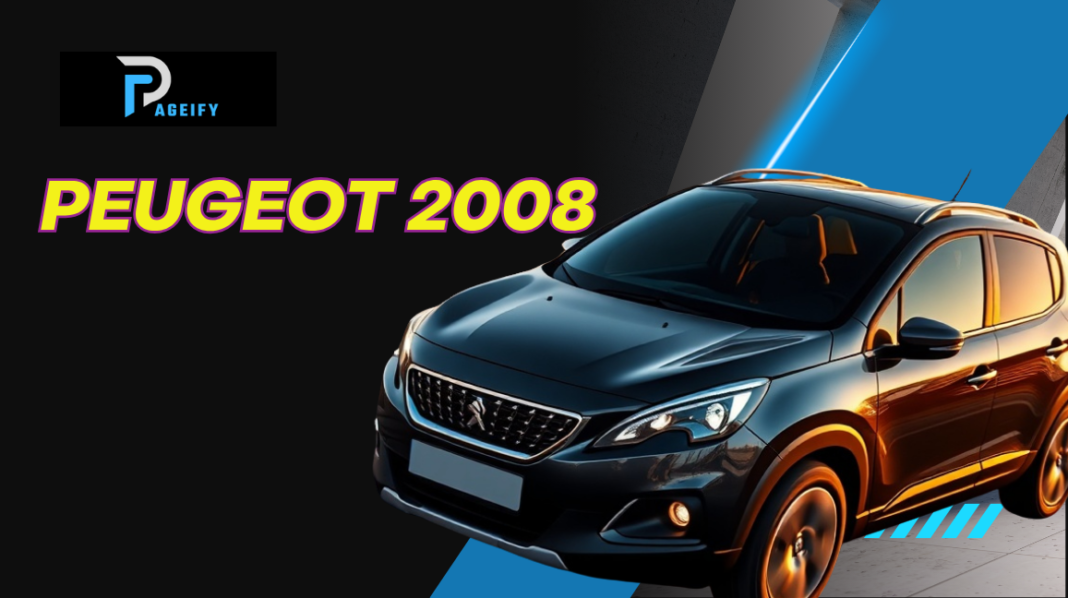
The Peugeot 2008 is a compact SUV sold in the UK with petrol, mild-hybrid and fully electric (E-2008) powertrains. It stands out for its sharp styling, a cabin that feels more upmarket than most rivals and the distinctive i-Cockpit layout, while being easy to drive and park in town. For most buyers, a mid-range trim with the petrol or hybrid engine offers the best balance of price, equipment and running costs.
This guide covers the engine line-up, how it drives, the interior and technology, safety, maintenance, what to expect on price and how it compares with rivals, finishing with a practical checklist for choosing the right version. Specifications and prices change between model years, so always confirm details with a Peugeot dealer or the official configurator before you buy.
Peugeot 2008 Engine and Powertrain Options
The current-generation 2008 has been offered with several powertrains in the UK. Availability depends on the model year, so treat this as an overview rather than a current price list.
| Powertrain | Gearbox | Best for | Things to consider |
|---|---|---|---|
| 1.2 PureTech petrol (lower output) | Manual | Low purchase price, mostly urban driving | Can feel stretched when fully loaded |
| 1.2 PureTech 130 petrol | Automatic (EAT8 on many versions) | Mixed driving with occasional motorway trips | Check service history carefully on used cars |
| 1.2 Hybrid (mild hybrid) | Dual-clutch automatic | Town driving and stop-start traffic | Small electric assistance, not a plug-in |
| E-2008 electric | Single-speed | Home charging, short to medium commutes | Higher list price; check real-world range for your journeys |
Earlier examples of this generation were also sold with BlueHDi diesel engines, which can still suit high-mileage drivers buying used.
What Makes the Peugeot 2008 Stand Out?
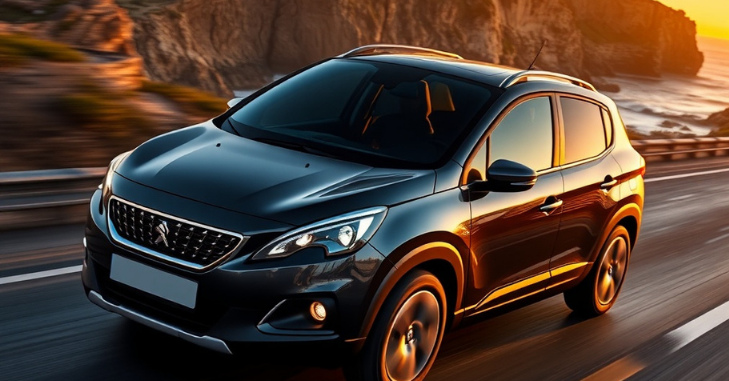
The 2008 combines a bold, angular exterior, with its signature “claw” LED lighting, and an interior that looks and feels more premium than many cars in this class. Few rivals offer petrol, hybrid and fully electric versions under the same body, which means you can choose a powertrain to suit your driving without compromising on looks or space.
Performance and Driving Experience
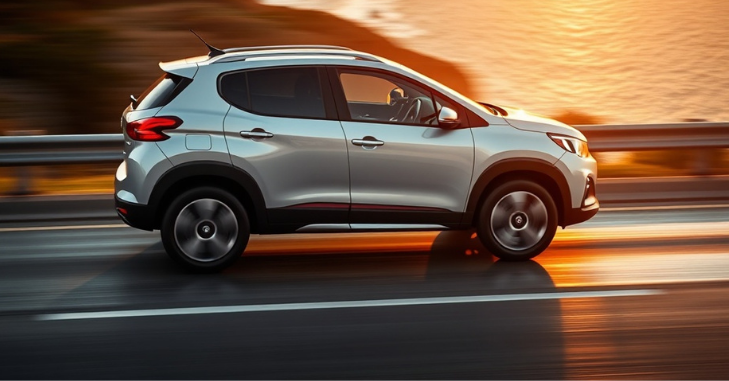
The 1.2-litre turbocharged three-cylinder PureTech engine is the core of the range. In its 130hp form, it produces around 230Nm of torque, which makes it feel lively around town and comfortable at motorway speeds. The lower-output version is adequate for urban driving but needs working harder when the car is full.
The steering is light and quick, so the 2008 feels nimble in car parks and narrow streets. The ride is on the firm side of comfortable, which keeps body roll in check on twisty B-roads, though larger wheels on higher trims can make broken surfaces more noticeable. Hybrid versions help smooth out stop-start traffic, while the electric E-2008 is quiet and responsive from a standstill.
Understanding the i-Cockpit
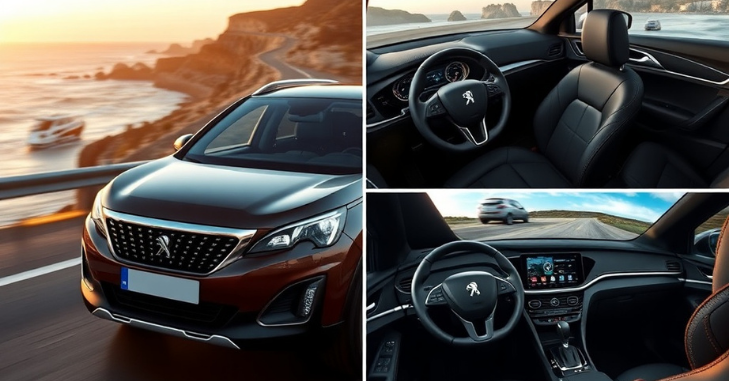
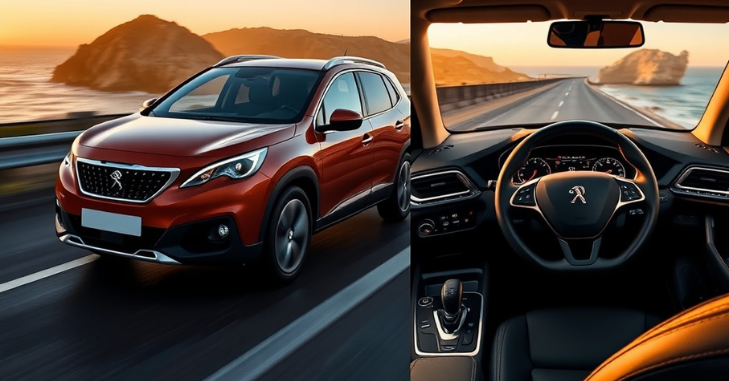
Peugeot’s i-Cockpit pairs a small steering wheel with a raised instrument display that you view over the top of the rim, rather than through it. Many drivers love the direct, go-kart feel, but some, depending on height and seating position, find the wheel blocks part of the dials. Make sure you spend time adjusting the seat and wheel on a test drive before committing.
Interior Comfort and Technology
Cabin Design and Quality
Soft-touch materials on key surfaces, layered dashboard design and tidy switchgear give the cabin a quality feel. Front seats are supportive on longer journeys, and the raised driving position gives a good view of the road.
Space and Practicality
- Rear seats: fine for two adults on shorter trips, or for children, though taller passengers may find headroom tight under the optional panoramic roof.
- Boot: a usable square shape with split-folding rear seats for longer items.
- Storage: useful cubby space in the centre console, plus a wireless phone charging pad on many versions.
- ISOFIX: mounting points for child seats on the outer rear seats.
Infotainment and Connectivity
- A central touchscreen, with larger screens on recent and higher-spec models
- Apple CarPlay and Android Auto
- A digital instrument cluster, with a 3D display on some trims
- Optional built-in navigation and connected services, depending on trim
The touchscreen handles many climate functions on some versions, which can be fiddly on the move. Shortcut keys below the screen help, but try them during a test drive to see whether the layout suits you.
Safety Features
The 2008 comes with multiple airbags, anti-lock brakes, electronic stability control and traction control as standard. Driver assistance equipment varies by trim and model year but can include lane-keeping assist, automatic emergency braking, blind-spot monitoring, automatic high beam, hill-start assist, adaptive cruise control, parking sensors and a reversing camera.
Higher trims usually bundle more of the advanced assistance systems, so check the specification sheet carefully if a particular feature, such as adaptive cruise or blind-spot monitoring, is a must-have for you.
Maintenance Tips for Long-Term Ownership
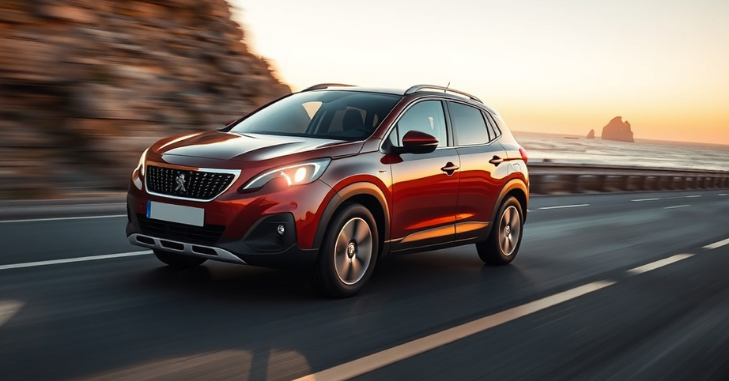
Like any modern car, the 2008 rewards regular care. Follow the official service schedule in the handbook or Peugeot app, and keep every receipt, as a full history supports resale value.
- Engine oil: use the exact oil specification Peugeot recommends. This matters particularly on PureTech engines, where the timing belt runs in oil.
- Timing belt: the 1.2 PureTech’s belt has a known history of wear issues. Check the belt has been inspected or replaced in line with Peugeot’s guidance, and ask the dealer about any updates or extended warranty support for your car.
- Tyres: check pressures monthly and rotate if wear is uneven; larger alloy wheels can wear tyres faster.
- Brakes: have pads and discs inspected at each service.
- Electric models: fewer moving parts mean simpler servicing, but brakes, tyres, suspension and cabin filters still need regular attention.
- Software updates: ask the dealer to apply any infotainment and system updates during servicing.
Pricing and Value
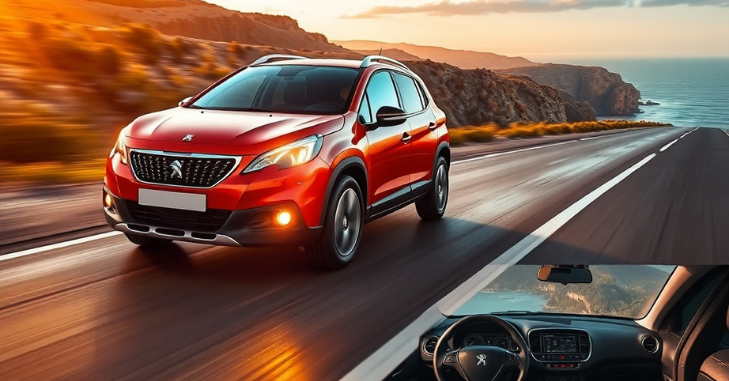
The 2008 sits towards the upper end of the mainstream compact SUV market. Entry-level trims cover the essentials, mid-range versions add larger screens and more driver assistance, and top trims bring sportier styling, bigger wheels and extra comfort features. The electric E-2008 costs more to buy but can be cheaper to run if you charge at home on a suitable tariff.
Because list prices, finance offers and electric car incentives change regularly, compare current UK prices on the official Peugeot site and against a few dealers. On used cars, an approved-used warranty is worth weighing up against a cheaper private sale.
Peugeot 2008 vs Competitors
| Model | Main strength | Where the 2008 compares |
|---|---|---|
| Ford Puma | Fun, sporty handling | 2008 has a more upmarket cabin |
| Kia Stonic | Value and long warranty | 2008 feels more premium inside |
| MG ZS | Lots of space for the money | 2008 is more refined and stylish |
| Honda HR-V | Reputation for reliability, hybrid efficiency | 2008 offers a fully electric option alongside petrol and hybrid |
If interior quality and design are high on your list, the 2008 is one of the most appealing options in its class. If driving fun, maximum space for the money or the longest warranty matter more, one of its rivals may be a better fit.
How to Choose the Right Peugeot 2008
- Match the powertrain to your driving. Mostly short urban trips with home charging suit the E-2008; mixed driving suits the PureTech 130 or hybrid.
- Pick a mid-range trim for value. It usually adds the most useful technology without the larger wheels of top versions.
- Test the i-Cockpit. Make sure you can see the instruments clearly in your normal seating position.
- Check the boot and rear space with your own pushchair, luggage or child seats.
- Review history on used cars. Prioritise a full service record and evidence of timing belt checks on PureTech models.
- Think about resale. Popular trims and colours with efficient engines tend to be easier to sell later.
Frequently Asked Questions
Is the Peugeot 2008 economical to run?
The PureTech petrol and hybrid versions are reasonably economical for a compact SUV, and the E-2008 can be very cheap to run with home charging. Actual figures depend on the engine, wheel size and how you drive, so check the official figures for the exact version you are considering.
Does the Peugeot 2008 come as a hybrid or electric?
Yes. Alongside petrol models, it has been offered as a mild hybrid and as the fully electric E-2008. Availability depends on model year, so check current options with Peugeot UK.
Is the Peugeot 2008 reliable?
It can be a dependable car when properly maintained. The main point to check is the 1.2 PureTech timing belt, which has had known wear issues, so look for a full service history and correct oil specification.
Which Peugeot 2008 trim is best?
For most buyers, a mid-range trim offers the best balance of equipment and price. Top trims add styling and comfort extras, while entry trims suit those who want the lowest purchase price.
Is the Peugeot 2008 good for families?
It suits small families well thanks to ISOFIX points, a practical boot and a good safety specification. Larger families who regularly carry tall rear passengers may want something bigger, such as the Peugeot 3008.
Bottom Line on the Peugeot 2008
The Peugeot 2008 is a stylish, well-equipped compact SUV with a genuinely premium-feeling cabin and a choice of petrol, hybrid and electric power. Choose the powertrain that matches your daily mileage, test the i-Cockpit before buying, and keep up with servicing, especially on PureTech engines, and it should be a satisfying car to own. For more motoring guides, explore our Automobile category.