

Introduction
Water underfloor heating has emerged as a modern, energy-efficient solution for homeowners seeking consistent warmth and reduced energy bills. Unlike traditional radiators, this system circulates warm water through pipes beneath your flooring, delivering even heat distribution throughout the space.
Its ability to operate at lower temperatures while maintaining optimal comfort makes it attractive for new builds and renovations. However, with higher upfront costs and installation complexity, many homeowners wonder if it’s worth the investment. In this article, we’ll explore the costs, benefits, and key insights of water underfloor heating to help you make an informed decision.
| Heating System | Water Underfloor Heating |
| Type | Wet System (uses pipes to circulate warm water under the floor) |
| Installation Cost (New Build) | £85–£100 per square meter |
| Installation Cost (Renovation) | £95–£110 per square meter |
| Typical Total Cost | £5,500–£11,000 for an average home of 60m² |
| Running Cost | Lower than radiators, especially when paired with renewable energy sources |
| Energy Efficiency | Operates at 35–50°C compared to radiators at 60–75°C |
| Annual Energy Savings | Up to 40% greater efficiency when combined with heat pumps or solar panels |
| Warm-Up Time | Slower than radiators but retains heat efficiently |
| Comfort Level | Provides even heat distribution without cold spots |
| Space-Saving Design | Eliminates bulky radiators, offering more interior design flexibility |
| Maintenance Requirements | Minimal; occasional servicing like flushing pipes and checking manifolds |
| Environmental Impact | Low carbon emissions when paired with renewable energy sources |
| Best Use Case | Ideal for new builds and larger spaces; compatible with modern insulation systems |
| Comparison with Radiators | Higher upfront costs but lower running costs and better energy efficiency in the long term |
How Water Underfloor Heating Works and Why It’s Effective
Water underfloor heating, often referred to as a wet system, operates by circulating warm water through a network of pipes installed beneath the floor surface, gently radiating heat upward into living spaces. Unlike traditional radiator systems that heat air unevenly and can create hot and cold spots, water underfloor heating delivers uniform warmth across the entire room by turning the entire floor into a heat emitter, providing consistent comfort from the ground up. Because water-based systems typically operate at lower temperatures than conventional heating methods, they can be more energy-efficient and cost-effective over the long term, especially when combined with modern boilers or renewable heat sources. This radiant heat distribution also reduces airflow disturbance, meaning less dust and better overall indoor comfort.
The Costs of Water Underfloor Heating
Initial Installation Costs
Water underfloor heating, often called a “wet system,” involves laying pipes beneath the floor to circulate hot water, which requires professional expertise. The installation cost depends on whether it’s a new build or a renovation:
- New Build: Installing water underfloor heating in new constructions costs approximately £85–£100 per square meter. New builds are more cost-effective because the system can be integrated during construction without additional adjustments to existing floors.
- Renovation: Retrofitting underfloor heating in existing homes is more expensive, ranging from £95–£110 per square meter. This is due to the additional work required, such as removing existing flooring and ensuring compatibility with current heating systems.
For an average home of 60m², the total cost of a water-based system will range from £5,500 £11,000, depending on the complexity of the project and whether it’s a new build or renovation.
Running Costs
One of the biggest advantages of water underfloor heating is its energy efficiency, which translates into lower running costs over time. By operating at lower temperatures than traditional radiators (typically 35–50°C compared to radiators at 60–75°C), these systems consume less energy while providing consistent warmth.
- Annual Energy Savings: When paired with renewable energy sources like heat pumps or solar panels, water underfloor heating can significantly reduce energy bills. For instance, homes with modern insulation and heat pumps can achieve up to 40% greater efficiency than traditional central heating systems.
Comparison with Radiators
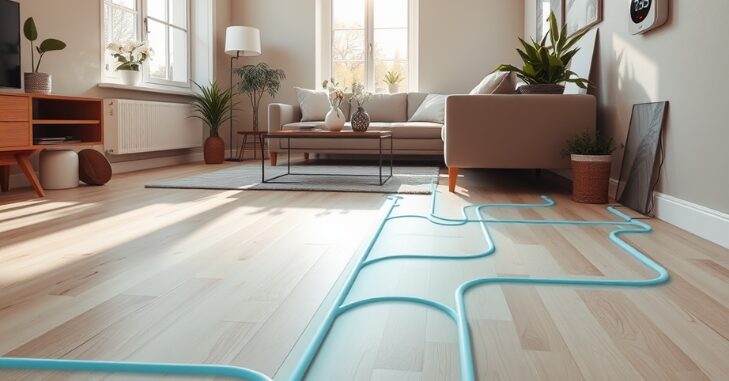
While radiators are cheaper to install (around £3,000 for a standard system), their running costs are comparable to underfloor heating when paired with a gas boiler. However, electric underfloor heating systems are significantly more expensive annually (£2,646 compared to £1,916 for wet systems). This makes water underfloor heating a long-term, cost-effective solution despite its higher upfront investment.
The Benefits of Water Underfloor Heating
Energy Efficiency
Water underfloor heating systems are designed to operate at lower temperatures while still delivering optimal warmth. This makes them far more energy-efficient than traditional radiators or electric underfloor systems. The even heat distribution across the entire floor eliminates cold spots and reduces heat loss.
Additionally, these systems become even more sustainable and economical when integrated with renewable energy sources like heat pumps or solar panels. Over time, homeowners can save hundreds of pounds annually on energy bills by optimizing their system with smart thermostats and apps that monitor energy usage.
Improved Comfort
Unlike radiators that create uneven heat distribution and leave cold spots in rooms, water underfloor heating provides consistent warmth throughout the space. The radiant heat warms objects and occupants directly rather than just the air, creating a cozy environment without draughts or temperature fluctuations.
This system is particularly beneficial for homes with open-plan layouts or high ceilings where traditional heating methods struggle to maintain consistent temperatures.
Space-Saving Design
Water underfloor heating frees up valuable space in your home by eliminating bulky radiators from walls. This allows for greater interior design and furniture placement flexibility while maintaining a clean and modern aesthetic.
Low Maintenance Requirements
Once installed, water underfloor heating requires minimal maintenance compared to traditional systems. Occasional servicing—such as flushing pipes to remove debris or checking the manifold for leaks—ensures optimal performance over the years. Regular inspections can also prevent potential issues like airlocks or pressure imbalances.
Challenges of Water Underfloor Heating
Higher Upfront Costs
The primary drawback of water underfloor heating is its initial installation cost. As highlighted earlier, retrofitting this system into an existing property can be particularly expensive due to the labor-intensive process of lifting and replacing floors. However, these costs can be offset by long-term savings on energy bills.
Installation Complexity
Installing water underfloor heating requires careful planning and professional expertise. The process is relatively straightforward for new builds, as floors can be designed to accommodate the system from the start. In contrast, retrofitting involves additional challenges, such as adjusting existing flooring and ensuring compatibility with current heating infrastructure.
Longer Warm-Up Times
Compared to radiators that heat up quickly, water underfloor heating systems take longer due to their lower operating temperatures. However, they retain warmth efficiently once heated and provide consistent comfort throughout the day.
Water Underfloor Heating vs Electric Systems
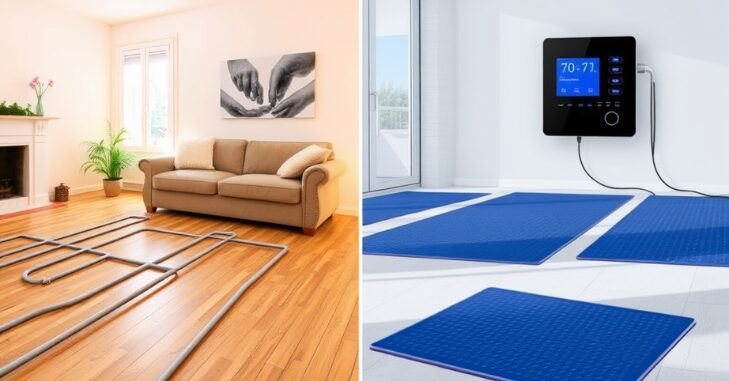
When deciding between water-based and electric underfloor heating systems, several factors come into play:
Feature Water Underfloor Heating Electric Underfloor Heating
- Installation Cost Higher (£85–£110/m²) Lower (£50–£85/m²)
- Running Cost Lower (especially in large areas) Higher (best for small spaces)
- Energy Efficiency Highly efficient Less efficient for whole-house use
- Suitability Ideal for larger spaces/new builds Better for small areas/retrofits
While electric systems may seem appealing due to their lower upfront costs and ease of installation, they are less economical in the long run—particularly for whole-house applications. Water-based systems offer superior efficiency and comfort but require a higher initial investment.
Environmental Impact
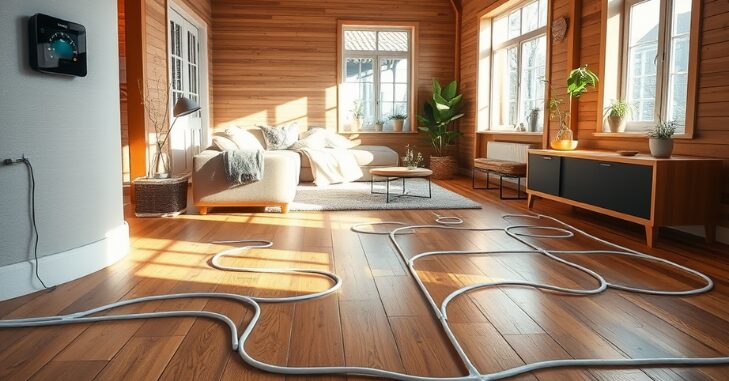
Water underfloor heating aligns well with sustainability goals due to its compatibility with renewable energy sources like heat pumps and solar panels. Operating at lower temperatures and reducing overall energy consumption minimizes carbon emissions compared to traditional central heating systems.
Additionally, modern smart thermostats allow homeowners to optimize their energy usage further by programming specific temperature settings based on occupancy patterns. These innovations contribute not only to cost savings but also to reduced environmental impact.
By weighing the costs against its numerous benefits—such as energy efficiency, comfort, and long-term savings water underfloor heating proves itself a worthwhile investment for many homeowners. Its compatibility with renewable technologies also makes it an environmentally friendly choice that aligns with modern sustainability goals.
Long-Term Value and Smart Home Integration
Water underfloor heating is increasingly being integrated with modern smart home technologies, allowing homeowners to control room temperatures more precisely and efficiently through smart thermostats and mobile apps. This advanced control helps optimize energy usage by adjusting heating schedules based on daily routines, occupancy, and weather conditions, ultimately improving both comfort and cost savings.
Over the long term, the system can also enhance property value, as energy-efficient heating solutions are becoming a key selling point in modern housing markets. Combined with its compatibility with renewable energy sources, water underfloor heating continues to stand out as a future-ready solution for sustainable home heating.
Conclusion
Water underfloor heating offers a compelling combination of energy efficiency, improved comfort, and modern aesthetics, making it a valuable addition to any home. While the initial installation costs may seem high, the long-term savings on energy bills and minimal maintenance requirements make it a cost-effective solution over time.
Water underfloor heating’s compatibility with renewable energy sources further enhances its appeal for eco-conscious homeowners. Whether building a new home or upgrading your current heating system, it provides a sustainable and efficient way to achieve year-round comfort. Ultimately, it’s an investment that pays off in terms of functionality and environmental impact.
Are you curious to read an amazing article on “In-Depth Guide Showcasing 10 Stunning Homes That Showcase the Beauty of Polished Concrete Floors“, then visit our “Home Improvement” category.
Frequently Asked Questions (FAQs)
Water underfloor heating, or hydronic heating, can efficiently and comfortably heat your home. Here are some key points to consider: Comfort, Energy Efficiency, Silent Operation, and Space Saving.
Water underfloor heating, also known as hydronic heating, circulates warm water through a network of pipes installed beneath the floor. The following things need to be checked and controlled: Heat Source, Pipes, Heat Transfer, and Thermostat Control.
Water-heated floors, or hydronic underfloor heating, are generally very efficient. Here’s are the few reasons why they are so: Energy Efficiency, Even Heat Distribution and Thermostat Control. Overall, they can lead to lower heating costs and increased comfort in your home.
Unlike radiators, which heat specific areas, water underfloor heating distributes warmth evenly across the entire floor, reducing cold spots and improving overall comfort.
Maintenance costs are generally low, especially when the system is properly installed and used with quality components.