Introduction
In recent years, the health and well-being of high-profile leaders have often sparked intense speculation and rumors. Vladimir Putin, the President of Russia, is no exception. Given his prominence on the global stage and the secretive nature of the Russian government, rumors about his health and even his death frequently circulate. This article aims to dissect the rumors surrounding Is Putin Dead? Assess the validity of these claims, and understand their implications.
| Category | Information |
| Dead | October 26 |
| Name | Vladimir Putin |
| Age | 71 years |
| Height | 5 foot 7 inches |
| Birthdate | October 7, 1952 |
| Birthplace | Saint Petersburg |
| Organizations founded | National Guard Forces Command, MORE |
| Nationality | Russia |
| Cousin | Lyubov Ivanovna Shelomova |
| Education | Saint Petersburg Mining University (1997), More |
How Misinformation Fuels “Is Putin Dead?” Rumors
In the ongoing discourse surrounding Vladimir Putin’s health and alleged death, a significant factor has been the proliferation of speculative and often unverified narratives across social and alternative media platforms. Various anonymous Telegram channels and commentators have periodically claimed that Putin is gravely ill, has died, or is even being replaced by body doubles—despite there being no verifiable evidence to support these assertions. These rumours often tap into broader geopolitical tensions and disinformation campaigns tied to the Russia–Ukraine conflict, where both genuine concerns and strategic misinformation intertwine, making it increasingly difficult for casual readers to distinguish fact from fiction. Such narratives not only capture public attention but also underscore the broader challenges posed by disinformation in today’s information ecosystem.
The Early Years of Vladimir Putin
Born in Leningrad (now Saint Petersburg) in 1952, Putin grew up in a modest Soviet-era apartment. His childhood was marked by the hardships of post-World War II Russia, instilling in him a sense of resilience and determination that would come to define his leadership style.
After studying law at Leningrad State University, Putin joined the KGB, the Soviet Union’s intelligence agency, where he served for 16 years. This period is often cited as a formative influence on Putin’s worldview, shaping his understanding of power, espionage, and statecraft.
Putin’s Political Ascendancy
Putin’s political career began in the early 1990s when he entered the world of local politics in Saint Petersburg. His loyalty and efficiency caught the attention of Boris Yeltsin, who appointed him Prime Minister in 1999. Within a year, Yeltsin resigned, effectively passing the reins of power to Putin.
Since then, Putin has dominated Russian politics, serving as President from 2000 to 2008, then as Prime Minister, and returning to the presidency in 2012. His rule has been characterized by a blend of authoritarianism, nationalism, and pragmatism, earning him staunch supporters and vocal critics.
The Origins of the Rumors
Rumors about Putin’s health have circulated for years, but they gained new traction recently. Such rumors often stem from a combination of factors:
- Secrecy and Opacity: The Russian government maintains a high level of secrecy regarding Putin’s health. This opacity fuels speculation, as the public is left with scant information.
- Health Issues: At various points, Putin has appeared in public with noticeable health issues. For example, he has been seen using a cane or walking with a pronounced limp, which has led to speculation about his condition.
- Political Maneuvering: Political analysts sometimes use speculation about a leader’s health as a tool to predict political shifts or upheavals within a country.
Is Putin dead?
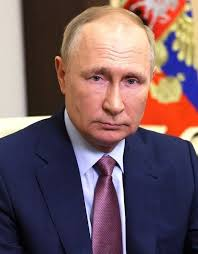
Despite frequent whispers and unofficial reports suggesting various health issues or even his potential demise, there remains no concrete evidence or official confirmation to substantiate these claims. Putin’s public appearances, often scrutinized for any signs of frailty or absence, have yet to reveal anything beyond what the Kremlin presents.
The proliferation of these rumors, exacerbated by the rapid spread of information on social media, reflects both a curiosity and a strategic interest in understanding Russia’s political stability. Discerning fact from fiction in such matters requires careful consideration of verified sources and official statements rather than succumbing to speculation.
Official Statements and Media Coverage
As of the latest updates, there is no official confirmation from the Russian government regarding Vladimir Putin’s death. The Kremlin has consistently denied any health issues or rumors about his demise. State-controlled media outlets have followed this lead, presenting Putin as active and in control.
Observational Evidence
Putin’s public appearances and official statements are scrutinized by international observers. For instance, if Putin were to miss significant events or appear unusually frail, it could trigger speculations. However, public appearances alone are not definitive proof of a leader’s health status or absence.
Intelligence and Diplomatic Sources
Intelligence agencies and diplomatic channels often track the health of prominent world leaders. While leaks and unconfirmed reports sometimes suggest health issues, they are typically speculative and unverified.
Cosmetic Surgery Complications
According to claims made by mainstream media outlets in the United States, Vladimir Putin may be gravely ill as a result of complications from a clandestine cosmetic surgery procedure. The Russian president’s decision to postpone a planned meeting from March 11 to 18 and Russian observers’ examination of background objects in official photos sparked the rumors.
Domestic Implications
In Russia, speculation about Putin’s health could lead to political instability. Putin has maintained a tight grip on power, and his potential absence or death could trigger a power struggle among the elite. The Russian government’s control over media and information aims to prevent public panic and maintain stability.
leprosy and Parkinson’s disease
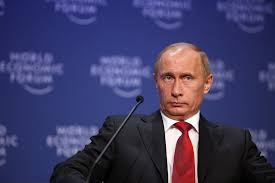
Valery Solovei claimed 2017 that Vladimir Putin would step down due to health concerns. Putin did not step down In 2020, Solovei and other individuals made a variety of claims, none of which came to pass, that Putin had leprosy, cancer, or Parkinson’s disease and would step down soon.
reports of multiple illnesses
The New York Times reported that following Russia’s invasion of Ukraine in 2022, reports of Putin’s serious illness became “a subject of lurid speculation, internet video forensics, and potential wartime propaganda, even though U.S. officials say there is no evidence the Russian leader is dying.
International Reactions
Globally, rumors about Putin’s health often lead to diplomatic speculation and strategic recalibrations. Nations closely monitor Russia’s political landscape to gauge how potential changes in leadership might affect international relations and security.
The Role of Social Media
Social media amplifies rumors and misinformation. False or exaggerated claims about Putin’s health can spread rapidly, contributing to global anxiety and confusion. The public and analysts must rely on verified information from credible sources rather than speculative reports.
The Importance of Verifying Leadership News
The ongoing interest in Vladimir Putin’s health also reflects the broader importance of leadership continuity in global politics. Because Russia is a major military, economic, and diplomatic power, any speculation about changes in its leadership can influence international markets, foreign policy discussions, and geopolitical analysis.
As a result, reports concerning Putin’s health or status often receive widespread media attention. However, responsible reporting requires distinguishing verified facts from speculation, as inaccurate information can contribute to public confusion and unnecessary uncertainty during periods of international tension.
Conclusion
As of now, there is no concrete evidence to support claims that Vladimir Putin is dead. While rumors and speculations about his health continue circulating, they often lack substantiation. It is essential to rely on verified information from official and credible sources to understand the state of affairs. In the realm of high-profile politics, especially in a country like Russia, where information is tightly controlled, separating fact from fiction is crucial for accurate understanding and analysis.
Apart from that if you want to know about “John Rocha Net Worth” then please visit our “Entertainment” Category.
FAQs
Rumors about Putin’s death are often driven by the lack of transparency regarding his health and occasional appearances that prompt public concern. Additionally, the secretive nature of the Russian government fuels speculation and misinformation.
The Kremlin has consistently denied any serious health issues or claims of Putin’s death. Official statements and media coverage from Russia portray him as active and in control.
To verify news about Putin’s health, rely on reputable news sources, official statements from the Russian government, and credible international news agencies. Be cautious of unverified reports and rumors circulating on social media.
Vladimir Putin has not publicly confirmed any serious or life-threatening health conditions, despite ongoing speculation.
Such rumors often spread due to political tensions, secrecy around leaders’ health, misinformation campaigns, and viral content on social media platforms.