
Bread is one of the most popular staples in diets around the world. From sandwiches at lunch to toast at breakfast, it’s a familiar comfort food. Yet not all bread is created equal when it comes to nutrition. Choosing the healthiest bread matters, especially for your weight, heart, digestion, and long‑term health.
This comprehensive guide covers everything you need to know about the healthiest bread options. We’ll explain, backed by science, how different types affect your body and how to choose the best bread for balanced nutrition and overall well‑being.
Key Facts About the Healthiest Bread
| Aspect | Details |
|---|---|
| Definition | Bread made from whole grains with high nutritional value |
| Main Benefit | Supports overall health and well-being |
| Fiber Content | High fiber improves digestion |
| Whole Grains | Retain bran, germ, and endosperm |
| Refined Bread | Low in nutrients and fiber |
| Glycemic Index | Healthy bread has a lower GI |
| Blood Sugar | Helps maintain stable glucose levels |
| Weight Management | Keeps you full for longer |
| Heart Health | Reduces bad cholesterol (LDL) |
| Best Type | Whole wheat bread |
| Another Option | Sourdough bread |
| High-Fiber Choice | Rye bread |
| Nutrient-Rich | Sprouted grain bread |
| Multigrain | Healthy if 100% whole grain |
| Digestion | Supports gut health |
| Energy Levels | Provides steady energy |
| Vitamins | Rich in B vitamins |
| Minerals | Contains iron and magnesium |
| Antioxidants | Help reduce inflammation |
| Label Check | Look for “100% whole grain.” |
| Sugar Content | Should be low |
| Protein | Helps increase satiety |
| Sodium | Choose low-sodium options |
| Daily Intake | 1–2 slices per meal |
| Healthy Pairing | Combine with protein, healthy fats, and vegetables |
What Makes Bread “Healthy”?
When we talk about healthy bread, we don’t just mean low calories. Truly healthy bread delivers:
- High fiber: for better digestion and stable blood sugar
- Whole grains: minimally processed grains with intact nutrients
- Low added sugar: to prevent blood sugar spikes
- Good source of protein and micronutrients, like iron, B vitamins, and magnesium
- Lower glycemic index: slows digestion and keeps you full longer
Whole Grain vs. Refined Bread

Whole-grain bread contains all parts of the grain kernel: bran, germ, and endosperm. This keeps the fiber and nutrients intact. Refined bread loses fiber and essential nutrients during processing, which can spike blood sugar and lead to cravings and weight gain over time.
Science says: Eating whole grains instead of refined grains is linked to a lower risk of heart disease, diabetes, and obesity. A 2020 review found that whole-grain consumption can reduce inflammation and improve heart health. (Source: Nutrients Journal)
Top Healthiest Bread Options

Here are the healthiest breads you can choose today:
1. Whole Wheat Bread
- Made from whole wheat flour
- Rich in FiberFiber and micronutrients
- Helps with digestion and fullness
Best for: Everyday sandwiches and toast.
2. 100% Whole Grain Bread
- Made from a mix of whole grains (wheat, oats, barley)
- Higher fiber than regular whole wheat bread
- Slower digestion improves blood sugar control
Best for: People looking to manage weight and energy levels.
3. Sourdough Bread
- Fermented using natural yeast
- Lower glycemic index than white bread
- Easier to digest for some people
Why it’s healthy: Fermentation can increase nutrient availability and reduce phytates, which block mineral absorption.
4. Rye Bread
- Dark, dense bread rich in fiber
- Contains lignans and antioxidants
- Supports heart health
Good choice: If you want a hearty bread that keeps you full.
5. Multigrain Bread (100% Whole Grain)
- Contains several types of whole grains
- Provides a broad range of nutrients
Tip: Always check that it’s 100% whole grain; many multigrain breads are still refined.
6. Sprouted Grain Bread
- Made from grain kernels that have sprouted
- Easier for the body to digest
- High in protein and fiber
- Examples: Ezekiel bread and other sprouted-grain breads.
Why Healthy Bread Matters for Your Weight?
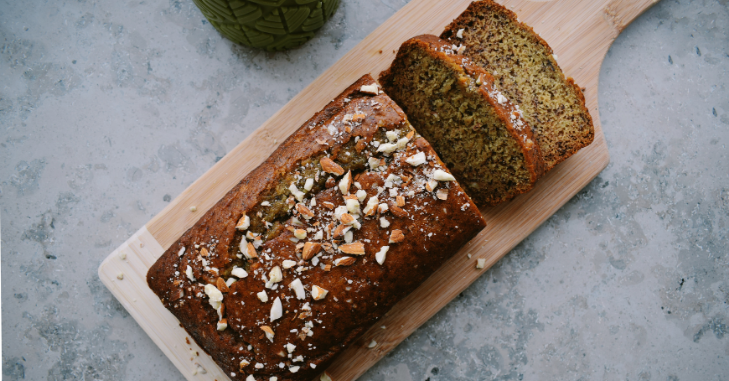
Weight loss and maintenance aren’t just about calories; they’re about how food affects hunger, hormones, and blood sugar.
High fiber = Full Longer
Fiber slows digestion and helps keep hunger under control. Compared to low‑fiber white bread, whole-grain bread keeps you satisfied longer, reducing overall calorie intake.
Blood Sugar Control
Bread with a high glycemic index (GI) spikes blood sugar rapidly, leading to a crash and hunger soon after. Healthy breads like sourdough and whole grains have a lower GI, helping keep your blood glucose stable.
Research confirms that lower-GI diets are linked to reduced fat gain and improved weight control. (Source: Diabetes Care Journal)
Fewer Cravings
When blood sugar is stable, you’re less likely to crave sugary snacks, a bonus for weight management.
Heart Health and Bread: What You Should Know
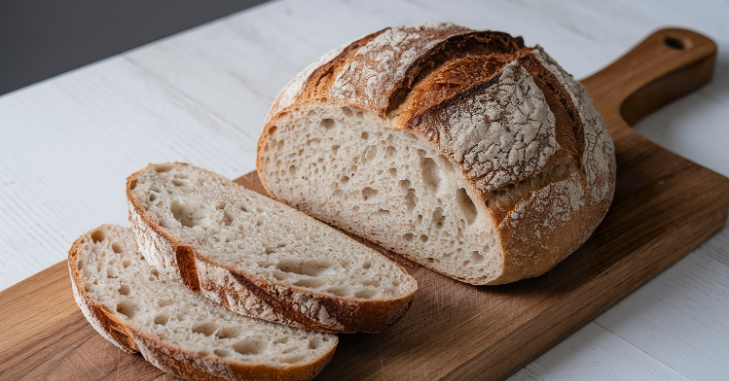
Heart disease remains a leading cause of death worldwide. Your diet plays a big role in prevention.
Fiber and Cholesterol
Soluble Fiber, found in whole grains like oats and rye, can lower LDL (“bad”) cholesterol by binding bile acids and removing them from the body.
Evidence: Studies show that whole grain intake is associated with a significant reduction in heart disease risk. (Source: American Journal of Clinical Nutrition)
Healthy Fats and Sodium
Some breads contain added fats and high sodium. When choosing bread:
- Pick breads with no trans fats
- Avoid high sodium (>200mg per slice)
Lower sodium and better fats support healthy blood pressure and heart function.
Bread and Overall, well‑being
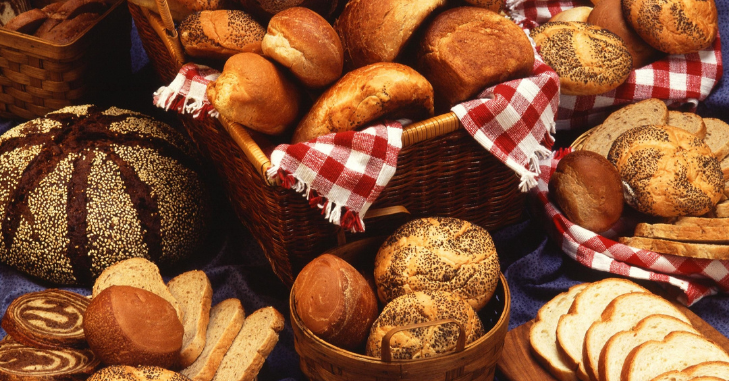
Better Digestion
Whole-grain and high‑fiber breads feed healthy gut bacteria, improving digestion and nutrient absorption.
Sustained Energy
Unlike high‑sugar, refined bread, healthy bread provides slow‑burning carbohydrates. This translates to steady energy and less fatigue.
Vitamins & Minerals
Whole grains supply B vitamins (important for energy and metabolism), magnesium (muscle and nerve function), and antioxidants that combat oxidative stress.
Reduced Inflammation
Whole grains contain phytonutrients and antioxidants that help block inflammation, a root cause of many chronic diseases.
How to Choose Healthy Bread at the Store?
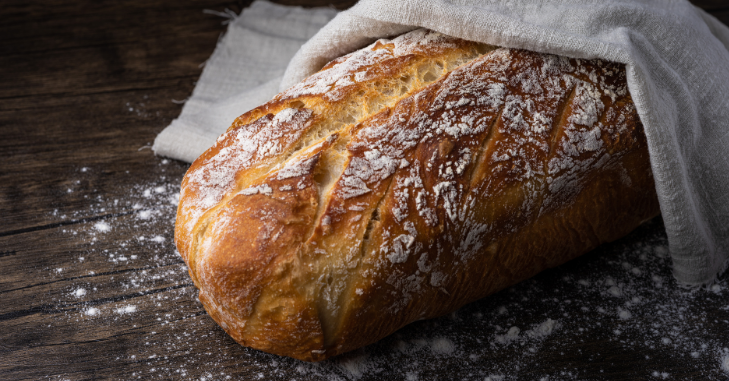
The supermarket aisle can be confusing, so here’s a smart checklist:
1. Read the Ingredient List
- The first ingredient should be whole wheat or whole grain flour
- Avoid “enriched flour” or names like bleached flour
2. Look for High Fiber
- Aim for at least 3–5 grams of fiber per slice
3. Lower Sugar
- Bread should have ≤ 3 g added sugar per slice
4. Protein Count
- Higher protein helps with satiety (aim for > 4g per slice)
5. Minimal Ingredients
Simple is better: fewer additives and preservatives.
Healthy Bread Tips for Daily Life

You can make bread even healthier with smart habits:
Pair With Protein
Add eggs, lean meats, or plant protein to prevent blood sugar spikes.
Add Healthy Fats
Avocado, nut butter, or olive oil enhances nutrition and fullness.
Portion Control
One or two slices per meal is enough to pair with veggies or protein.
Homemade Bread Is Best
If possible, bake your own with whole grains and less sugar/sodium.
Quick Healthy Bread Comparison Table
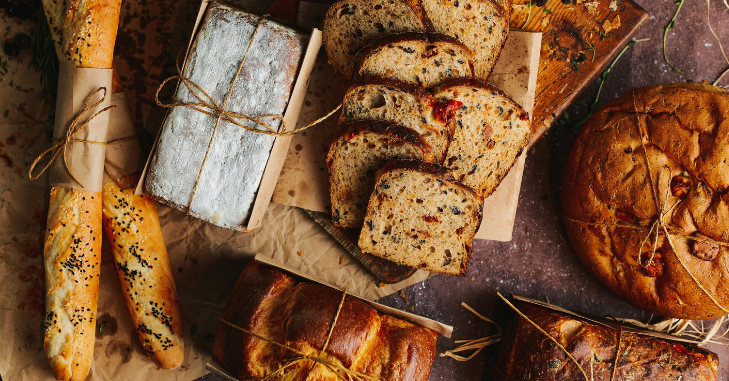
| Bread Type | Fiber | Heart Health | Best for Weight | Taste | Digestibility |
| Whole Wheat | 🟢🟢 | 🟢🟢 | 🟢 | Mild | 🟢 |
| Sourdough | 🟢 | 🟢🟢 | 🟢 | Tangy | 🟢🟢 |
| Rye | 🟢🟢🟢 | 🟢🟢 | 🟢🟢 | Strong | 🟢 |
| Sprouted Grain | 🟢🟢🟢 | 🟢🟢🟢 | 🟢🟢 | Earthy | 🟢🟢 |
| Refined White | ⚪ | ⚪ | ⚪⚪ | Light | ⚪ |
🟢 Strong benefit ⚪ Low benefit
Final Thoughts
Bread doesn’t need to be the enemy of health. When you choose the right kind, rich in fiber, whole grains, and minimal additives, it becomes a powerful ally for:
- Weight control
- Heart health
- Stable energy
- Better digestion
- Long‑term well‑being
Remember, healthy eating is not about elimination; it’s about smart, informed choices. The next time you shop, let nutrition guide your bread selection.
Want to know about Dual Air Fryer: Ultimate Guide to Cooking Faster, Healthier, and Smarter with Two Compartments, Multiple Cooking Modes, and Easy Cleanup for Busy Kitchens Check out our Food category.
Frequently Asked Questions (FAQs)
For people with diabetes, breads with a low glycemic index, such as sourdough, whole wheat, rye, or sprouted-grain bread, are best. These types of bread break down gradually in the body, allowing glucose to enter the bloodstream more slowly and helping maintain more stable blood sugar levels.
Yes, but only if it is made from whole grains or nutrient-rich flours like quinoa, buckwheat, or brown rice. Many gluten-free breads are highly processed and low in fiber, so always check the ingredients.
Absolutely. Whole wheat bread retains the bran and germ, providing fiber, vitamins, and minerals that white bread loses during refining. This makes it better for digestion, blood sugar control, and heart health.
You can enjoy 1–2 slices per meal, especially if it’s whole-grain or sprouted bread. Combine it with protein sources, nutritious fats, and fresh vegetables to create a well-balanced and satisfying meal.