
Introduction
Improving your home’s energy efficiency and comfort and reducing your utility bills is a big win. That’s where external wall insulation (EWI) comes in as a game-changer. But before jumping in, you might be wondering, “How much does it actually cost?” In this article, we’ll break down what goes into EWI costs, its benefits, and why it’s an investment worth considering.
| Category | Details |
|---|
| Average Cost | £80 to £160 per square meter |
| Cost for a 3-Bedroom Semi-Detached Home | £8,000 to £16,000 |
| Insulation Materials | – Expanded Polystyrene (EPS): £50-£75 per square meter – Mineral Wool: £90-£120 per square meter – Phenolic Foam: £120-£160 per square meter |
| Finish Types | – Acrylic or silicone renders (cost-effective) – Decorative cladding or brick slips (higher cost) |
| Labor Costs | 30-50% of the total cost |
| Factors Affecting Costs | – Size of property – Material chosen – Labor expenses – Location (urban vs. rural) – Scaffolding for multi-story homes – Pre-installation preparation |
| Grants and Subsidies | Programs like the Energy Company Obligation (ECO) in the UK may help offset costs. |
| Energy Savings | Reduces heat loss, lowering energy bills by 25-30% annually. |
| Lifespan | 30-50 years with proper care and maintenance. |
| Return on Investment | Recoup costs in 8-10 years through energy savings and increased property value. |
| Installation Time | Typically 3-6 weeks, depending on property size and complexity. |
| Planning Permission | Not usually required, but confirm with your local council. |
| Notable Benefits | – Improved energy efficiency – Noise reduction – Damp prevention – Enhanced home value and aesthetics |
External Wall Insulation
External wall insulation is the process of adding a layer of insulation material to the outer walls of your home, followed by a decorative finish like render or cladding. It’s especially helpful for houses with solid walls, which lose heat much faster than cavity walls. By creating a thermal barrier, EWI not only keeps heat inside during winter but also prevents overheating during summer months.
This type of insulation is often paired with aesthetic improvements, meaning you get the bonus of refreshing your home’s exterior. Whether you opt for a clean render finish or stylish cladding, EWI gives your property a modernized look while providing substantial functional benefits.
Why External Wall Insulation Matters for Energy Efficiency
External wall insulation (EWI) plays a crucial role in improving a building’s thermal performance by adding an insulating layer to the outside of walls, which significantly reduces heat loss and helps maintain a comfortable indoor temperature. This method is particularly effective for homes with solid walls, where traditional cavity wall insulation isn’t an option, and can lead to greater energy efficiency by minimizing the need for heating and cooling. In addition to thermal benefits, EWI also protects the building structure from weather damage and can enhance the aesthetic appearance of the exterior with a smooth, updated finish. By addressing both energy savings and long-term maintenance, external wall insulation is a practical investment for homeowners looking to improve comfort and reduce energy bills.
How Much Does External Wall Insulation Cost?
The cost of EWI can vary quite a bit depending on several factors. On average, you’re looking at spending £80 to £160 per square meter. For a standard three-bedroom semi-detached home, that means a total cost ranging from £8,000 to £16,000. While this might seem like a significant investment upfront, the long-term savings and benefits often make it worthwhile.
Factors That Affect the Cost
- Size of the Property: Larger homes need more materials and labor, which naturally increases the overall cost. Detached houses, in particular, will generally be more expensive to insulate compared to terraced or semi-detached properties due to their larger surface area. Different materials come with different price tags. For instance:
- Expanded Polystyrene (EPS): Lightweight and affordable at £50-£75 per square meter. It’s a popular choice for budget-conscious homeowners.
- Mineral Wool: Fire-resistant but pricier at £90-£120 per square meter. It also offers excellent soundproofing properties.
- Phenolic Foam: Highly efficient but the most expensive at £120-£160 per square meter, ideal for homes in colder climates or with high energy needs.
- Finish Type: Acrylic or silicone renders are cost-effective, while decorative cladding or brick slips add a touch of elegance but come with a higher price. High-end finishes can make your home stand out but may significantly increase costs.
- Labor Costs: Labor can make up 30-50% of the total cost. If your house is multi-story, scaffolding adds to the expense. Experienced contractors often charge more, but their expertise ensures a smoother, higher-quality installation.
- Location: Urban areas often have higher labor costs compared to rural locations. Additionally, transportation fees for materials might also add to the overall expense in remote areas.
- Preparation Work: Fixing cracks, removing old renderings, or addressing damp issues increases the upfront cost but is essential to ensure the insulation lasts as long as possible.
Can Grants and Subsidies Help?
Yes! Programs like the Energy Company Obligation (ECO) in the UK might help you cover part of the cost. Additionally, schemes like the Green Homes Grant (if available) offer financial incentives to homeowners aiming to improve their property’s energy efficiency. Always check with your local authorities or energy providers to see if you qualify for financial assistance.
These grants often have specific eligibility criteria, such as income thresholds or the type of property you own. Even if you don’t qualify for a full subsidy, partial funding can significantly lower your out-of-pocket expenses.
Benefits of External Wall Insulation
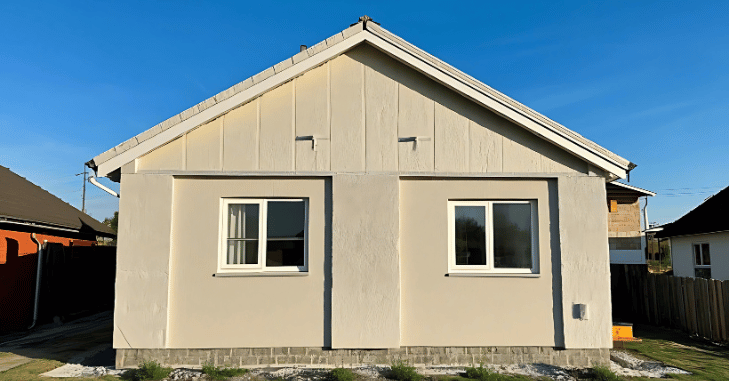
It reduces heat loss, potentially lowering your energy bills by 25-30% every year. Over time, these savings can balance out the initial installation cost. Imagine a warmer home in winter and cooler interiors in summer, all while cutting down on energy consumption. Keeps your indoor temperature stable, making your home cozy year-round. Say goodbye to chilly drafts and overheating during seasonal extremes.
Acts as a sound barrier, creating a quieter living environment. This is especially beneficial if your home is near busy roads or noisy neighborhoods. A well-insulated home with a neat exterior finish can boost your property’s value and curb appeal. Potential buyers often prioritize energy efficiency and attractive exteriors when house hunting.
It Protects against water ingress and reduces the chances of damp-related issues. By keeping moisture out, EWI helps maintain the structural integrity of your walls. Lower energy consumption means reduced carbon emissions, making your home greener and more sustainable.
Is It Worth It?
The upfront costs may seem high, but think of it as a long-term investment. With energy savings and added property value, most homeowners recoup their costs within 8-10 years. Beyond the financial returns, the improved comfort and reduced environmental impact make EWI an appealing option for eco-conscious homeowners.
If you’re planning to stay in your home for the foreseeable future, the benefits of EWI will continue to pay off for decades. Plus, with energy prices rising, the savings on your utility bills will only become more significant over time.
Long-Term Value of External Wall Insulation
External wall insulation (EWI) not only improves thermal efficiency but also contributes significantly to the long-term durability and performance of a property. Creating a protective outer layer helps shield walls from harsh weather conditions such as rain, wind, and temperature fluctuations, reducing the risk of structural damage over time. This added protection can lower maintenance needs and prevent common issues like cracking and dampness, which often lead to costly repairs.
Additionally, EWI enhances overall energy performance standards, which can make homes more attractive in the property market. As energy efficiency becomes increasingly important for homeowners and buyers alike, properties with well-installed insulation systems are likely to hold stronger resale value and meet future building regulations more effectively.
Tips to Save on Costs
Shop around to find competitive pricing from contractors. Compare not just costs but also reviews and experience. Take advantage of government schemes to lower your expenses. Even partial funding can make a big difference. EPS is budget-friendly and effective, offering a great balance between cost and performance.
Pair EWI with other home improvements like roof insulation or solar panels to save on labor costs. Contractors might offer discounts for bundling services. Contractors are often less busy during winter months, which might translate to lower labor costs.
Conclusion
External wall insulation is a fantastic option for homeowners aiming to save on energy bills, enhance home comfort, and protect their property. While the upfront investment might seem hefty, the long-term benefits including energy savings, better aesthetics, and increased home value make it a smart choice. By understanding the costs, benefits, and available financial support, you can confidently decide if EWI is right for you.
Ultimately, investing in EWI is about more than just saving money. It’s about creating a home that’s energy-efficient, environmentally friendly, and comfortable for years to come. Take the time to weigh your options, and you’ll likely find that external wall insulation is well worth the effort and cost.
Apart from that if you want to know about “Tips for a Successful Renovation of Your Commercial Property” then please visit our “Home Improvement” Category.
FAQs
EWI works best for solid-wall homes but might not suit listed buildings or those in conservation areas without special permissions. It’s essential to consult with local authorities to ensure compliance with regulations.
With proper care, EWI can last 30-50 years, offering great long-term value. Regular maintenance, such as cleaning the render or repairing minor cracks, will help extend its lifespan.
Generally, EWI doesn’t require planning permission, but it’s wise to double-check with your local council. If your home is in a conservation area, additional approvals may be necessary.
The main drawbacks are the high upfront costs and the temporary disruption during installation. However, the benefits usually outweigh these challenges. Choosing the right contractor can minimize the inconvenience.
Look for contractors with relevant certifications, good reviews, and experience in EWI installation. Ask for references and visit past projects if possible.