
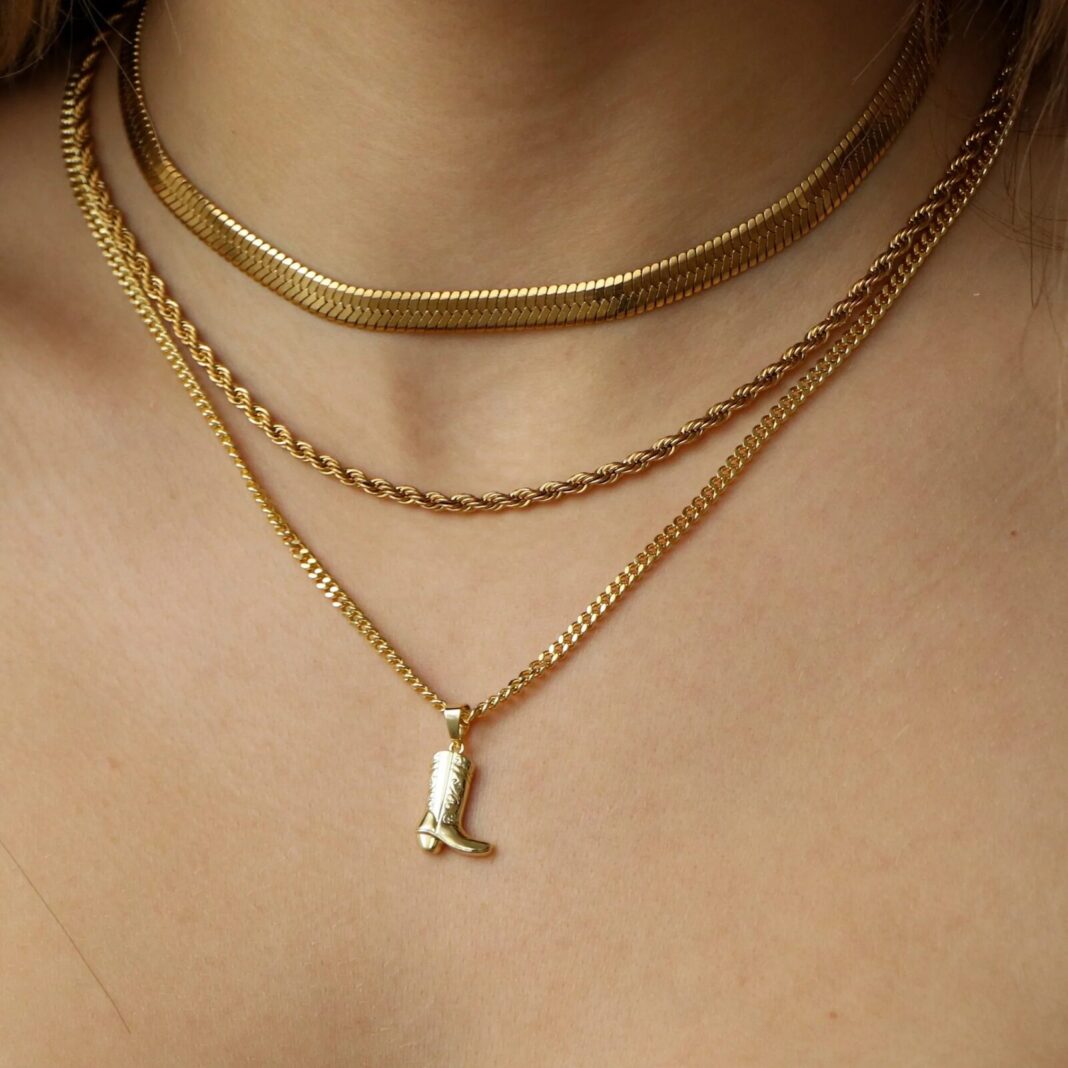
Jewelry is more than just an accessory; it is a timeless symbol of tradition, culture, and personal identity. Every piece of jewelry carries its own story, shaped by history, craftsmanship, and the hands of those who wore it before. In this article, we’ll explore how jewelry represents cultural heritage and the stories behind these fascinating pieces.
The History and Significance of Jewelry
A Universal Tradition
Jewelry has been part of human culture for thousands of years. From the beaded necklaces of ancient civilizations to the intricate goldwork of royalty, jewelry has always served as a form of expression. It tells a lot about who we are, where we come from, and the customs that shape our lives.
The beauty of jewelry lies in its ability to connect people across time and space. Whether it’s a traditional necklace passed down through generations or a modern bracelet that echoes historical styles, jewelry has an incredible way of keeping cultural memories alive.
Jewelry as a Symbol of Cultural Identity
In many cultures, Evry Jewels jewelry symbolizes much more than beauty—it’s an important part of cultural identity. For example, Indian brides often wear elaborate gold sets as part of their wedding rituals, symbolizing prosperity and familial blessings. In contrast, the Maasai people of Kenya use colorful beadwork to represent their age, marital status, and achievements.
Every bead, gemstone, or pattern used in these pieces carries meaning, acting as a visual language that connects individuals to their heritage. It’s like wearing a story on your body—one that speaks volumes without saying a word.
Stories Behind Famous Pieces of Jewelry
The Irish Claddagh Ring
One famous example of cultural jewelry is the Irish Claddagh ring. Featuring two hands holding a heart topped with a crown, the Claddagh ring symbolizes friendship, love, and loyalty. Traditionally, the way a person wears the ring reveals their relationship status: wearing it on the right hand with the heart facing outward means you are single while wearing it on the left hand with the heart facing inward shows you are married.
The Claddagh ring’s story is rooted in Irish folklore, said to have originated in a small fishing village of the same name. Today, it remains a cherished token of Irish heritage, often gifted to family members as a symbol of enduring love.
Native American Turquoise Jewelry
Turquoise has a special place in Native American culture, particularly among the Navajo, Zuni, and Hopi tribes. For Native Americans, turquoise represents protection, healing, and the spirit of the sky and water. These vibrant blue stones are often set in intricate silver pieces, creating striking necklaces, bracelets, and rings.
The craftsmanship of Native American jewelry is remarkable, often involving techniques passed down through generations. Each piece is handmade, with every twist of silver and placement of turquoise representing a connection to the earth and ancestral spirits.
The Italian Cornicello
In Italian culture, the cornicello—a horn-shaped pendant—is believed to protect against the “evil eye” and bring good luck. Typically made of gold, silver, or coral, the cornicello has deep roots in Italian folklore. It’s often worn as an amulet to ward off misfortune, especially for young children and expecting mothers.
The tradition of wearing a cornicello is an enduring reminder of Italy’s rich cultural beliefs and superstitions. Even today, many Italians carry these pendants as a way of keeping a small piece of their heritage close to their hearts.
The Role of Jewelry in Celebrations and Rituals
Weddings and Milestones
Jewelry is central to many cultural celebrations and life milestones. In many Asian cultures, gold jewelry plays an important role during weddings. Brides are adorned with gold as a sign of wealth, good fortune, and blessings for a prosperous marriage. In China, intricate gold bangles and necklaces are gifted to brides, often engraved with symbols of luck and happiness.
Similarly, in African cultures, jewelry plays a vital role in celebrating important milestones. The Maasai people wear elaborate bead necklaces during ceremonies, each color representing different aspects of life—such as red for bravery and white for peace.
Religious Significance
Jewelry also holds a sacred place in religious rituals. For example, in Hinduism, jewelry like the mangalsutra is worn by married women as a sign of their marital status and the bond with their spouse. This piece of jewelry is not only a symbol of commitment but is also believed to bring health and prosperity to the couple.
In Christianity, crosses worn as necklaces serve as a sign of faith and devotion. These pieces are often passed down through generations, carrying both spiritual and familial significance.
The Modern Revival of Cultural Jewelry
Jewelry as a Bridge to Heritage
In today’s world, many people are rediscovering cultural jewelry as a way to connect with their roots. Wearing a piece of traditional jewelry is more than just a fashion statement—it’s a way of honoring one’s heritage and keeping cultural stories alive.
Jewelry designers are increasingly drawing inspiration from traditional motifs and techniques, giving them a modern twist. This revival not only keeps cultural craftsmanship alive but also helps younger generations appreciate and celebrate their heritage in a contemporary way.
The Personal Touch
Jewelry is highly personal, often evoking memories of loved ones or special moments. Whether it’s a simple locket passed down from a grandmother or an intricate bracelet bought during a memorable trip, jewelry has a unique ability to carry personal stories. These personal stories often intertwine with broader cultural narratives, making every piece of jewelry a small but significant part of human history.
Conclusion
Jewelry is so much more than just an accessory—it’s a testament to the rich cultural heritage that shapes our identities. From the symbolism of the Claddagh ring to the vibrant beadwork of the Maasai, each piece carries stories that connect us to our past, our ancestors, and our traditions. By exploring the cultural heritage behind these pieces, we not only appreciate their beauty but also the deep meanings they hold.