
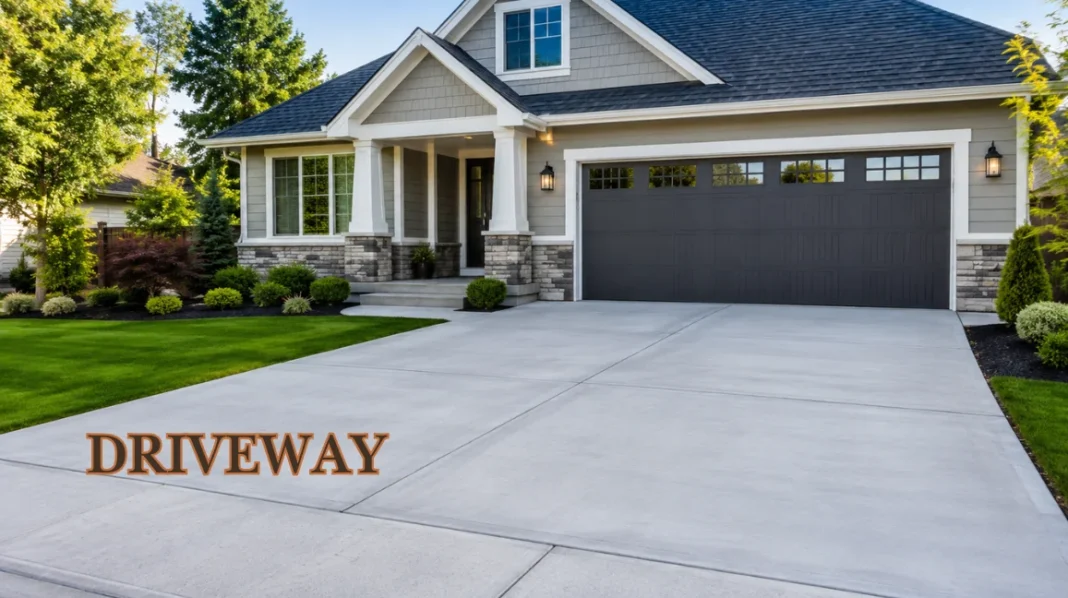
A new driveway in the UK typically costs somewhere around £60 to £120 per square metre installed, with gravel at the cheaper end and resin-bound, block paving and concrete towards the top. The surface you choose matters, but the groundwork, drainage and access arrangements underneath it matter just as much, and they are where most budgets go wrong. This guide compares the main driveway surfaces, explains what drives the price, sets out the planning and dropped kerb rules, and gives you the questions to ask before you hire an installer.
| Key point | What UK homeowners should know |
|---|---|
| Typical installed cost | Roughly £60 to £120 per m² as a starting range |
| Cheapest common option | Gravel |
| Most popular hard surfaces | Tarmac, block paving, concrete and resin-bound aggregate |
| Main planning issue | Drainage when paving over a front garden |
| Often left out of quotes | Excavation, sub-base, edging, drainage and waste removal |
| Separate approval | A new dropped kerb needs council permission |
Driveway types compared: cost, lifespan and maintenance
No single surface suits every home. The figures below are indicative ranges drawn from typical UK trade pricing. Real quotes vary by region, access, site conditions and specification, so use them for budgeting rather than as fixed prices.
| Surface | Indicative installed cost | Typical lifespan | Upkeep | Best for |
|---|---|---|---|---|
| Gravel | £40 to £70/m² | 10 to 20 years | Raking, weeding, topping up | Tighter budgets, rural and traditional homes |
| Tarmac | £45 to £90/m² | 15 to 25 years | Relatively low | Larger, practical parking areas |
| Concrete | £70 to £120/m² | 25 to 40 years | Low to moderate | Simple, very durable finishes |
| Block paving | £70 to £130/m² | 20 to 40+ years | Joint care, occasional re-sanding | Decorative or period properties |
| Resin-bound | £60 to £120/m² | 15 to 25 years | Periodic cleaning | Smooth, contemporary looks |
Gravel
Gravel is usually the cheapest option and is naturally permeable, which simplifies planning. It suits cottages, farmhouses and informal gardens, and the crunch underfoot is a small security bonus. The downsides are stones migrating onto paths and pavements, weeds, ruts where cars turn, and difficulty for pushchairs, wheelchairs and wheelie bins. A firm sub-base, a weed membrane, solid edging and a plastic gravel grid stabiliser all help keep it tidy.
Tarmac
Tarmac (more precisely asphalt or bitmac) gives a hard-wearing, practical finish that is economical over large areas. It can soften slightly in very hot weather and is vulnerable to oil and fuel spills. Standard tarmac is impermeable, so the design must include drainage, such as falls to a soakaway, a border or a channel drain. Repairs are possible but patches often remain visible. Red or coloured tarmac and contrasting block edging can lift its appearance.
Block paving
Block paving offers the most design freedom: colours, borders and laying patterns such as herringbone, which is also the strongest pattern for vehicle traffic. Damaged blocks can be lifted and replaced individually, and utility access is easier than with a continuous surface. Standard blocks need jointing sand topped up and occasional weed treatment. Permeable block paving, with wider joints and an open-graded sub-base, is available where drainage is a priority.
Resin-bound aggregate
Resin-bound systems mix aggregate with resin before trowelling it into a smooth, seamless surface with no loose stones. When laid on a suitable permeable base, water can pass through. Do not confuse it with resin-bonded, where stones are scattered onto a resin-coated surface, which is not permeable and has more loose stones. Ask exactly what base will go underneath: laying resin over old impermeable tarmac or concrete does not create a permeable driveway, and a poor base can lead to cracking. Choose a UV-stable resin to limit discolouration.
Concrete
Concrete is solid, long-lasting and low maintenance. Pattern-imprinted concrete can mimic stone or setts, although repairs are hard to match. It needs properly placed expansion joints to control cracking and, like tarmac, a clear drainage plan because standard concrete is impermeable.
What a new driveway costs
Trade cost guides commonly place many installations in the £60 to £120 per m² range, and whole-project figures can run from around the low thousands for a basic gravel drive to well over £8,000 for a larger resin or block paved project. For a typical two-car driveway of around 40 to 50 m², that suggests a broad budget of a few thousand pounds up to around £6,000 or more before extras. Get written quotes, as prices vary widely.
The visible finish is only part of the bill. Quotes should cover:
- Excavation and removal of the old surface
- Skip hire or waste disposal
- A compacted sub-base of suitable depth
- Drainage channels, soakaways or other water management
- Edge restraints and kerbs
- Steps, retaining walls or level changes
- Restricted access for machinery
- A dropped kerb, if needed, which is normally priced and approved separately through the council
If you plan to get an electric vehicle, this is a good time to run ducting for a future charger cable under the new surface. It costs little during construction and saves digging up a new drive later.
Planning permission and drainage rules
For houses in England, Planning Portal guidance says you normally do not need planning permission for a new or replacement front garden driveway if it uses a permeable (porous) surface such as gravel, permeable block paving or a properly designed resin-bound system, or if rainwater from an impermeable surface is directed to a lawn or border to drain naturally. If you cover more than five square metres of front garden with a traditional impermeable surface that drains onto the road, planning permission is generally required.
Other factors can change the answer: flats and maisonettes do not have the same permitted development rights, and listed buildings, conservation areas and properties with Article 4 directions may face extra controls. Rules in Wales, Scotland and Northern Ireland are broadly similar in aim but not identical, so check with your local planning authority before work starts.
A dropped kerb is a separate consent. If vehicles will cross a public pavement to reach your drive, you normally need permission from the local highway authority, which may insist that its own approved contractor does the work. Driving over a kerb without one can lead to enforcement action. Check your council’s criteria early, since some will refuse a dropped kerb if the parking space is too small or too close to a junction.
Groundwork: the part you cannot afford to ignore
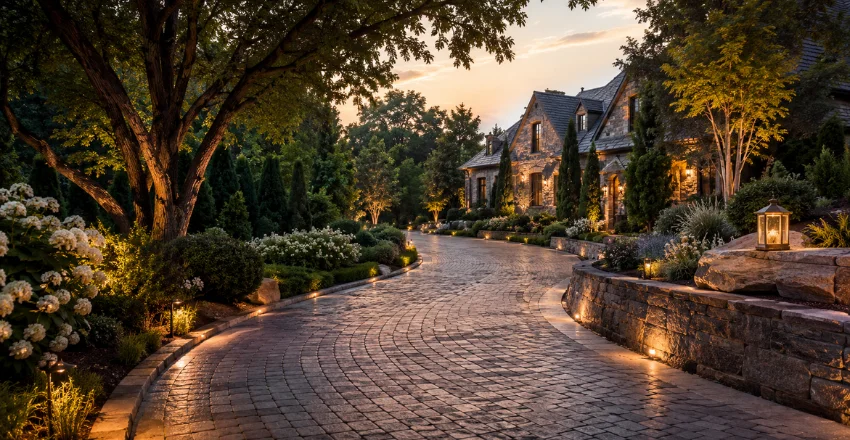
No top surface can make up for a weak base. Poor excavation, inadequate compaction, missing edge restraints or badly planned water flow lead to sinking, rutting, cracking and puddles. Clay soils, tree roots and underground services all need to be considered. Before accepting a quote, ask the installer to explain how deep they will dig, what sub-base material they will use (for example MOT Type 1 for standard builds or an open-graded stone for permeable systems), how it will be compacted, where rainwater will go, how the edges will be held, and whether waste removal is included.
How to choose the right surface for your home
- Lowest upfront cost and easy drainage: gravel.
- Large, practical area on a budget: tarmac.
- Design flexibility and easy repairs: block paving.
- Smooth, modern, permeable finish: resin-bound on a proper base.
- Maximum durability with minimal fuss: concrete.
Then think about the whole frontage. Borders, planting, paths and lighting make the front of a house feel planned rather than paved over, and planting also helps absorb rainwater. Our guide to the role of landscaping in a renovation covers design ideas, how to beautify your yard in seven steps looks at routes and boundaries, and battery-operated wall lights are a simple way to light a new drive without extra wiring. You can find more projects in our Home Improvement section.
Questions to ask before hiring an installer
- What excavation and preparation are included?
- What depth and type of sub-base will you install?
- How will surface water be managed, and is the finished system permeable?
- Are edging, drainage channels and waste removal included in the price?
- How long before we can drive on it?
- What guarantees cover materials and workmanship, and are they insurance-backed?
- Can I see recent jobs and speak to past customers?
Get at least three written quotes based on the same specification. Be wary of doorstep callers offering cheap driveways with leftover materials and asking for cash upfront, which is a well-known rogue trader tactic. Never pay the full amount before the job is finished.
Frequently asked questions
Do I need planning permission for a driveway?
In England, usually not if the front garden surface is permeable or drains to a lawn or border. Covering more than five square metres with an impermeable surface that drains to the road generally needs permission.
What is the cheapest driveway surface?
Gravel is usually the cheapest to install, followed by tarmac. Resin-bound, block paving and concrete generally cost more per square metre.
Which driveway needs the least maintenance?
Concrete, tarmac and well-installed resin-bound surfaces generally need less routine care than loose gravel or standard block paving, though drainage and nearby trees also matter.
Is block paving better than tarmac?
Neither is better for every home. Block paving offers more design choice and easy repairs, while tarmac is simpler and often cheaper for large areas.
Do I need permission for a dropped kerb?
Yes. If vehicles cross a public pavement to reach your drive, you normally need approval from your local highway authority, and it may require its own approved contractor.