
Introduction
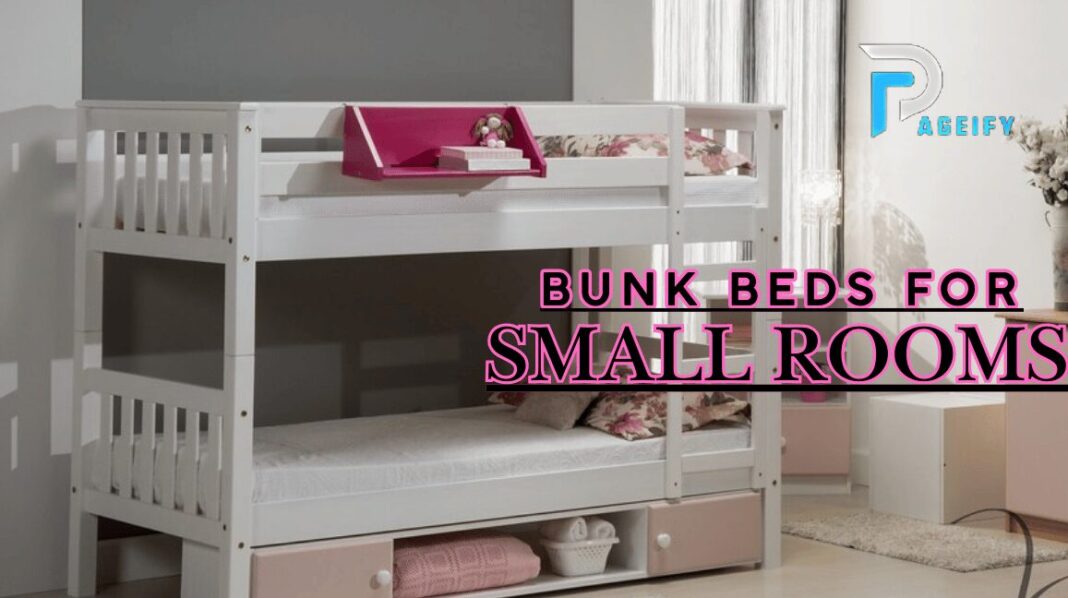
Bunk beds for small rooms offer a clever solution for maximizing space in small rooms while adding functionality and style. Stacking beds frees up valuable floor space, making them ideal for homes with limited room. Not only do they allow for more versatile use of the area—whether for storage, play, or additional furniture—but they also come in various designs, from traditional to modern, to suit any aesthetic.
Bunk beds are also perfect for families with multiple children or hosting sleepovers, providing comfort without cluttering the room. Their space-saving capabilities make them a practical and creative choice for small spaces.
Here’s a table summarizing the key points from the text on “Benefits of Bunk Beds in Small Rooms.”
| Topic | Details |
| Introduction | Bunk beds are a space-saving solution for small rooms, offering functionality and style. They maximize floor space, making the room more versatile and practical, especially for families with multiple children or guests. |
| Maximizes Floor Space | Bunk beds free up valuable floor area by stacking beds, allowing for other uses like storage, play areas, or additional furniture. |
| Versatile Designs | Bunk beds come in wood, metal, modern, and traditional styles. Some models include extra features like desks, shelves, or drawers for added functionality. |
| Great for Siblings or Sleepovers | They offer a practical solution for families, allowing siblings to share a room while maintaining their personal space or providing extra beds for guests without cluttering the room. |
| Encourages Creativity | Bunk beds can spark children’s imagination, making the bedroom playful. They can be used for creative play, such as pretending the bed is a treehouse or fort. |
| Types of Bunk Beds | Includes standard bunk beds, twin-over-full beds, L-shaped bunk beds, loft beds, and triple bunk beds, each offering unique space-saving benefits and functionality. |
| Choosing the Right Bunk Bed | Consider factors like room dimensions, ceiling height, safety features, storage options, and the material and style that best fits the room. |
| Creative Enhancements | Suggestions include adding curtains for privacy, using the space underneath for storage, incorporating fun elements like slides or climbing walls, and utilizing vertical space for shelving and storage. |
Maximizing Space with Smart Bunk Bed Choices
Choosing the right bunk bed for a small room isn’t just about finding a bed that fits; it’s about maximizing every inch of available space while maintaining comfort and style. In compact bedrooms, bunk beds offer a practical solution by combining sleeping areas into a smaller footprint, which opens up more room for storage, play, or study zones. Features like built-in drawers, shelving units, and integrated desks can further enhance the utility of a bunk bed, turning vertical space into functional living areas that meet multiple needs at once. Additionally, selecting designs with safety features such as sturdy guardrails and secure ladders ensures that even the most space-efficient choices remain safe and user-friendly. By prioritizing multifunctional design elements, homeowners can transform small rooms into efficient, organized, and inviting spaces for children and adults alike.
Benefits of Bunk Beds For Small Rooms
1. Maximizes Floor Space
The primary benefit of bunk beds is the ability to maximize floor space. By stacking one bed on top of the other, you free up valuable floor area that can be used for other furniture, play areas, or storage. This is particularly useful in small bedrooms where fitting two or more beds side by side would be impractical.
2. Versatile Designs
Bunk beds come in various designs, making them versatile for various room styles. From traditional wooden bunk beds to modern, sleek metal frames, you can find a design that matches the aesthetic of any room. Some bunk beds even feature built-in desks, shelves, or drawers, adding to their multifunctionality.
3. Great for Siblings or Sleepovers
In a household with multiple children, bunk beds can be a lifesaver. They allow siblings to share a room without compromising on individual bed space. Bunk beds also make sleepovers easier by providing an extra bed without the need for bulky air mattresses or additional furniture.
4. Encourages Creativity
Bunk beds can inspire creativity in children, turning their bedroom into a fun, imaginative space. Whether it’s pretending the top bunk is a treehouse or fort, bunk beds add an element of play to any room.
Types of Bunk Beds
1. Standard Bunk Beds
The classic design consists of two twin beds stacked on each other. These are perfect for children’s rooms or guest rooms. They are simple, functional, and widely available in many styles and materials.
2. Twin Over Full Bunk Beds
For those who need a little more sleeping space, a twin-over-full bunk bed offers a twin bed on the top and a full-size bed on the bottom. This design is great for families where one child is older or for rooms that might double as a guest room.
3. L-Shaped Bunk Beds
L-shaped bunk beds take advantage of corner space by arranging the beds in an “L” formation. This design often comes with built-in shelves or a desk, making it a great solution for maximizing sleeping and study space in small rooms.
4. Loft Beds
Loft beds are a variation of bunk beds where only the top bunk is used for sleeping, while the bottom space is left open for other purposes. This can be a study area, play zone, or storage space, making loft beds ideal for small rooms where maximizing functionality is key.
5. Triple Bunk Beds
For homes with three children or sleepover-friendly setups, triple bunk beds are a space-saving marvel. They can come in various configurations, such as three stacked beds or an L-shaped design.
Choosing the Right Bunk Bed for a Small Room

1. Consider Room Dimensions
Before purchasing a bunk bed, measure the room carefully to ensure it will fit comfortably. You’ll want to consider the height of the ceiling to make sure the top bunk has enough clearance, especially if the room has a low ceiling. Some bunk beds are designed specifically for low-ceiling rooms, with shorter frames to accommodate the space.
2. Safety Features
When choosing a bunk bed, safety should be a top priority. Look for sturdy guardrails on the top bunk, a stable ladder or stairs, and solid construction. Additionally, ensure that the mattress on the top bunk is not too thick, as this could reduce the effectiveness of the guardrails.
3. Storage Options
Consider a bunk bed with built-in storage options if space is tight. Many modern bunk beds come with drawers, shelves, or even built-in wardrobes, allowing you to make the most of every square inch of the room.
4. Material and Style
Choose a material that fits both the room’s decor and your lifestyle. Wooden bunk beds offer a classic, timeless look, while metal frames can lend a more modern, industrial vibe. If the bunk bed is for children, consider playful designs or beds with fun features like slide attachments or themed bed frames.
Creative Ways to Enhance the Space
1. Add Curtains for Privacy
If siblings share the room, consider adding curtains around each bunk to create a sense of privacy. This can be especially helpful for children wanting personal space in a shared bedroom. Curtains also add a cozy, fort-like feel to the bed, making it an inviting place to sleep or read.
2. Use the Area Under the Bed for Storage
If you opt for a loft or bunk bed without a lower bunk, the space underneath can be used for storage. Add bins, drawers, or even a small wardrobe to keep clothes, toys, or other items neatly organized and out of sight.
3. Incorporate Fun Elements
Turn the bunk bed into a room feature by incorporating fun elements like a slide for the bottom bunk or a ladder that doubles as a climbing wall. These playful additions can transform a small room into a magical space in which kids will love spending time.
4. Use Vertical Space
When space is limited, vertical space becomes valuable. Consider adding shelves or hanging storage near the bunk bed to keep books, toys, and decor organized and within easy reach. This saves floor space and adds a decorative element to the room.
5. Opt for Bright Colors and Light Textures
In small rooms, lighter colors and materials can help create the illusion of more space. Choose a bunk bed in a light wood finish or a neutral color like white or grey to keep the room open and airy. You can also add soft, light-colored bedding and curtains to enhance the sense of space.
Long-Term Value and Space Organization
Bunk beds offer more than just an extra sleeping area; they can significantly improve room organization and functionality. By utilizing vertical space, they create additional room for study desks, reading nooks, toy storage, or play areas, helping keep small bedrooms tidy and efficient. Many modern bunk beds feature modular designs with add-on components such as storage drawers, trundle beds, bookshelves, and workstations that can be adapted as children’s needs change over time.
This flexibility makes bunk beds a practical long-term investment for families, as they continue to provide value even as room layouts and household requirements evolve. Their ability to combine sleeping, storage, and activity spaces in one compact footprint makes them an ideal solution for maximizing comfort and usability in smaller rooms.
Conclusion
Bunk Beds for small rooms are a fantastic option for small rooms, offering practicality and style. Whether outfitting a children’s bedroom or maximizing space in a guest room, bunk beds provide a functional solution without sacrificing comfort. With many designs and features, you can find the perfect bunk bed to suit your needs while transforming even the smallest room into a cozy, organized, inviting space.
You can choose the right bunk bed that fits and enhances your space by carefully considering the room dimensions, safety features, and style. With a few creative touches, bunk beds can turn a cramped room into a versatile, multi-functional area that meets all your needs.
If you want to read an interesting article about it, explore our “Home Improvement” category.
FAQs
Bunk beds stack one bed on the other, freeing up valuable floor space that separate beds would take up. This allows for more room for furniture, play areas, or storage in small bedrooms.
Bunk beds with built-in storage options like drawers, shelves, or even attached desks are ideal for small rooms. Loft beds, which leave space beneath the top bunk for storage or a study area, are also great for maximizing room functionality.
Bunk beds are a great solution for siblings of different ages. You can choose a twin-over-full bunk bed, which provides a twin bed on top for a younger child and a full-size bed on the bottom for an older child, offering more space and comfort.
Bunk beds generally require the same floor area as a standard single bed but take advantage of vertical space, making them efficient for small rooms where floor space is limited.
When choosing a bunk bed for a small room, consider room height, mattress size, safety features, built-in storage options, and ease of access to ensure the bed fits well and functions safely.