
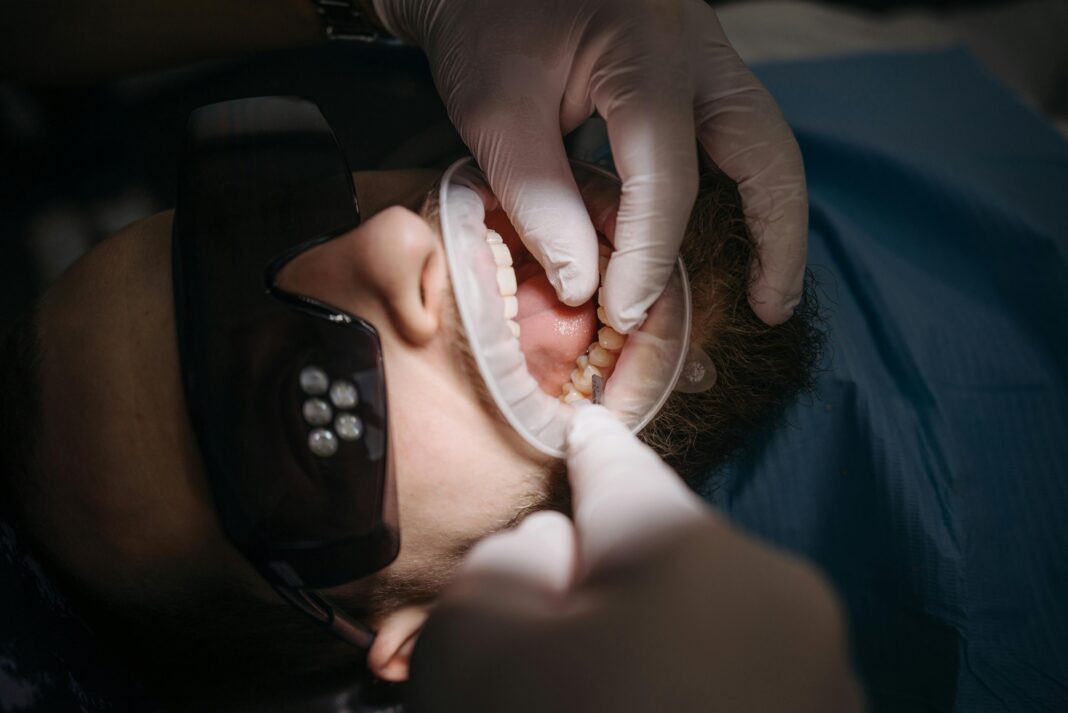
Maintaining excellent oral health is more than just brushing your teeth twice a day. Dentists emphasize a comprehensive approach that includes proper technique, consistent habits, and the right tools to prevent decay, gum disease, and other common issues. Good oral care supports not only a bright smile but also overall wellness, as the mouth is closely connected to systemic health. Whether you’re refining your routine or starting fresh, these six dentist-recommended techniques can help you build a stronger foundation for lifelong dental health.
Brush with Precision and Purpose
Brushing is the cornerstone of oral hygiene, but many people rush through it or use improper technique. Dentists recommend brushing for a full two minutes, twice daily, using a soft-bristled toothbrush and fluoride toothpaste. Gentle circular motions along the gumline are more effective than aggressive scrubbing, which can wear down enamel and irritate gums. Electric toothbrushes with built-in timers and pressure sensors can help ensure consistency and prevent overbrushing. The goal is to remove plaque thoroughly without damaging the delicate tissues that support your teeth.
Don’t Skip the Tongue
The tongue harbors bacteria, food particles, and dead cells that contribute to bad breath and oral imbalance. Cleaning your tongue daily helps reduce odor-causing compounds and supports a healthier mouth overall. You can use a tongue scraper or gently brush your tongue with your toothbrush, focusing on the back where buildup tends to accumulate. This simple addition to your routine takes less than a minute and can make a noticeable difference in breath freshness and microbial balance.
Make Flossing a Non-Negotiable
Cleaning between your teeth is essential for preventing cavities and gum disease. While brushing removes surface debris, it doesn’t reach the tight spaces where bacteria and plaque often hide. That’s why dentists consistently recommend using floss at least once a day. Sliding the floss gently between each tooth and curving it around the gumline helps remove particles and stimulate circulation. If traditional floss is difficult to manage, alternatives like floss picks, water flossers, or interdental brushes can be just as effective. The key is consistency daily interdental cleaning is one of the most impactful habits for long-term oral health.
Use Mouth Rinse Strategically
Mouthwash can be a valuable addition to your oral care routine when used correctly. Antibacterial rinses help reduce plaque and gingivitis, while fluoride-based formulas strengthen enamel and prevent decay. Dentists often recommend alcohol-free options to avoid drying out the mouth, which can exacerbate bad breath and discomfort. Rinsing after brushing and flossing can help reach areas that are difficult to clean manually and leave your mouth feeling refreshed. However, mouthwash should not replace core practices like brushing and flossing.
Maintain a Tooth-Friendly Diet
Nutrition plays a significant role in oral health. A diet high in sugar and acidic foods can erode enamel and feed harmful bacteria, increasing the risk of cavities and inflammation. Dentists advise limiting sugary snacks, sodas, and processed foods, and instead focusing on whole foods rich in vitamins and minerals. Calcium, phosphorus, and vitamin D are especially important for maintaining strong teeth and bones. Crunchy fruits and vegetables like apples, carrots, and celery help clean teeth naturally and stimulate saliva production, which neutralizes acids and supports a balanced oral environment.
Schedule Regular Dental Checkups
Even the most diligent at-home routine needs professional support. Dentists recommend visiting every six months for cleanings and exams, though some individuals may require more frequent visits depending on their oral health status. These appointments allow for early detection of issues like cavities, gum disease, or enamel erosion, and provide thorough cleanings that remove tartar buildup. Preventive care is more effective and less costly than treating advanced problems, making regular checkups a smart investment in your long-term health.
Conclusion
Better oral care begins with informed choices and consistent habits. By brushing with care, cleaning your tongue, using floss daily, incorporating mouth rinse, eating a tooth-friendly diet, and staying on top of dental visits, you can protect your teeth and gums for years to come. These dentist-recommended techniques are simple yet powerful tools for maintaining a healthy mouth and confident smile. With a thoughtful approach and daily commitment, oral wellness becomes a natural part of your overall health routine.
Apart from that, if you want to know more about then visit our Health category.