
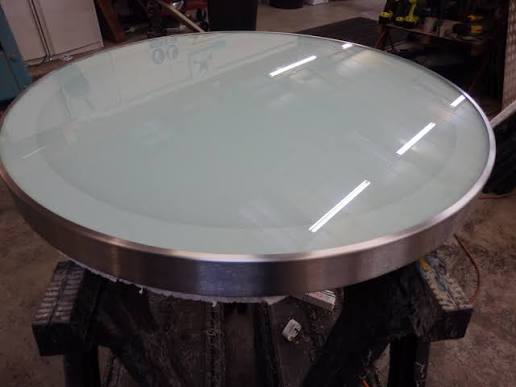
The contemporary interior landscape is currently experiencing a dynamic shift in material appreciation. While previous interior trends leaned heavily on disposable wooden composites and delicate finishes, today’s design philosophy prioritizes functional resilience and clean industrial lines. Modern designers and homeowners are increasingly moving toward industrial metal elements to create bold focal points within both residential and commercial interiors. Among these functional statement pieces, Stainless Steel Tables have taken center stage, bridging the gap between rigorous utility and high-end aesthetic value.
Brands like Alum Project demonstrate how high-grade metal fabrication can elevate everyday functional furniture into sophisticated architectural features. By focusing on precision craft, structural integrity, and contemporary finishing, they provide a tangible link between professional-grade durability and the refined needs of modern spaces. This approach ensures that steel is no longer restricted to clinical environments, but thrives as a central element of modern interior design.
The Material Bridge: Why Steel is Trending in Interiors
The resurgence of raw metal aesthetics is driven by a collective demand for longevity, hygienic performance, and sustainable design. Traditional surface materials often show wear from daily heat, humidity, and active use. Modern designers utilize stainless steel surfaces to combat this vulnerability, offering an enduring framework that ages gracefully without losing structural integrity.
Industrial Utility vs. Mass-Market Furniture
The distinction between custom metallic craftsmanship and mass-market table design lies in the structural depth and material durability of the piece:
1. Surface Integrity. High-grade stainless steel offers superior resistance to heat, staining, and moisture. These non-porous surfaces possess a tactile coolness and hygienic standard that timber veneers or synthetic laminates simply cannot replicate.
2. Precision Craftsmanship. Unlike standard mass-produced tables that rely on basic fasteners and superficial veneers, bespoke steel tables utilize seamless welding, smooth edge beveling, and controlled brushed or polished finishes.
3. Architectural Balance. Every line in a metallic table framework serves both a structural and visual purpose. While mass-produced alternatives use heavy bases for stability, steel enables slim, high-strength silhouettes that maintain an open visual flow in any room.
4. Environmental Lifecycle. Metal furniture is fundamentally sustainable. Crafted from highly recyclable materials and built to withstand decades of intensive use, steel tables bypass the continuous replacement cycle inherent to fast-furniture culture.
Key Elements of Steel Influence in Contemporary Collections
When analyzing recent interior architecture projects, several specific applications of stainless steel stand out as recurring design highlights:
1. Brushed and Satin Finishes. Softened metal textures reduce glare and fingerprint visibility while adding a refined, modern sheen that complements both natural wood and stone textures.
2. Geometric Structural Frameworks. Bold legs and architectural crossbars add clean geometry and subtle industrial contrast to warm, cozy living areas or executive boardrooms.
3. Hybrid Material Pairings. Combining sleek steel frames with stone, glass, or solid wood tops allows designers to play with contrasting temperatures and textures.
Redefining Interior Luxury through Material Mastery
Modern interior luxury is no longer defined merely by elaborate decoration, but by material purity and flawless engineering. Design enthusiasts are increasingly seeking out furnishings built to withstand a lifetime of daily life: Stainless Steel Tables
1. Precision Welding and Seamless Transitions: Impeccable joinery that creates smooth, continuous visual lines across legs and aprons.
2. Hygienic and Easy-Care Surfaces: Materials that support effortless maintenance without requiring chemical sealants or periodic refinishing.
3. Industrial-Grade Tailoring: Borrowing structural techniques from architectural engineering to produce versatile, high-performance table designs.
In today’s commercial and residential developments, material selection is directly linked to asset value, maintenance efficiency, and brand perception. Incorporating stainless steel tables into executive boardrooms, hospitality venues, and modern residential spaces is more than a design statement — it is a strategic decision that prioritizes operational durability and low total cost of ownership over short-lived furniture cycles.
AlumProject serves as a premier manufacturing partner for architects, interior designers, and commercial clients seeking high-grade metal solutions. By engineering custom stainless steel tables built to withstand heavy daily use, thermal stress, and rigorous hygienic standards, AlumProject delivers industrial-grade performance without sacrificing aesthetic sophistication. Backed by precision fabrication, scalability, and bespoke tailoring, AlumProject turns architectural vision into resilient, high-value interior assets that deliver long-term ROI.